Iran's Leadership Divided Over Strait of Hormuz Control Amid US Tensions
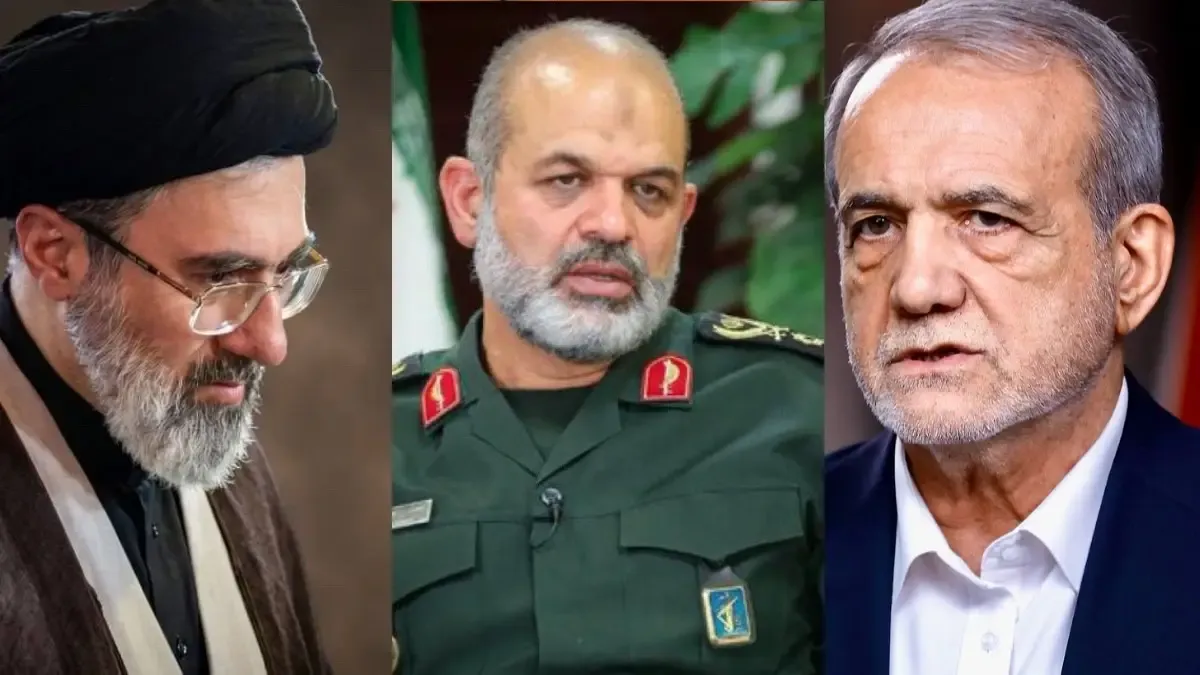
Tensions between Iran and the United States have highlighted a deep divide within Tehran's leadership over control of the Strait of Hormuz, a critical global oil shipping route. The Islamic Revolutionary Guard Corps (IRGC) advocates a hardline approach to assert dominance and deter foreign military actions, while the civilian government led by President Masoud Pezeshkian and Parliament Speaker Mohammad Bagher Ghalibaf favors diplomatic engagement, seeking indirect talks with the US mediated by Oman to de-escalate tensions. The US emphasizes the importance of keeping the strait open for global trade.
First-hand measurement across 2 sources
We measured how 2 outlets covered this story. Coverage leans balanced overall (Left 0%, Centre 100%, Right 0%). Overall sentiment is neutral (40/100). Lens Score 29/100 — low public interest.
Outlets analysed (first-hand measurement by TBN's Bias Engine):
- republicworld— balanced framing, neutral sentiment
- english— balanced framing, neutral sentiment
AI Analysis
The articles present two main perspectives within Iran's leadership: the IRGC's hardline stance and the civilian government's diplomatic approach. Both viewpoints are described with equal weight, citing expert analysis and official positions without favoring either faction. The US position on maintaining open navigation is also included, reflecting international concerns and framing the internal Iranian debate within a broader geopolitical context.
The overall tone is neutral and analytical, focusing on the strategic disagreement within Iran without emotive language. Coverage highlights the seriousness of the standoff and the potential risks but avoids sensationalism. Both hardline and diplomatic approaches are presented factually, with emphasis on the implications for regional stability and global energy security.