Exam Systems in India and China: Stress, Societal Impact, and Institutional Roles
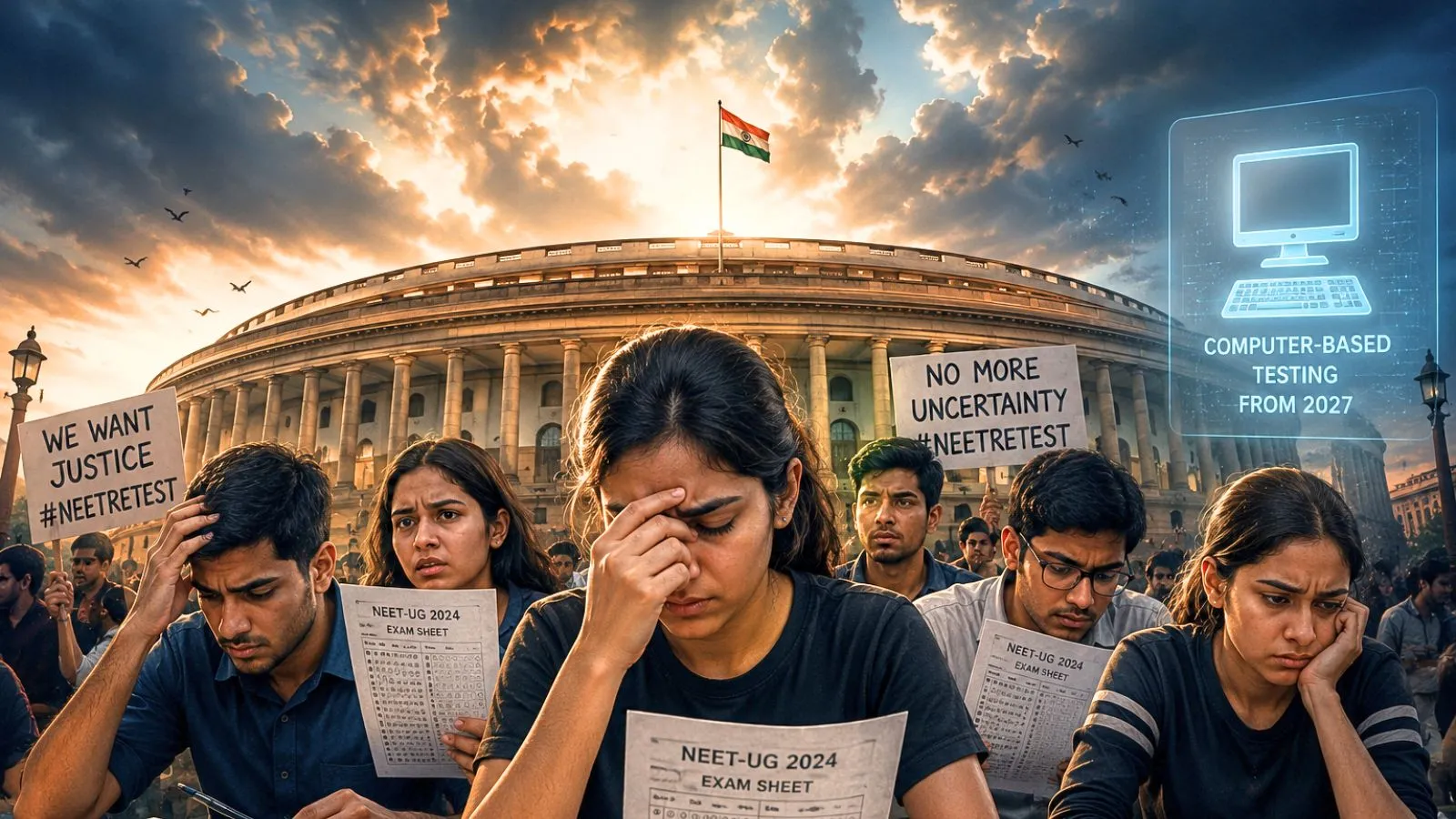
The articles examine high-stakes examination systems in India and China, highlighting their societal impacts. In India, exam stress is intensified by scandals and a system designed to test endurance, with government messaging framing students as 'warriors' facing a challenging environment. In China, the gaokao is portrayed as a meritocratic yet politically driven institution that shapes social order and conformity, raising concerns about its effects on creativity and individual expression within a state-controlled context.
First-hand measurement across 2 sources
We measured how 2 outlets covered this story. Coverage leans balanced overall (Left 40%, Centre 55%, Right 5%). Overall sentiment is neutral (35/100). Lens Score 21/100 — low public interest.
Outlets analysed (first-hand measurement by TBN's Bias Engine):
- swarajyamag— balanced framing, neutral sentiment
- indianexpress— left-leaning framing, negative sentiment
AI Analysis
The articles present perspectives on education systems reflecting different political contexts. The Indian piece critiques government narratives and systemic challenges without partisan alignment, focusing on student experiences and institutional design. The Chinese analysis discusses the gaokao's role within a centralized state framework, highlighting political control aspects. Both sources frame exams as instruments of broader societal and political structures, offering critical but balanced viewpoints.
The overall tone is critical yet measured, acknowledging the pressures and systemic issues in both countries' exam systems. The Indian article conveys empathy for student stress alongside critique of official messaging, while the Chinese article offers an analytical view of the gaokao's societal role, noting both its contributions and limitations. The sentiment is predominantly reflective and concerned rather than overtly negative or positive.