Pakistan's 2026-27 Budget Criticized for Potential Impact on Poverty and Inequality
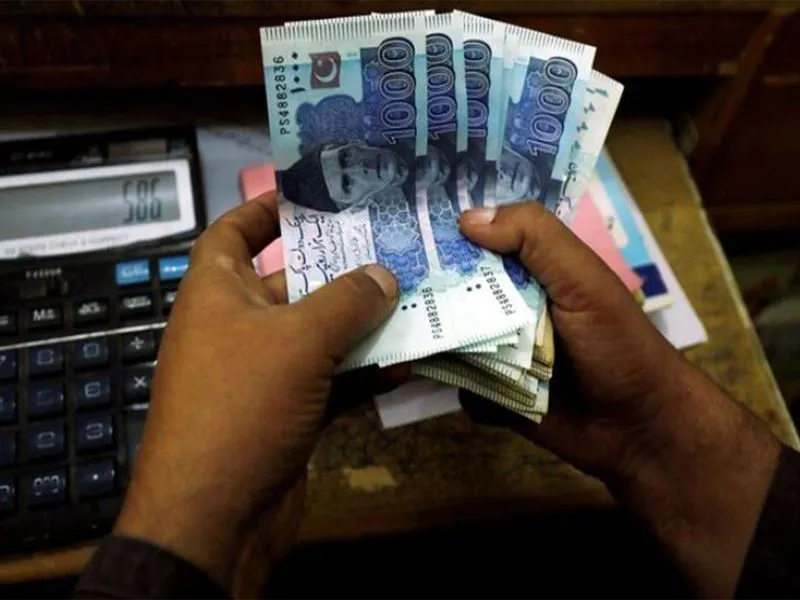
Pakistan's 2026-27 federal budget has faced criticism from civil society, economists, and rights activists for its austerity measures that may deepen poverty and inequality. Experts highlighted reduced spending on education, healthcare, nutrition, and social protection, potentially worsening living standards for vulnerable groups. Concerns were raised about insufficient labour rights enforcement and symbolic gender equality commitments, with social sector responsibilities shifted to fiscally constrained provinces. Increased support for the Benazir Income Support Programme was deemed inadequate to meet basic needs.
First-hand measurement across 2 sources
We measured how 2 outlets covered this story. Coverage leans left-leaning overall (Left 70%, Centre 25%, Right 5%). Overall sentiment is negative (25/100). Lens Score 29/100 — low public interest.
Outlets analysed (first-hand measurement by TBN's Bias Engine):
- news18— left-leaning framing, negative sentiment
- thetribune— left-leaning framing, negative sentiment
AI Analysis
The articles primarily present perspectives from civil society, economists, and rights activists critical of the government's budget, emphasizing concerns about austerity and social impacts. There is limited representation of government viewpoints or defenses, focusing instead on critiques related to economic and social policy implications. The framing centers on the budget's effects on vulnerable populations without partisan commentary.
The overall tone across the articles is critical, highlighting negative consequences of the budget such as increased poverty, inequality, and inadequate social support. While factual and measured, the sentiment reflects concern and disapproval from experts and activists regarding the austerity measures and their social implications.
How 2 sources covered this story
Each source's own headline, political lean, and sentiment — so you can see framing differences at a glance.