Israel Conducts Airstrikes on Hezbollah in Beirut Following Ceasefire Renewal
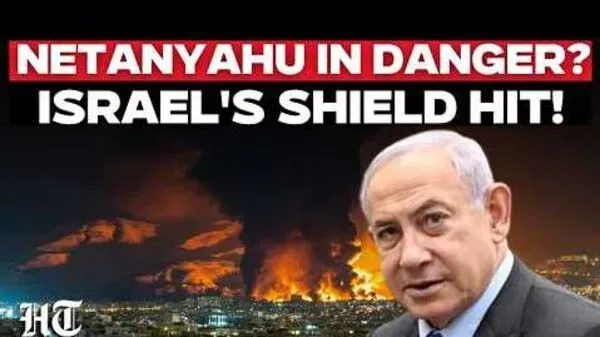
Israel conducted airstrikes on Hezbollah positions in Beirut's southern suburbs, specifically the Dahiyeh area, days after a US-brokered ceasefire with Lebanon took effect. The Israeli government stated the strikes were retaliation for Hezbollah firing toward northern Israel, targeting command centers and militant infrastructure. Lebanese sources reported at least two deaths and multiple injuries. Hezbollah has not claimed responsibility for the attacks on Israel. Iran and Hezbollah have rejected the ceasefire terms, emphasizing broader conflict conditions. Israeli Prime Minister Netanyahu claimed significant militant casualties and ongoing operations near the border.
First-hand measurement across 6 sources
We measured how 6 outlets covered this story. Coverage leans balanced overall (Left 8%, Centre 83%, Right 9%). Overall sentiment is negative (28/100). Lens Score 33/100 — low public interest.
Outlets analysed (first-hand measurement by TBN's Bias Engine):
- news18— balanced framing, negative sentiment
- firstpost— balanced framing, negative sentiment
- thefinancialexpress— balanced framing, negative sentiment
- wion— balanced framing, negative sentiment
- mint— balanced framing, negative sentiment
- timesnow— balanced framing, negative sentiment
AI Analysis
The article group presents perspectives from Israeli officials emphasizing retaliation and military success against Hezbollah, alongside Lebanese and Hezbollah positions rejecting the ceasefire terms. Iranian influence is noted as shaping Hezbollah's stance. Coverage includes official statements and casualty reports without endorsing either side, reflecting the complex regional dynamics and ongoing conflict.
The overall tone is factual with a focus on military actions and their consequences. While Israeli sources highlight operational achievements, Lebanese reports emphasize casualties. The sentiment is mixed, balancing descriptions of violence and diplomatic efforts without overtly positive or negative language toward either party.
How 6 sources covered this story
Each source's own headline, political lean, and sentiment — so you can see framing differences at a glance.