Internal Power Struggle Emerges in Iran Amid Leadership Absence and US Ceasefire Deal
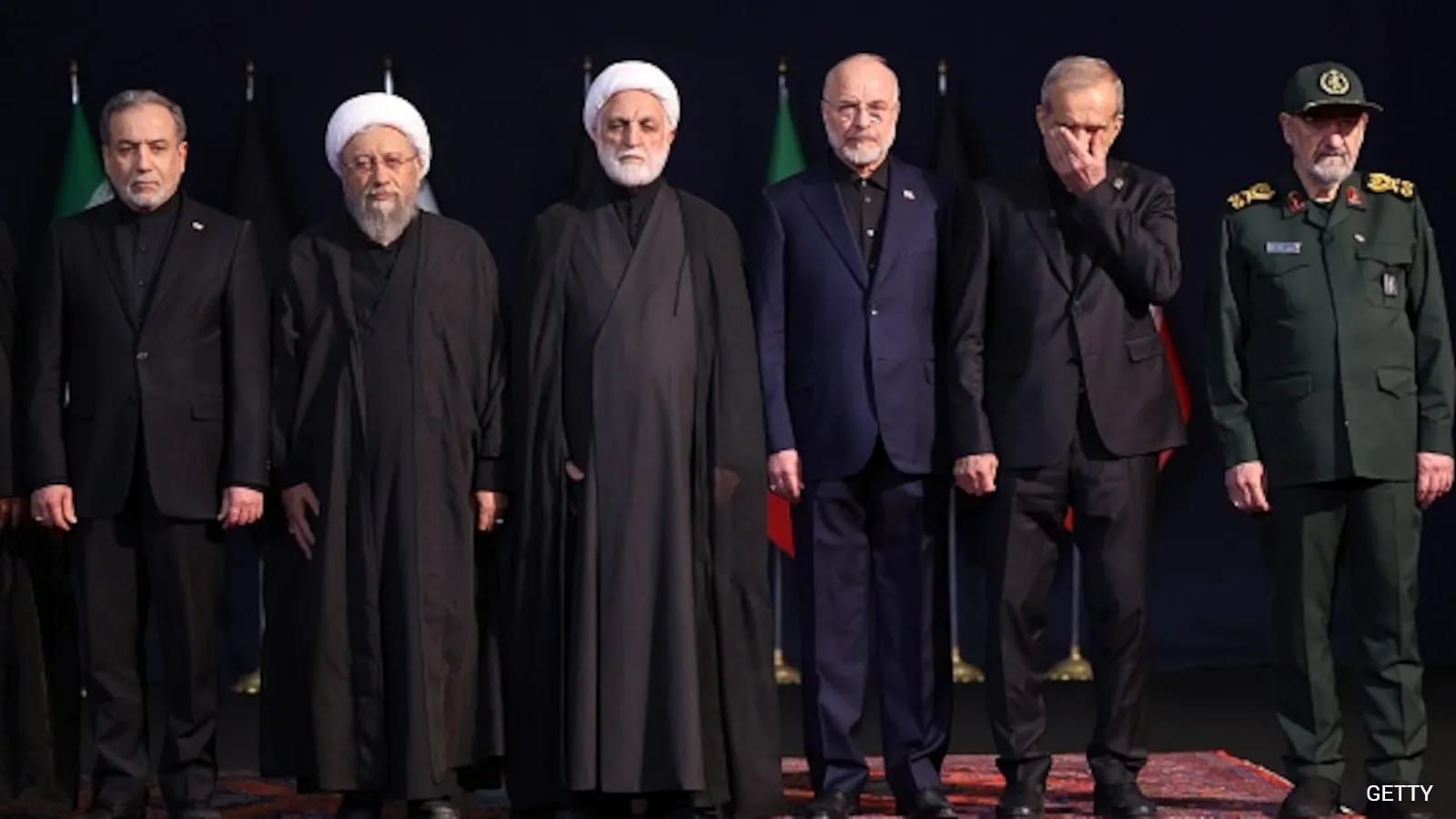
Following the death of Iran's former Supreme Leader Ali Khamenei in joint US-Israeli strikes, a power struggle has emerged within Iran's political establishment. Hardline factions accuse visible leaders, including President Masoud Pezeshkian and Foreign Minister Abbas Araghchi, of orchestrating a 'soft coup' by negotiating a ceasefire with the US, while Supreme Leader Mojtaba Khamenei remains largely absent from public view amid security concerns. The funeral of Ali Khamenei exposed deep divisions, with hardliners protesting against officials they see as compromising revolutionary ideals. Reports also claim Mojtaba Khamenei may not be in Iran, intensifying internal tensions amid ongoing conflict with the US.
First-hand measurement across 2 sources
We measured how 2 outlets covered this story. Coverage leans balanced overall (Left 9%, Centre 85%, Right 6%). Overall sentiment is negative (32/100). Lens Score 31/100 — low public interest.
Outlets analysed (first-hand measurement by TBN's Bias Engine):
- ndtv— balanced framing, neutral sentiment
- economictimes— balanced framing, neutral sentiment
AI Analysis
The article group presents perspectives from Iran's hardline factions accusing the current leadership of betrayal and a 'soft coup,' alongside reports on the absence and limited visibility of Supreme Leader Mojtaba Khamenei. Sources include Iranian officials, opposition lawmakers, and foreign security claims, reflecting a mix of internal political dissent and external intelligence viewpoints. Coverage balances allegations of internal power grabs with contextual information about ongoing US-Iran tensions.
The overall tone across the articles is serious and tense, reflecting concerns about political instability and internal divisions within Iran. While some reports highlight hostility and accusations among factions, the coverage remains factual and restrained, focusing on the unfolding power struggle without sensationalizing. The sentiment is predominantly negative due to the conflict and uncertainty but maintains neutrality by presenting multiple viewpoints.