US Discloses Funding of Over 120 Foreign Biolabs and Review of Gain-of-Function Research
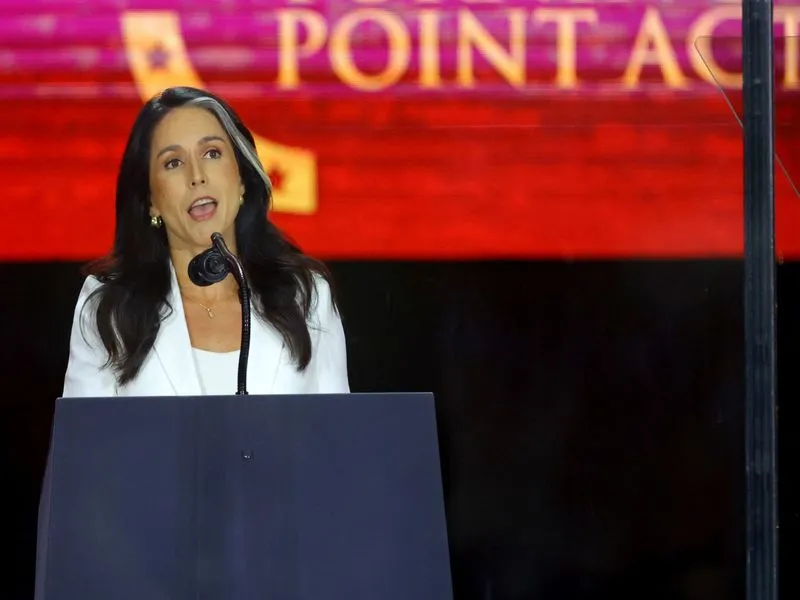
US Director of National Intelligence Tulsi Gabbard revealed that the US government has funded over 120 biological laboratories in more than 30 countries, including Ukraine. Newly declassified documents indicate many labs conducted research on hazardous pathogens and gain-of-function experiments with limited oversight. The Trump administration has initiated efforts to end such research and increase transparency. Gabbard criticized previous administrations and officials for allegedly concealing this information from the public, prompting a fresh intelligence review.
First-hand measurement across 6 sources
We measured how 6 outlets covered this story. Coverage leans balanced overall (Left 30%, Centre 60%, Right 10%). Overall sentiment is negative (31/100). Lens Score 47/100 — moderate-to-low public interest.
Outlets analysed (first-hand measurement by TBN's Bias Engine):
- republicworld— balanced framing, negative sentiment
- firstpost— balanced framing, neutral sentiment
- ndtv— left-leaning framing, negative sentiment
- zeenews— balanced framing, neutral sentiment
- thetribune— balanced framing, neutral sentiment
- wion— left-leaning framing, negative sentiment
AI Analysis
The articles primarily present the perspective of Tulsi Gabbard and the Office of the Director of National Intelligence, focusing on disclosures about US-funded biolabs and policy shifts under the Trump administration. Criticism is directed at previous administrations and health officials for alleged concealment. The coverage reflects a viewpoint emphasizing government accountability and transparency, with limited representation of opposing or supportive views from other stakeholders.
The overall tone across the articles is serious and critical, highlighting concerns about biosecurity risks and lack of oversight in US-funded biolabs. While the revelation is framed as significant and prompting policy action, the sentiment includes criticism of past administrations and officials. The coverage is largely cautionary and investigative, without overtly positive or sensational language.