Skip to content
Get the Balanced News app for a better experience!
The Balanced News Logo
Analytics
The Balanced News Logo

Stay Balanced, Stay Informed

Menu
  • Browse News
  • Underreported Stories
  • Curated Feeds
  • Insights
  • Analytics
  • Our Writers
  • About Us
  • Download App
Learn
  • How It Works
  • Bias Detection
  • Lens Score
  • Source Bias Checker
  • Accountability
  • Custom Feeds
Newsroom
  • Writers & Analysts
  • About TBN
  • Editorial Standards
  • Corrections Policy
  • Our Partners
  • Insights
Socials
  • Youtube
  • Instagram
  • X
  • Facebook
News Categories
  • Trending
  • Politics
  • Sports
  • Business
  • Tech
  • Entertainment
  • Health
  • Science
  • Crime
  • Lifestyle
  • National
  • International
  • Good News
  • Crypto

Get Our App

Available for iOS and Android


LensFeedsInsightsAnalyticsTrendingGood NewsSportsPoliticsBusinessCrimeTechEntertainmentHealthNationalInternational

© 2026 The Balanced News. All rights reserved.

About UsEditorial StandardsCorrectionsHelp & SupportPrivacy PolicyTerms & Conditions
Exploring the Limits of Dissent and Protest in Indian Democracy
Categories

Categories

Related Coverage

Select a news story to see related coverage from other media outlets.

Related Coverage

Select a news story to see related coverage from other media outlets.

  1. Home
  2. /
  3. Politics

Exploring the Limits of Dissent and Protest in Indian Democracy

Analysed 21 Aug 2026·2 sources analysed·India·Politics
Exploring the Limits of Dissent and Protest in Indian DemocracyPreviousNext

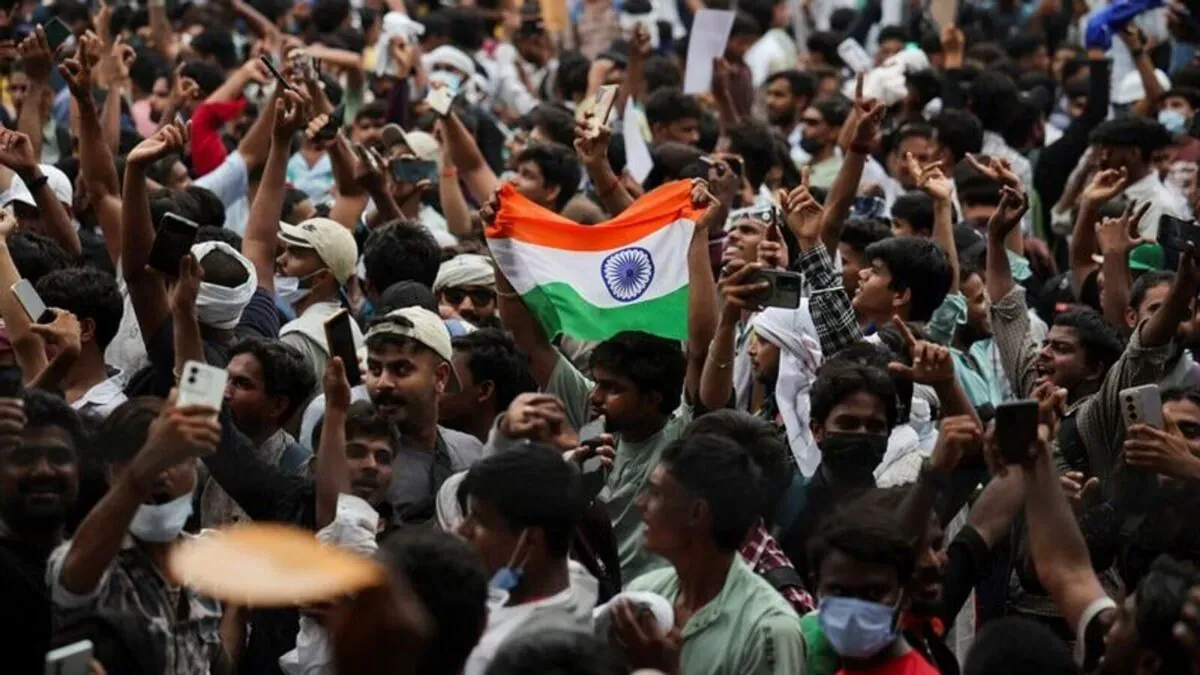
The articles discuss the boundaries between legitimate dissent and disruptive politics in India. One highlights the concept of "Dimagi Naxalism," describing a mindset that seeks conflict beyond armed extremism, emphasizing the need to distinguish criticism from glorifying violence. The other explores protests as a form of dialogue within democracy, noting constitutional safeguards and legal limits on protest actions. Both stress the importance of balancing dissent with respect for democratic institutions and lawful expression.

Sentiment
58%
TBN's observations

First-hand measurement across 2 sources

We measured how 2 outlets covered this story. No outlet gave this story a measurable political slant — there is no left–right reading to report. Overall sentiment is neutral (58/100). Lens Score 33/100.

Outlets measured: news18, thehindu. See how each one headlined and framed the same story in the source comparison below.

AI analysis of 2 sources · Published under editorial oversight by The Balanced News
Analysed 21 Aug 2026· How this analysis is produced· Editorial standards· Corrections

AI Analysis

Sentiment — Neutral (58/100)

Sentiment was consistent across outlets (52–65/100), indicating broadly factual reporting rather than editorialising.

Coverage timeline

thehindu broke this story on 21 Aug, 07:20 am. Other outlets followed.

21 Aug, 07:20 am2 sources · 4 h21 Aug, 11:35 am
  1. 1
AI analysis by the TBN Bias Engine · beat methodology byPrajakta Kale· Political Analyst· editorial standards byOjas Kale
← Previous
Cameroon's President Biya Returns After Extended Absence Amid Health and Succession Concerns
Next →
Rashtrapati Bhavan Withdraws Statement on Bangladesh PM Tarique Rahman’s Visit Rehearsal
thehindu21 Aug, 07:20 am
Can protest be dialogue?
  • 2
    news1821 Aug, 11:35 am
    Opinion Dimagi Naxalism: When Dissent Turns Into A Search For Violence And Disorder
  • Who's involved

    Institutions and figures named across source coverage.

    Government
    Government
    Political
    Rashtriya Swayamsevak SanghIndian National Congress
    Judiciary
    High Court of Madras

    Story context

    Category
    Politics
    Location
    India
    Sources analysed
    2
    Last analysed
    21 Aug 2026
    Key entities
    DemocracyIndiaCivil societyDimagiNaxalite–Maoist insurgencyExtremismInsurgency in Jammu and KashmirCoercionTransparency (behavior)AccountabilityLeft-wing politicsRehabilitation (penology)