Karnataka Minister Seeks RSS Legal and Financial Transparency; RSS Chief Rejects Demand
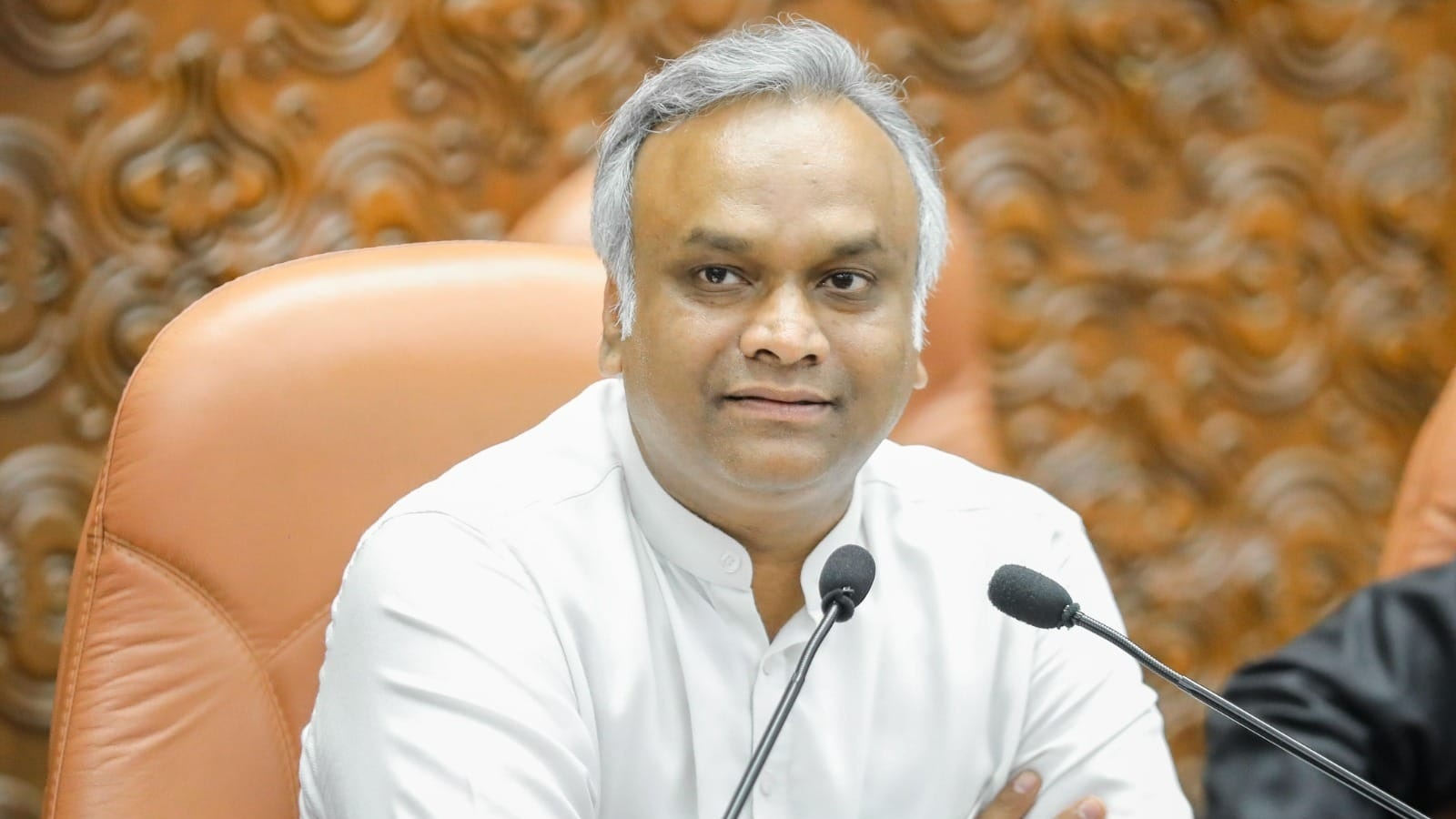
Karnataka Home Minister Priyank Kharge has written to RSS chief Mohan Bhagwat seeking clarity on the organisation's legal status, registration, financial transparency, and tax compliance, citing its extensive presence and activities in Karnataka. Kharge argues that such a large entity must adhere to constitutional and legal norms. Bhagwat responded by dismissing the demand as politically motivated, stating the RSS operates openly, does not receive government funding, and is exempt from registration requirements, noting historical government recognition and past bans.
First-hand measurement across 15 sources
We measured how 15 outlets covered this story. Coverage leans left-leaning overall (Left 61%, Centre 25%, Right 14%). Overall sentiment is neutral (38/100). Lens Score 34/100 — low public interest.
Outlets analysed (first-hand measurement by TBN's Bias Engine):
- zeenews— left-leaning framing, neutral sentiment
- thehindu— left-leaning framing, neutral sentiment
- english— left-leaning framing, neutral sentiment
- timesnow— centre-left framing, neutral sentiment
- ndtv— left-leaning framing, neutral sentiment
- thehindu— left-leaning framing, negative sentiment
- thetribune— right-leaning framing, neutral sentiment
- freepressjournal— left-leaning framing, neutral sentiment
AI Analysis
The article group presents two primary perspectives: the Karnataka Congress minister advocating for legal scrutiny and transparency of the RSS, emphasizing constitutional compliance, and the RSS chief defending the organisation's unregistered status as lawful and politically targeted. Coverage includes official statements from both sides, reflecting a political contest between opposition demands and the RSS's established position, without endorsing either viewpoint.
The overall tone is neutral to contentious, reflecting a political dispute. Kharge's calls for transparency are framed as legitimate concerns about accountability, while Bhagwat's responses characterize these demands as political tactics. The coverage balances critical scrutiny with defensive assertions, resulting in a mixed sentiment that highlights disagreement rather than consensus.