Tamil Nadu Proposes Chief Minister as University Chancellor, Expands VC Selection Panel
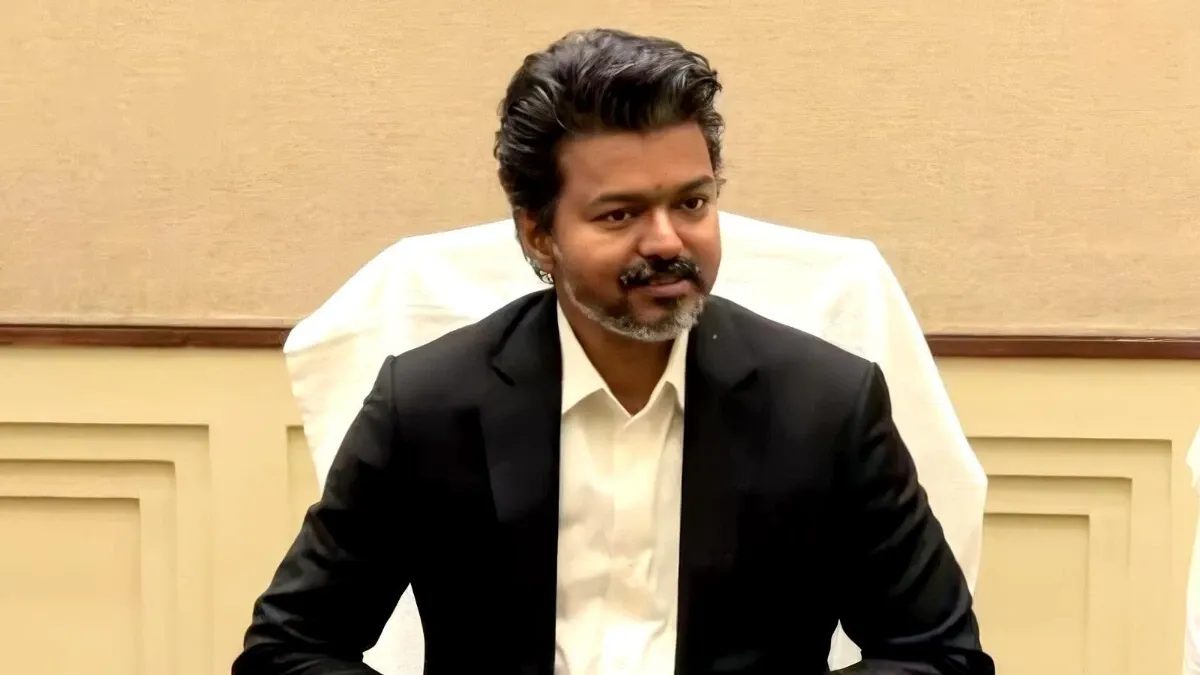
The Tamil Nadu government, led by Chief Minister Vijay and Higher Education Minister P. Viswanathan, has proposed replacing the Governor with the Chief Minister as Chancellor of state universities, reflecting a preference for elected leadership in university governance. The government also plans to expand the Vice-Chancellor selection committee from three to five members, including nominees from the University Grants Commission and the state. Meanwhile, the Madras High Court has sought intervention over delays in Vice-Chancellor appointments, highlighting concerns about vacant leadership affecting university functioning.
First-hand measurement across 7 sources
We measured how 7 outlets covered this story. Coverage leans balanced overall (Left 15%, Centre 76%, Right 9%). Overall sentiment is neutral (50/100). Lens Score 40/100 — moderate-to-low public interest.
Outlets analysed (first-hand measurement by TBN's Bias Engine):
- wion— balanced framing, neutral sentiment
- ndtv— balanced framing, neutral sentiment
- thehindu— balanced framing, neutral sentiment
- indiatoday— balanced framing, neutral sentiment
- theprint— balanced framing, neutral sentiment
- hindustantimes— balanced framing, neutral sentiment
- news18— balanced framing, neutral sentiment
AI Analysis
The articles present perspectives from the Tamil Nadu government advocating for increased elected official control over university governance, emphasizing the Chief Minister's role. They also include judicial concerns about administrative delays in appointing Vice-Chancellors. The coverage reflects government initiatives and legal scrutiny without favoring either side, representing both administrative proposals and judicial oversight.
The overall tone across the articles is neutral to cautiously optimistic, focusing on procedural changes and governance reforms. While the government's proposals are presented as efforts to improve university administration, the judicial intervention underscores ongoing challenges. The coverage avoids emotive language, maintaining a balanced and factual tone regarding the developments.