Union Minister Bittu Criticises Diljit Dosanjh Amid 'Satluj' Film Removal Controversy
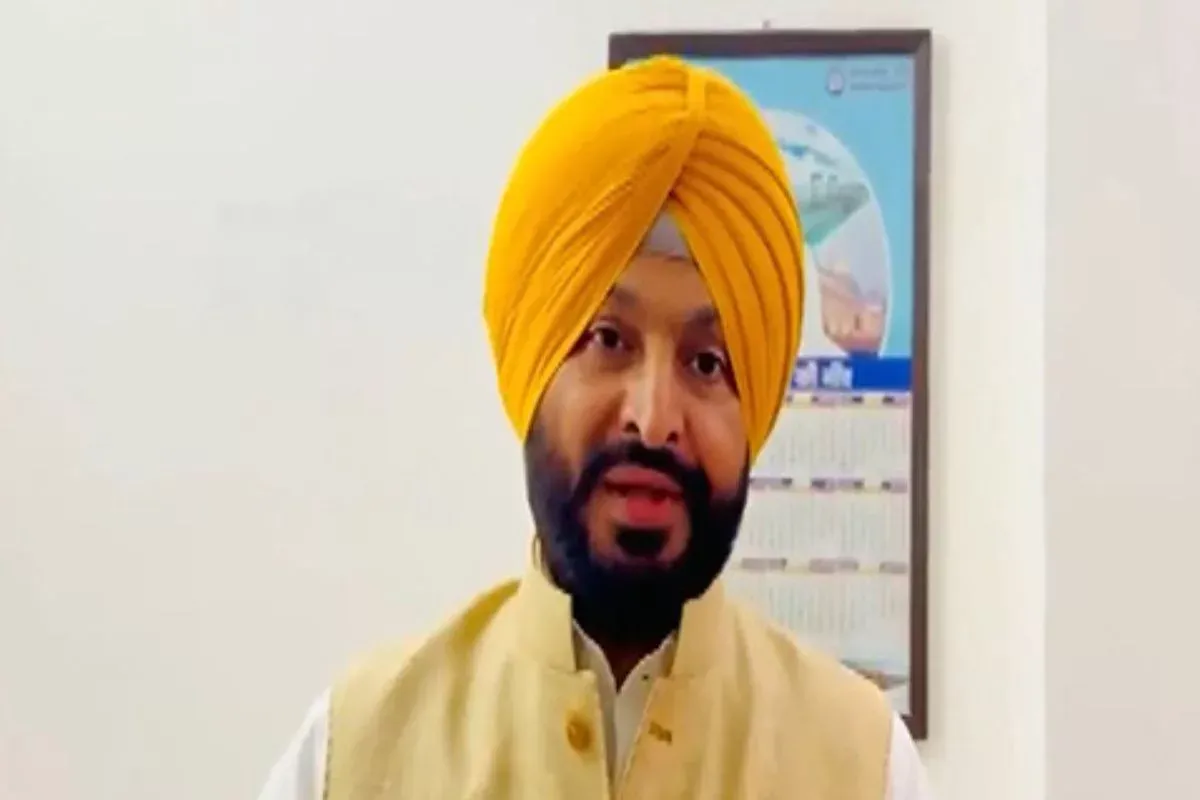
Union Minister Ravneet Singh Bittu has criticised Punjabi actor-singer Diljit Dosanjh over the controversy surrounding the film 'Satluj', which was removed from OTT platform ZEE5 within 48 hours of release. Bittu denied government involvement in the takedown, suggesting the removal was commercially motivated after earnings were made. He accused Dosanjh of exploiting Punjab's sensitive history for profit, questioned the film's one-sided portrayal of militancy, and criticised Dosanjh's film choices and public conduct, while emphasising the need for a balanced narrative on Punjab's past.
First-hand measurement across 11 sources
We measured how 11 outlets covered this story. Coverage leans balanced overall (Left 31%, Centre 49%, Right 20%). Overall sentiment is neutral (38/100). Lens Score 42/100 — moderate-to-low public interest.
Outlets analysed (first-hand measurement by TBN's Bias Engine):
- mint— balanced framing, neutral sentiment
- httpswwwoutlookindiacom— left-leaning framing, negative sentiment
- hindustantimes— balanced framing, neutral sentiment
- indiatoday— balanced framing, neutral sentiment
- news18— balanced framing, neutral sentiment
- thetribune— balanced framing, neutral sentiment
- thestatesman— balanced framing, neutral sentiment
- thetribune— balanced framing, neutral sentiment
AI Analysis
The article group predominantly reflects the perspective of Union Minister Ravneet Singh Bittu, a BJP leader and grandson of former Punjab Chief Minister Beant Singh, who defends his grandfather's legacy and critiques the portrayal of Punjab's militancy years. The sources present Bittu's views extensively, including his political shift from Congress to BJP, while the opposing views, such as those of Diljit Dosanjh or the Aam Aadmi Party, are mentioned mainly through Bittu's responses or indirect references, indicating a focus on the minister's narrative.
The overall tone across the articles is critical and confrontational, centered on Bittu's strong accusations against Diljit Dosanjh and the film's makers. While the sentiment is negative towards Dosanjh and the film's portrayal of Punjab's history, it remains factual and restrained, focusing on political and commercial motivations without resorting to sensationalism. The coverage also includes Bittu's denial of government interference, adding a defensive element to the narrative.