Punjab's Historical Challenges and Contrasting Legacies of Bhindranwale and KPS Gill
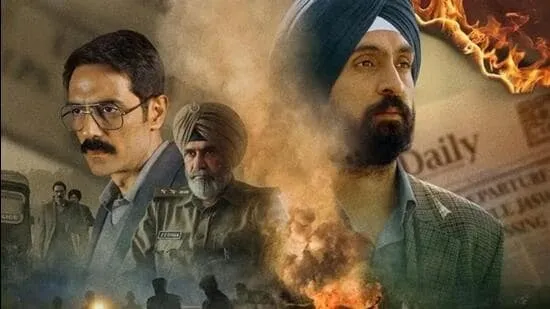
Punjab's history reflects deep spiritual roots and complex political challenges. The 1947 Partition displaced millions and left many Sikh heritage sites in Pakistan, causing lasting trauma. In the late 20th century, militancy surged, resulting in significant loss of life. Two prominent figures, Jarnail Singh Bhindranwale and KPS Gill, symbolize contrasting responses: Bhindranwale's religious assertion linked to militancy, and Gill's police-led counter-insurgency emphasizing state authority. Their legacies remain debated in Punjab's ongoing narrative.
First-hand measurement across 2 sources
We measured how 2 outlets covered this story. Coverage leans balanced overall (Left 25%, Centre 65%, Right 10%). Overall sentiment is neutral (50/100). Lens Score 18/100 — low public interest.
Outlets analysed (first-hand measurement by TBN's Bias Engine):
- hindustantimes— balanced framing, neutral sentiment
- ndtv— balanced framing, neutral sentiment
AI Analysis
The articles present multiple perspectives on Punjab's history, including spiritual heritage, the impact of Partition, and the militancy period. They highlight differing political views through Bhindranwale's religious activism and Gill's state-led counter-insurgency, reflecting debates between Sikh identity assertion and Indian state authority. Both viewpoints are represented without explicit endorsement, illustrating the complexity of Punjab's political landscape.
The overall tone is reflective and analytical, acknowledging the profound human suffering during Partition and militancy while presenting the contrasting legacies of two key figures. Coverage is mixed, balancing respect for cultural and religious significance with critical examination of militancy and counter-insurgency methods, resulting in a nuanced and sober sentiment.