US-Iran Peace Deal Raises Challenges for Israel and Regional Stability
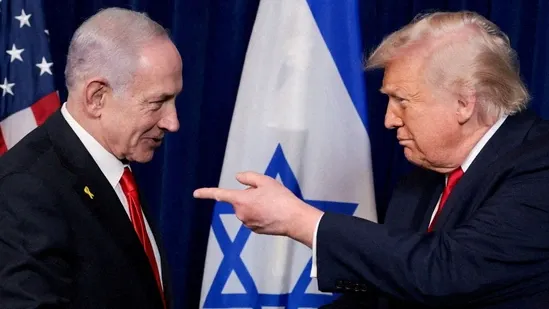
The US and Iran have signed a memorandum of understanding aiming to pause hostilities, including calls for peace between Israel and Hezbollah and respect for Lebanese sovereignty. Israeli Prime Minister Benjamin Netanyahu faces challenges balancing US alliance pressures and ongoing military operations against Hezbollah in Lebanon. The deal has sparked criticism within Israel and the US, with Vice President JD Vance leading negotiations amid domestic political tensions. Iran's closure of the Strait of Hormuz and continued drone attacks underscore ongoing regional instability despite diplomatic efforts.
First-hand measurement across 11 sources
We measured how 11 outlets covered this story. Coverage leans balanced overall (Left 41%, Centre 44%, Right 15%). Overall sentiment is negative (32/100). Lens Score 33/100 — low public interest.
Outlets analysed (first-hand measurement by TBN's Bias Engine):
- thehindu— balanced framing, neutral sentiment
- ndtv— left-leaning framing, negative sentiment
- ndtv— balanced framing, negative sentiment
- news18— balanced framing, negative sentiment
- thestatesman— left-leaning framing, negative sentiment
- theprint— balanced framing, neutral sentiment
- hindustantimes— left-leaning framing, negative sentiment
- indiatoday— balanced framing, neutral sentiment
AI Analysis
The article group presents multiple perspectives including US administration officials advocating the peace deal, Israeli leaders expressing concern over security implications, and Iranian statements emphasizing their positions. Coverage includes criticism from US Republicans and Israeli figures, as well as commentary on Vice President JD Vance's political role. The sources reflect a range of viewpoints from supportive to skeptical of the agreement, highlighting tensions between diplomatic efforts and military actions.
The overall tone across the articles is mixed, combining cautious optimism about the peace agreement with concerns over its effectiveness and regional security risks. While some sources emphasize potential benefits of the deal, others focus on ongoing violence, political backlash, and uncertainty. The sentiment reflects the complexity of the situation, balancing hope for de-escalation with skepticism about lasting peace.