India Rejects Third-Party Role in India-Nepal Border Dispute, Cites Bilateral Mechanisms
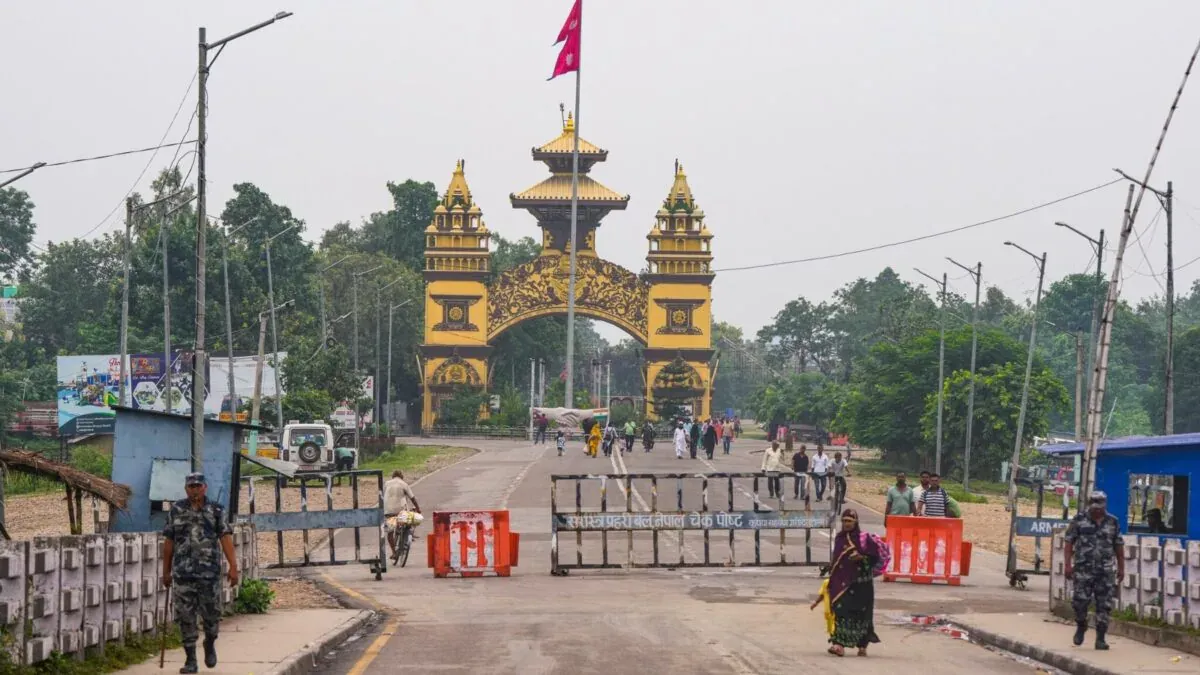
India has rejected Nepal Prime Minister Balendra Shah's suggestion to involve third parties like China and the UK in resolving their border dispute, emphasizing that nearly 98% of the India-Nepal boundary is already demarcated. The Ministry of External Affairs spokesperson Randhir Jaiswal stated that remaining issues, including cross-border occupation and shifting river courses, are being addressed through established bilateral mechanisms. Both countries continue to engage directly on unresolved segments without external involvement.
First-hand measurement across 2 sources
We measured how 2 outlets covered this story. Coverage leans balanced overall (Left 10%, Centre 80%, Right 10%). Overall sentiment is neutral (49/100). Lens Score 30/100 — low public interest.
Outlets analysed (first-hand measurement by TBN's Bias Engine):
- news18— balanced framing, neutral sentiment
- firstpost— balanced framing, neutral sentiment
AI Analysis
The article group presents perspectives primarily from Indian official sources emphasizing bilateral resolution and rejecting third-party involvement, reflecting the Indian government's stance. Nepal's Prime Minister Balendra Shah's viewpoint advocating for external involvement, including China and the UK, is also represented. Coverage focuses on diplomatic positions without favoring either side, highlighting the ongoing dispute and differing approaches to resolution.
The overall tone across the articles is neutral to formal, focusing on official statements and diplomatic responses. There is no emotive or sensational language; instead, the coverage conveys a factual account of the border dispute and the positions of both India and Nepal. The sentiment is balanced, reflecting ongoing negotiations and the complexity of the issue without expressing optimism or criticism.