Mojtaba Khamenei Reportedly to Skip Father Ali Khamenei's Funeral Over Security Concerns
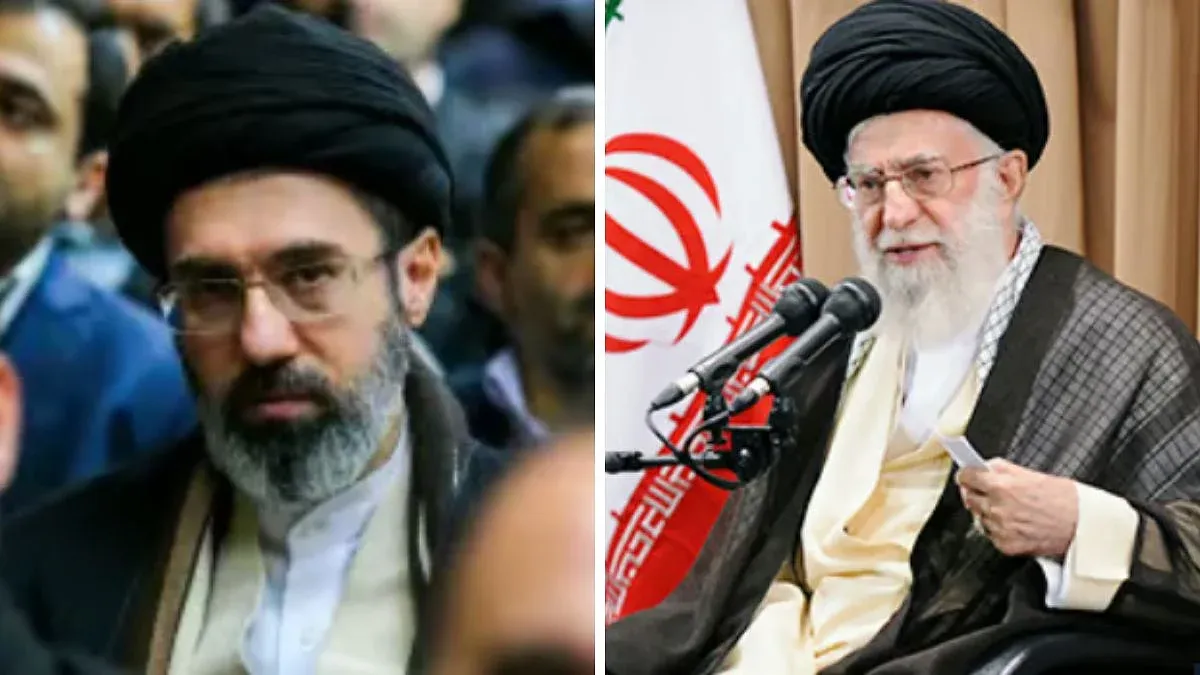
Iran's Supreme Leader Mojtaba Khamenei is reported to be skipping the funeral ceremonies of his father, former Supreme Leader Ali Khamenei, due to security concerns linked to Israeli threats and surveillance risks, according to Ayatollah Hakim Elahi, the current leader's representative in India. The funeral, expected to draw millions, will take place from July 4 to 9 across Tehran, Qom, and Mashhad. Iranian officials have issued warnings to the US regarding threats to their leadership amid ongoing regional tensions. Some reports note the coffin was taken to the site of Ali Khamenei's death, reflecting ritual significance. However, official confirmation of Ali Khamenei's death and Mojtaba's succession remains unverified by Iranian state sources.
First-hand measurement across 13 sources
We measured how 13 outlets covered this story. Coverage leans balanced overall (Left 5%, Centre 93%, Right 2%). Overall sentiment is neutral (39/100). Lens Score 28/100 — low public interest.
Outlets analysed (first-hand measurement by TBN's Bias Engine):
- oneindia— balanced framing, neutral sentiment
- wion— balanced framing, neutral sentiment
- firstpost— balanced framing, neutral sentiment
- thestatesman— balanced framing, neutral sentiment
- indiatvnews— balanced framing, neutral sentiment
- timesnow— balanced framing, neutral sentiment
- ndtv— balanced framing, neutral sentiment
- republicworld— balanced framing, negative sentiment
AI Analysis
The article group presents perspectives primarily from Iranian officials and representatives emphasizing security threats from Israel and the US, reflecting Iran's official stance on regional tensions. Some sources include warnings from Iranian foreign officials directed at the US and Israel. One article introduces caution regarding unverified claims about Ali Khamenei's death and Mojtaba's succession, highlighting the absence of official confirmation. Overall, the coverage reflects a focus on Iranian governmental viewpoints and regional geopolitical dynamics without overt editorializing.
The overall tone across the articles is serious and cautious, focusing on security risks and geopolitical tensions without emotional language. Coverage includes warnings and threats exchanged between Iran, Israel, and the US, contributing to a tense but factual atmosphere. The reporting on funeral arrangements and public mourning is respectful and neutral. The inclusion of verification concerns in one article adds a note of skepticism, balancing the narrative. Thus, the sentiment is mixed but predominantly neutral and informative.