Management and Financial Oversight of Indian Temples: Historical and Contemporary Perspectives
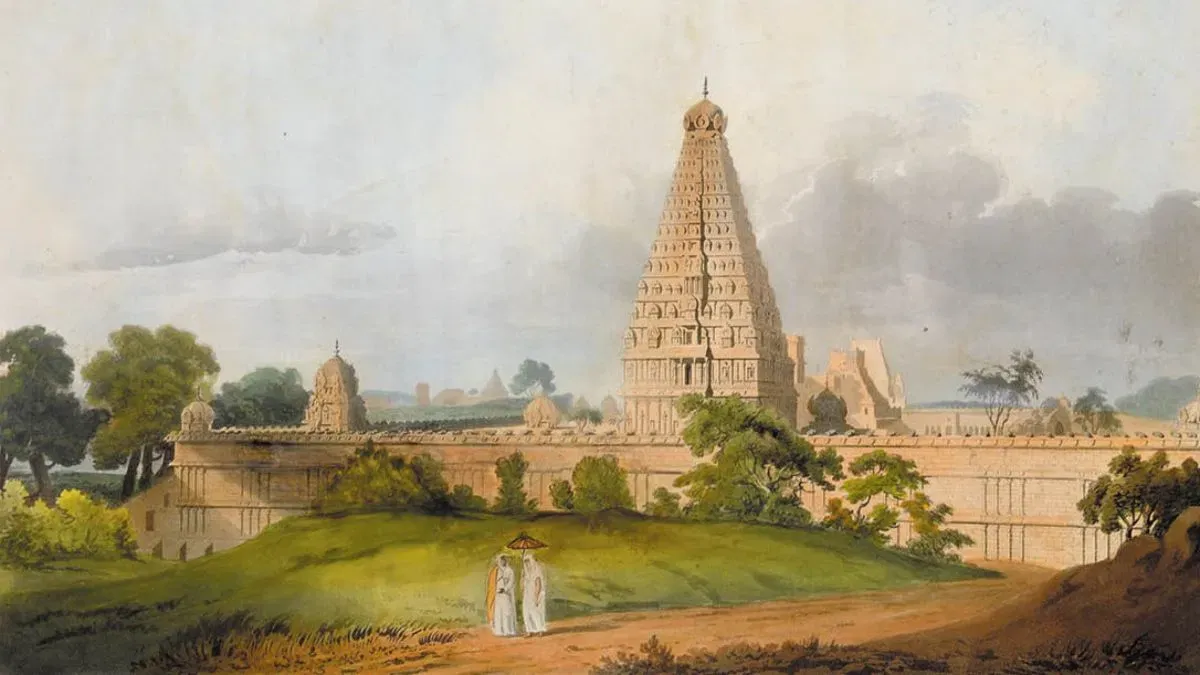
Indian temples, historically and presently, manage vast assets and complex operations. Medieval South Indian temples like those under the Chola dynasty controlled extensive land and resources, requiring detailed financial oversight. Today, around 4 lakh temples in India hold assets estimated at Rs 9 lakh crore, managed under government laws or private trusts. Recent incidents, such as theft at the Ram Mandir, have raised concerns about donation management and oversight across major temples, prompting government and trust interventions.
First-hand measurement across 2 sources
We measured how 2 outlets covered this story. Coverage leans balanced overall (Left 10%, Centre 85%, Right 5%). Overall sentiment is neutral (48/100). Lens Score 41/100 — moderate-to-low public interest.
Outlets analysed (first-hand measurement by TBN's Bias Engine):
- ndtv— balanced framing, neutral sentiment
- theprint— balanced framing, neutral sentiment
AI Analysis
The articles present a largely factual overview of temple management without explicit political framing. They include historical context and current administrative structures, referencing government involvement and private trusts. The coverage reflects institutional perspectives on governance and oversight, with no partisan commentary or ideological bias evident in the sources.
The tone across the articles is neutral to cautiously concerned, focusing on factual descriptions of temple wealth and management challenges. While acknowledging issues like theft and corruption risks, the coverage avoids sensationalism, emphasizing administrative responses and historical continuity rather than emotive language.
How 2 sources covered this story
Each source's own headline, political lean, and sentiment — so you can see framing differences at a glance.