Kashmiri Diaspora and Residents Protest Alleged Repression in Pakistan-Occupied Kashmir
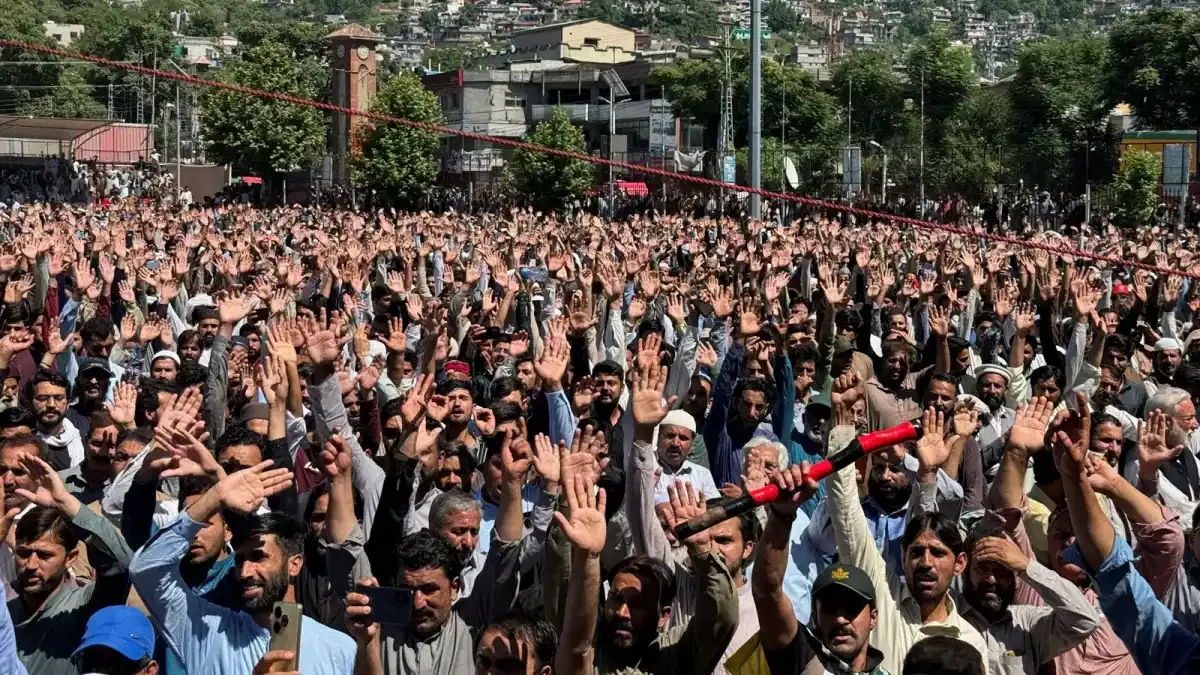
Protests by the Kashmiri diaspora and residents in Pakistan-occupied Kashmir (PoK) have intensified amid allegations of military repression and human rights violations by Pakistani security forces. Demonstrators in the US, UK, and PoK accuse authorities of using lethal force, restricting essential supplies, and vandalizing religious sites, including a mosque. Organizers demand political rights, regional autonomy, and the withdrawal of Pakistani troops, calling on international bodies to intervene. Pakistani officials have not publicly addressed these specific claims, and independent verification remains pending.
First-hand measurement across 5 sources
We measured how 5 outlets covered this story. Coverage leans left-leaning overall (Left 68%, Centre 29%, Right 3%). Overall sentiment is negative (29/100). Lens Score 35/100 — moderate-to-low public interest.
Outlets analysed (first-hand measurement by TBN's Bias Engine):
- firstpost— left-leaning framing, negative sentiment
- news18— left-leaning framing, negative sentiment
- thetribune— left-leaning framing, negative sentiment
- english— left-leaning framing, negative sentiment
- english— left-leaning framing, negative sentiment
AI Analysis
The article group predominantly presents perspectives critical of Pakistan's administration in PoK, highlighting claims of military repression and human rights abuses from diaspora groups and protest organizers. Pakistani authorities' viewpoints are largely absent or limited to official denials or lack of response. The coverage reflects voices advocating for political rights and autonomy, with international appeals, while Pakistani government perspectives remain underrepresented.
The overall tone across the articles is critical and concerned, focusing on allegations of violence, repression, and humanitarian issues in PoK. The sentiment is largely negative toward Pakistani security forces, emphasizing protester grievances and reported casualties. However, the coverage maintains a factual approach by noting the lack of independent verification and official responses, resulting in a cautiously critical but balanced tone.