Agriphotovoltaics Proposed to Boost India's Energy Security and Farmer Incomes
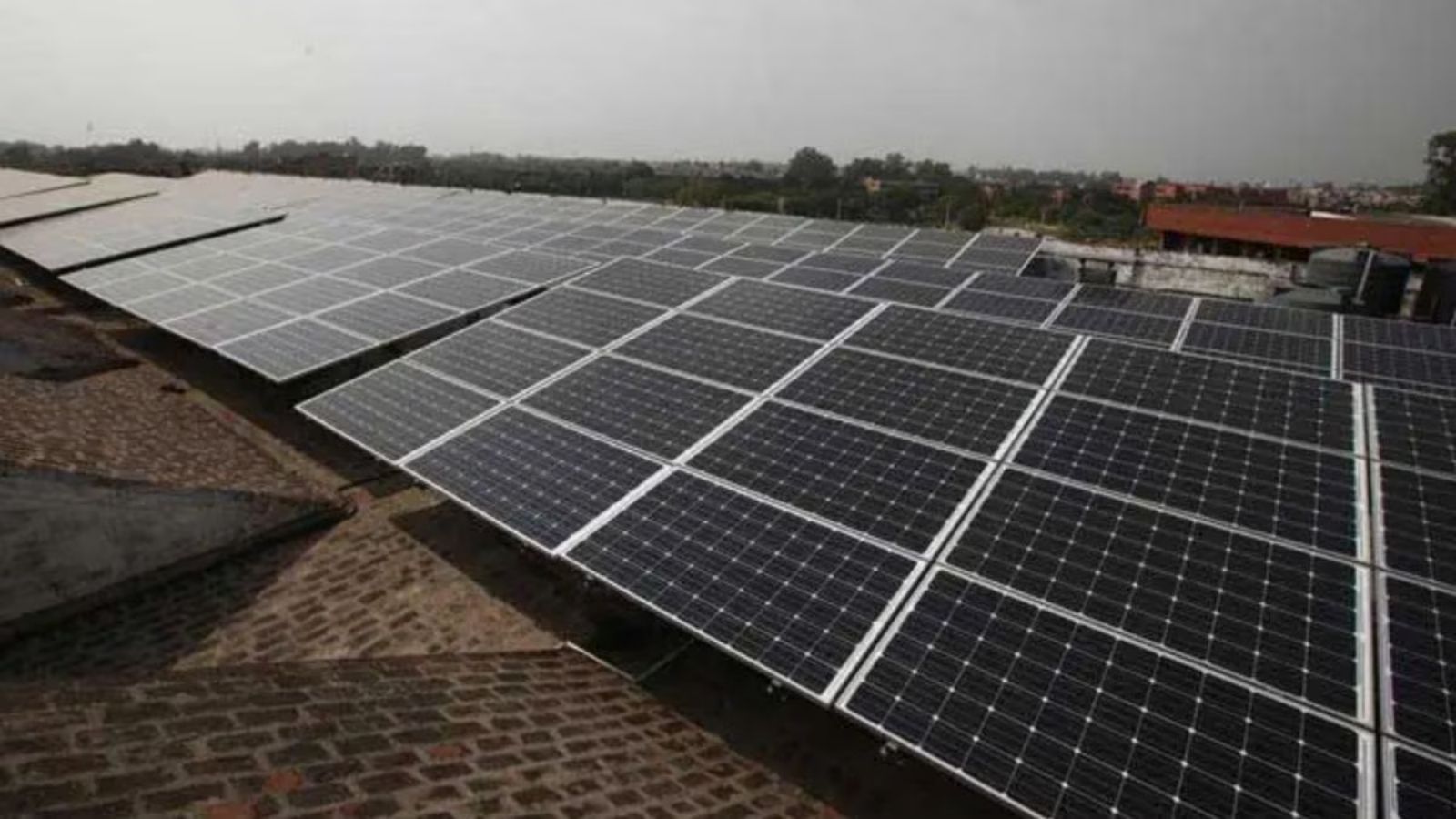
India's reliance on imported fossil fuels poses strategic risks amid the West Asia crisis, while climate change threatens agricultural livelihoods. Experts highlight agriphotovoltaics (Agri-PV), which combine solar power generation with crop cultivation on the same land, as a solution to enhance energy security and farmer incomes. With renewable energy capacity growing, including solar surpassing 150 GW, promoting Agri-PV could reduce government power subsidies and support rural transformation, complementing existing schemes like PM-KUSUM.
First-hand measurement across 2 sources
We measured how 2 outlets covered this story. Coverage leans balanced overall (Left 10%, Centre 78%, Right 12%). Overall sentiment is positive (75/100). Lens Score 27/100 — low public interest.
Outlets analysed (first-hand measurement by TBN's Bias Engine):
- indianexpress— balanced framing, positive sentiment
- thefinancialexpress— balanced framing, positive sentiment
AI Analysis
The articles present a policy-focused perspective emphasizing India's energy dependence and agricultural challenges without partisan framing. They highlight government initiatives like PM Modi's renewable energy push and schemes such as PM-KUSUM, reflecting a supportive but analytical stance. The coverage centers on expert recommendations for agriphotovoltaics, representing a technocratic viewpoint rather than political debate.
The tone across the articles is cautiously optimistic, acknowledging significant challenges like energy dependence and climate risks while emphasizing innovative solutions. The promotion of agriphotovoltaics and renewable energy expansion is framed positively as a transformative opportunity for farmers and the economy, balancing concerns with potential benefits.
How 2 sources covered this story
Each source's own headline, political lean, and sentiment — so you can see framing differences at a glance.