Six Years After Galwan Clash: Military Standoff and Ongoing Tensions Along LAC
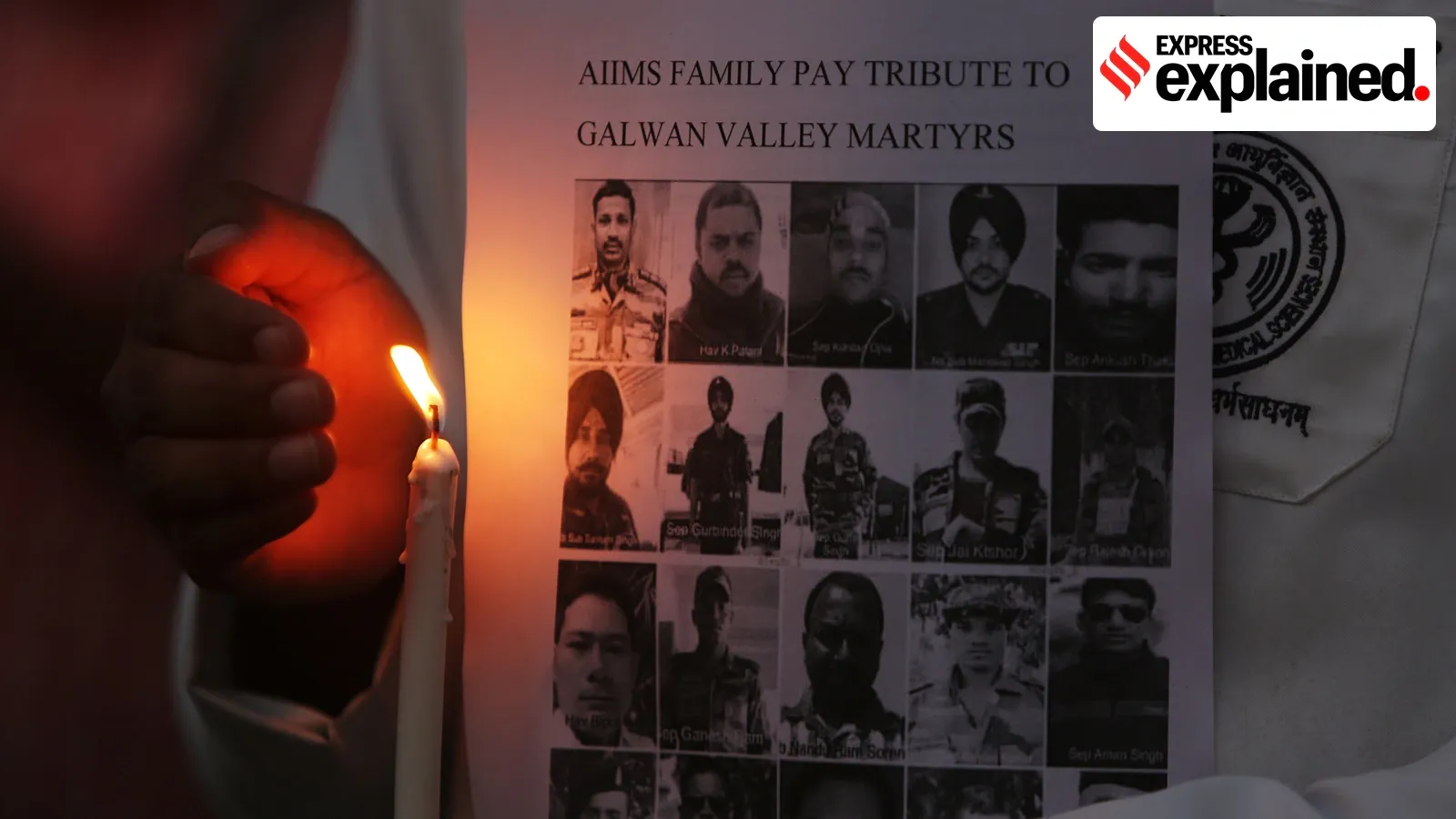
The 2020 Galwan clash between Indian and Chinese troops marked the deadliest conflict since 1962, resulting in significant casualties and a major strain on bilateral relations. The incident followed large-scale Chinese incursions in Eastern Ladakh, prompting strong Indian military responses and prolonged negotiations. Disengagement was achieved in key sectors after multiple talks and a 2024 meeting between Prime Minister Modi and President Xi, though tensions persist due to altered patrolling protocols and Chinese infrastructure developments along the Line of Actual Control.
First-hand measurement across 2 sources
We measured how 2 outlets covered this story. Coverage leans balanced overall (Left 10%, Centre 80%, Right 10%). Overall sentiment is neutral (45/100). Lens Score 30/100 — low public interest.
Outlets analysed (first-hand measurement by TBN's Bias Engine):
- indianexpress— balanced framing, neutral sentiment
- indianexpress— balanced framing, neutral sentiment
AI Analysis
The articles primarily present a factual account of the Galwan clash and subsequent developments, reflecting perspectives from Indian military and political leadership. They emphasize Chinese actions as provocations and Indian responses as defensive, with official statements and diplomatic engagements highlighted. The coverage focuses on bilateral dynamics without overt political partisanship, representing government viewpoints and expert analysis on the evolving situation.
The overall tone is serious and measured, acknowledging the severity of the 2020 clash and its impact on India-China relations. While recognizing progress through disengagement and diplomatic talks, the articles convey ongoing concerns about persistent tensions and military posturing. The sentiment is thus mixed, combining acknowledgment of conflict resolution efforts with caution about unresolved issues.