UK Leads European Initiative to Develop Long-Range Missiles for NATO Members
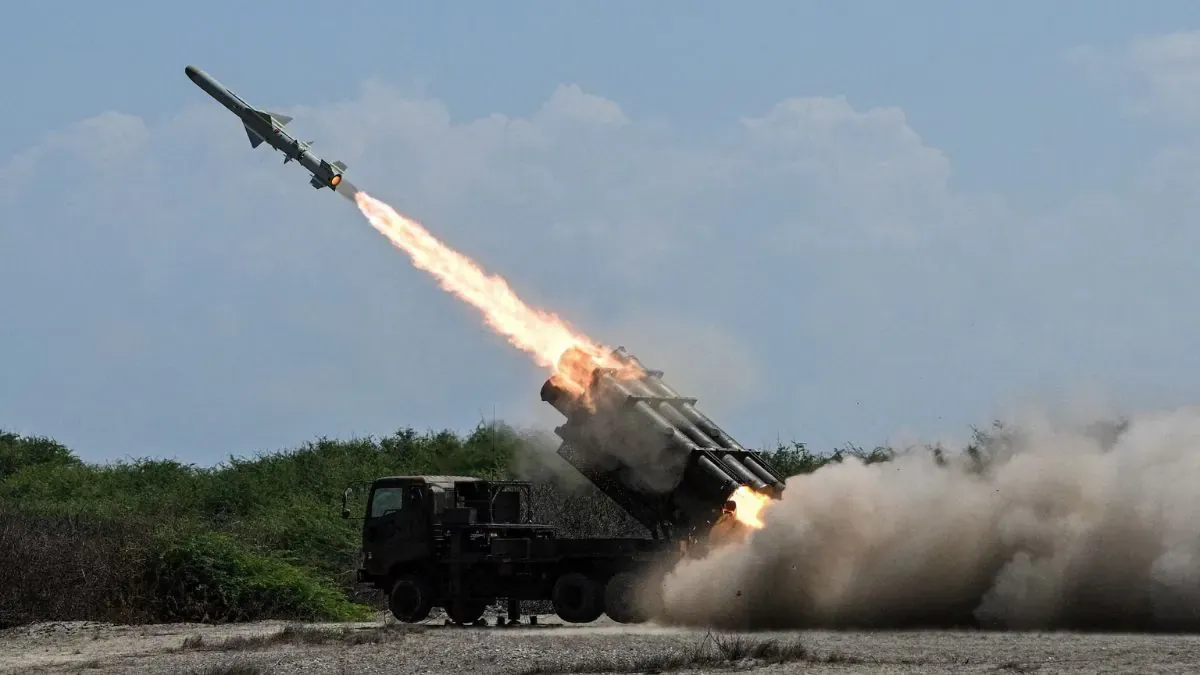
The United Kingdom is leading a European initiative called the Deep Precision Strike project to develop long-range precision missiles for NATO members, aiming to reduce reliance on the United States. Supported by around a dozen countries including Germany, France, Ukraine, and the Netherlands, the programme plans over $37 billion in spending over the next decade. The missiles, with ranges between 1,000 and 3,000 kilometers, are intended to enhance European defense capabilities amid US troop reductions and rising tensions with Russia. The initiative was announced at the NATO summit in Ankara, with UK Prime Minister Keir Starmer emphasizing a stronger, more European-led NATO.
First-hand measurement across 2 sources
We measured how 2 outlets covered this story. Coverage leans balanced overall (Left 0%, Centre 100%, Right 0%). Overall sentiment is neutral (58/100). Lens Score 40/100 — moderate-to-low public interest.
Outlets analysed (first-hand measurement by TBN's Bias Engine):
- httpswwwoutlookindiacom— balanced framing, neutral sentiment
- firstpost— balanced framing, neutral sentiment
AI Analysis
The articles present a primarily Western perspective focusing on European efforts to strengthen NATO's defense capabilities amid perceived threats from Russia and US military reductions in Europe. The UK and allied countries' leadership roles are highlighted, with emphasis on European autonomy within NATO. There is limited representation of opposing viewpoints or Russian perspectives, reflecting the sources' alignment with NATO member states' security interests.
The overall tone across the articles is cautiously optimistic, emphasizing strategic advancement and enhanced security through the missile programme. Coverage highlights the initiative as a proactive step to address defense gaps and support NATO allies, particularly Ukraine, without overtly alarmist or critical language. The sentiment balances concern over geopolitical tensions with confidence in European collaboration and technological progress.