Delhi Launches EV Policy 2.0 with Mandates and Infrastructure Expansion
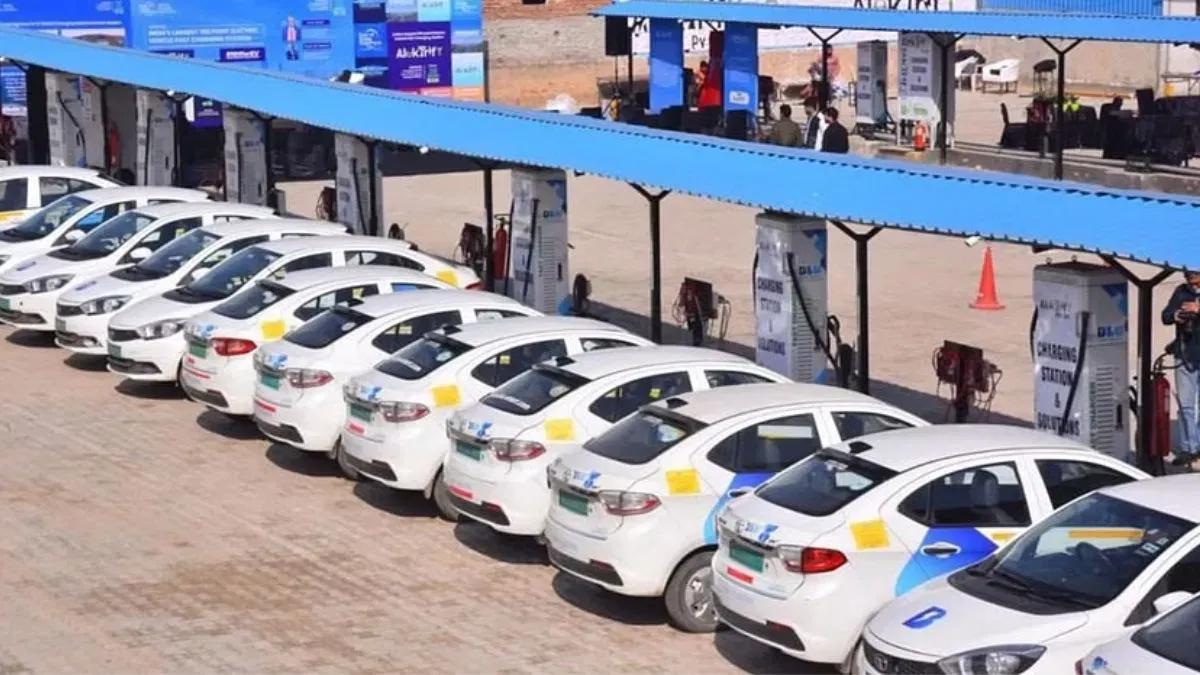
Delhi's EV Policy 2.0 aims to accelerate the transition to electric vehicles by combining time-bound electrification mandates with financial incentives for scrapping old vehicles and purchasing EVs. The policy addresses past enforcement challenges by focusing on infrastructure development, including expanding public charging points from around 9,000 to over 30,000 by 2030. Officials emphasize that clean air is a basic right and highlight investments in battery swapping, skill development, and streamlined approvals to build a comprehensive EV ecosystem.
First-hand measurement across 2 sources
We measured how 2 outlets covered this story. Coverage leans balanced overall (Left 15%, Centre 77%, Right 8%). Overall sentiment is positive (68/100). Lens Score 29/100 — low public interest.
Outlets analysed (first-hand measurement by TBN's Bias Engine):
- theprint— balanced framing, neutral sentiment
- httpswwwoutlookindiacom— balanced framing, positive sentiment
AI Analysis
The articles present government perspectives emphasizing environmental responsibility and public health benefits of the EV policy. They highlight official statements on policy goals and investments without opposition viewpoints. Coverage focuses on policy design and implementation plans, reflecting a pro-government framing centered on clean air and infrastructure readiness.
The tone across the articles is generally positive, highlighting the ambitious nature of Delhi's EV policy and its comprehensive approach. The coverage underscores government commitment and planned investments, conveying optimism about the policy's potential impact on air quality and transportation electrification.
How 2 sources covered this story
Each source's own headline, political lean, and sentiment — so you can see framing differences at a glance.