Skip to content
Get the Balanced News app for a better experience!
The Balanced News Logo
Analytics
The Balanced News Logo

Stay Balanced, Stay Informed

Menu
  • Browse News
  • Underreported Stories
  • Curated Feeds
  • Insights
  • Analytics
  • Our Writers
  • About Us
  • Download App
Learn
  • How It Works
  • Bias Detection
  • Lens Score
  • Source Bias Checker
  • Accountability
  • Custom Feeds
Newsroom
  • Writers & Analysts
  • About TBN
  • Editorial Standards
  • Corrections Policy
  • Our Partners
  • Insights
Socials
  • Youtube
  • Instagram
  • X
  • Facebook
News Categories
  • Trending
  • Politics
  • Sports
  • Business
  • Tech
  • Entertainment
  • Health
  • Science
  • Crime
  • Lifestyle
  • National
  • International
  • Good News
  • Crypto

Get Our App

Available for iOS and Android


LensFeedsInsightsAnalyticsTrendingGood NewsSportsPoliticsBusinessCrimeTechEntertainmentHealthNationalInternational

© 2026 The Balanced News. All rights reserved.

About UsEditorial StandardsCorrectionsHelp & SupportPrivacy PolicyTerms & Conditions
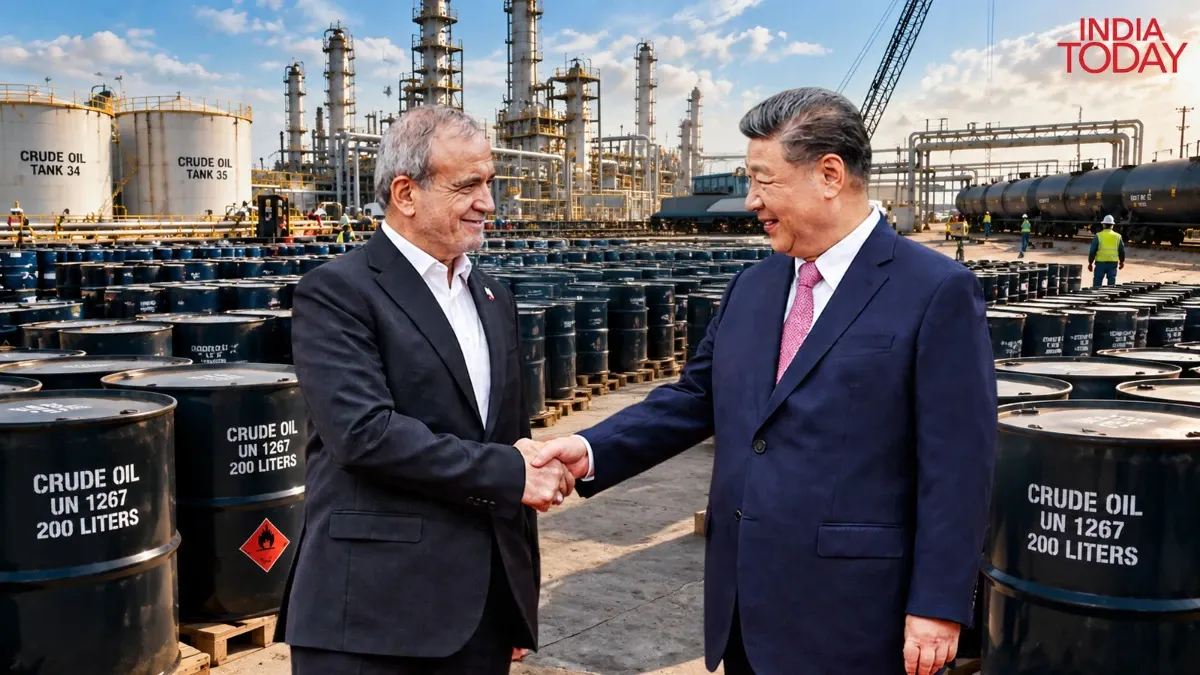
Iran Uses Barter Trade with China to Circumvent US Sanctions on Oil
Categories

Categories

Related Coverage

Select a news story to see related coverage from other media outlets.

Related Coverage

Select a news story to see related coverage from other media outlets.

  1. Home
  2. /
  3. Politics

Iran Uses Barter Trade with China to Circumvent US Sanctions on Oil

Analysed 10 Sept 2026·2 sources analysed·Tehran, Iran·Politics
Iran Uses Barter Trade with China to Circumvent US Sanctions on OilPreviousNext

Iran has established a covert barter trade system with China to bypass US sanctions on its oil exports. Under this arrangement, Iranian oil sales are converted into credits used to purchase billions of dollars' worth of Chinese goods, including military and civilian items. This mechanism helps Tehran maintain financial flows despite intensified US economic and military pressure, while allowing China to access discounted Iranian oil. The US has sanctioned some smaller Chinese entities but avoided harsher measures to prevent global economic disruption. Both Iran and China reject Western sanctions as illegal.

Sentiment
48%
TBN's observations

First-hand measurement across 2 sources

We measured how 2 outlets covered this story. No outlet gave this story a measurable political slant — there is no left–right reading to report. Overall sentiment is neutral (48/100). Lens Score 58/100.

Outlets measured: indiatoday, deccanherald. See how each one headlined and framed the same story in the source comparison below.

AI analysis of 2 sources · Published under editorial oversight by The Balanced News
Analysed 10 Sept 2026· How this analysis is produced· Editorial standards· Corrections

AI Analysis

Sentiment — Neutral (48/100)

Sentiment was consistent across outlets (48–48/100), indicating broadly factual reporting rather than editorialising.

Coverage timeline

deccanherald broke this story on 10 Sept, 06:55 am. Other outlets followed.

10 Sept, 06:55 am2 sources · 27 min10 Sept, 07:22 am
  1. 1
AI analysis by the TBN Bias Engine · beat methodology byPrajakta Kale· Political Analyst· editorial standards byOjas Kale
← Previous
Federation of American Scientists Estimates India’s Nuclear Arsenal at 190 Warheads
Next →
Supreme Court Declines to Hear Plea Challenging HPV Vaccination Campaign
deccanherald10 Sept, 06:55 am
Iran-China sanctions dodge: Billion-dollar barter trade revealed
  • 2
    indiatoday10 Sept, 07:22 am
    How Iran's secret barter trade with China helps evade US sanctions
  • Who's involved

    Institutions and figures named across source coverage.

    Government
    Central Bank of the Islamic Republic of IranMinistry of Commerce of the People's Republic of ChinaUnited States Department of the Treasury
    Corporate
    Zhuhai Zhenrong Company LimitedNational Iranian Oil CompanyZhuhai Zhenrong Company

    Story context

    Category
    Politics
    Location
    Tehran, Iran
    Sources analysed
    2
    Last analysed
    10 Sept 2026
    Key entities
    Economic sanctionsPetroleumIranChinaStrait of HormuzBlockadeTehranNuclear program of IranUnited States Secretary of the TreasuryWorld economyUnited NationsUnited States