Protests in Pakistan-Occupied Kashmir Continue Amid Calls for Rights and Government Response
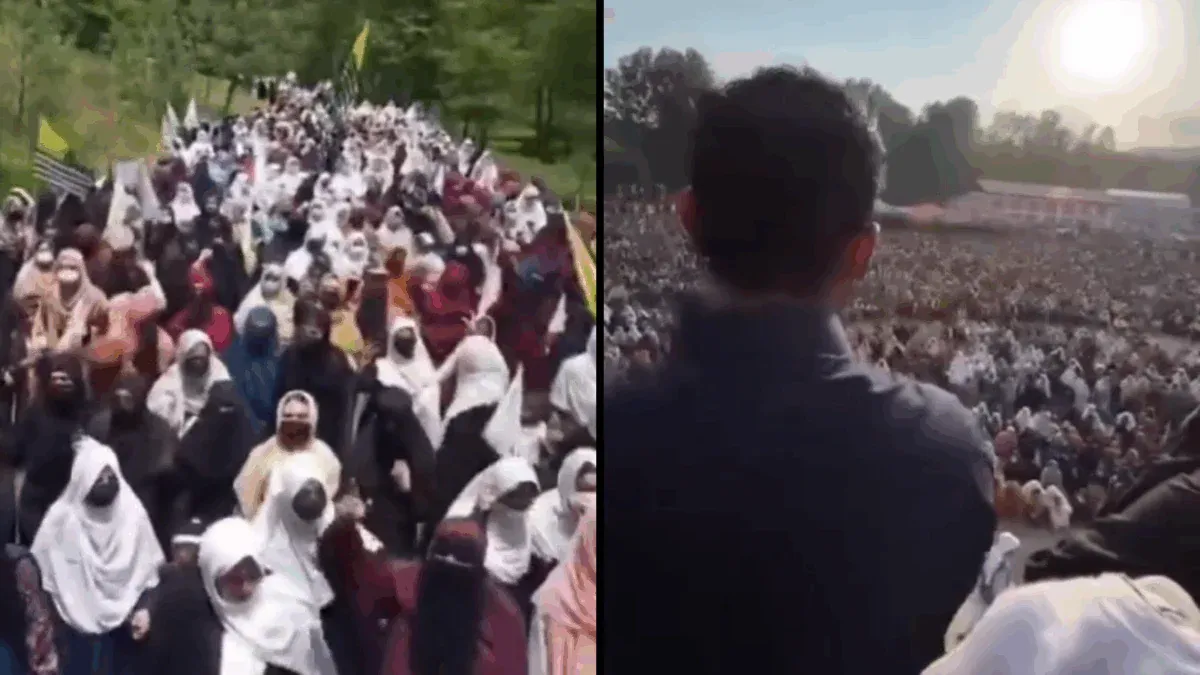
Protests in Pakistan-occupied Kashmir (PoK), led by the Jammu Kashmir Joint Awami Action Committee (JAAC), have entered their seventh day, with thousands rallying in Rawalakot and other areas. Demonstrators demand greater political rights, economic relief, and an end to privileges for Pakistan-based refugees. JAAC has called for resignations from Pakistani government jobs and criticized military leadership. Authorities have responded with force, arrests, and communication restrictions, amid reports of casualties. The movement highlights longstanding grievances over governance, resource distribution, and regional autonomy.
First-hand measurement across 4 sources
We measured how 4 outlets covered this story. Coverage leans left-leaning overall (Left 70%, Centre 29%, Right 1%). Overall sentiment is negative (29/100). Lens Score 39/100 — moderate-to-low public interest.
Outlets analysed (first-hand measurement by TBN's Bias Engine):
- news18— left-leaning framing, negative sentiment
- thetribune— left-leaning framing, negative sentiment
- news18— left-leaning framing, negative sentiment
- english— left-leaning framing, negative sentiment
AI Analysis
The articles represent perspectives primarily from local protest leaders and civil society groups like JAAC, emphasizing demands for rights and criticizing Pakistani authorities. Government and military viewpoints are mentioned mainly through reported actions such as crackdowns and official denials. Coverage focuses on the conflict between grassroots movements seeking autonomy and the Pakistani administration's efforts to maintain control, reflecting a range of stakeholder positions without endorsing any.
The overall tone across the articles is serious and somber, highlighting ongoing unrest, government crackdowns, and reported casualties. While the protest movement is portrayed with sympathy and emphasis on legitimate grievances, the coverage also notes security concerns and official responses. This results in a mixed sentiment that balances the depiction of public dissent and state actions without overtly positive or negative bias.