Protests in Pakistan-Occupied Kashmir Intensify with Calls for Political Rights and Autonomy
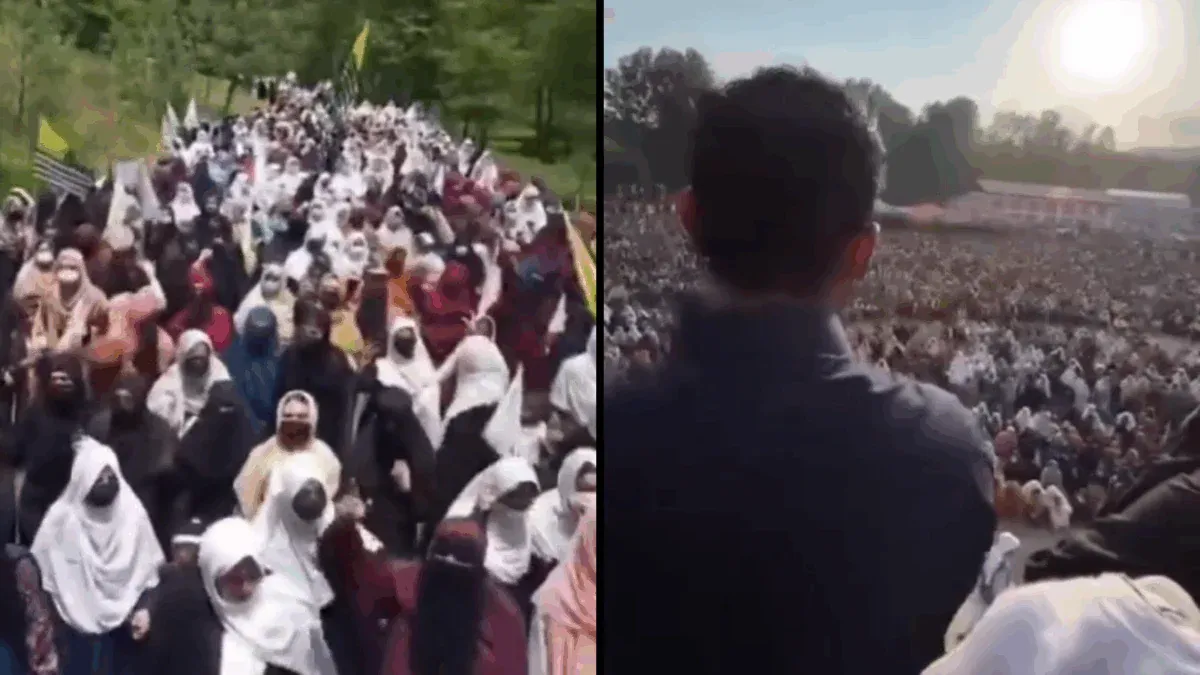
Protests in Pakistan-occupied Kashmir (PoK), led by the Jammu Kashmir Joint Awami Action Committee (JAAC), have entered their seventh to eighth day, with thousands rallying in Rawalakot demanding greater political rights, economic relief, and regional autonomy. The movement, initially focused on economic grievances, has escalated to openly challenge Pakistan's military and administration, including calls for government employees to resign. Authorities have responded with communication restrictions, arrests, and alleged use of force, resulting in reported casualties amid ongoing tensions and shutdowns.
First-hand measurement across 10 sources
We measured how 10 outlets covered this story. Coverage leans centre-left overall (Left 51%, Centre 46%, Right 3%). Overall sentiment is negative (32/100). Lens Score 39/100 — moderate-to-low public interest.
Outlets analysed (first-hand measurement by TBN's Bias Engine):
- indiatoday— balanced framing, negative sentiment
- theprint— left-leaning framing, negative sentiment
- firstpost— left-leaning framing, neutral sentiment
- thetribune— left-leaning framing, neutral sentiment
- news18— balanced framing, neutral sentiment
- english— balanced framing, negative sentiment
- news18— left-leaning framing, negative sentiment
- thetribune— left-leaning framing, negative sentiment
AI Analysis
The article group presents perspectives primarily from the JAAC and protest participants, highlighting their demands and criticisms of Pakistan's military and government. Official Pakistani authorities' responses are noted mainly through reported actions like arrests and communication restrictions, without direct statements. The coverage reflects a focus on local dissent and governance issues, with limited representation of the Pakistani government's viewpoint, emphasizing grassroots grievances and political opposition within PoK.
The overall tone across the articles is serious and tense, reflecting escalating unrest and confrontations between protesters and authorities. While the coverage acknowledges peaceful intentions of demonstrators, it also reports on alleged violence and government crackdowns, creating a mixed sentiment that combines concern for human rights and recognition of political instability. The sentiment is predominantly critical of the status quo but maintains a neutral narrative by attributing claims and avoiding emotive language.