Shifting Middle East Dynamics Challenge Regional Stability and U.S. Diplomatic Efforts
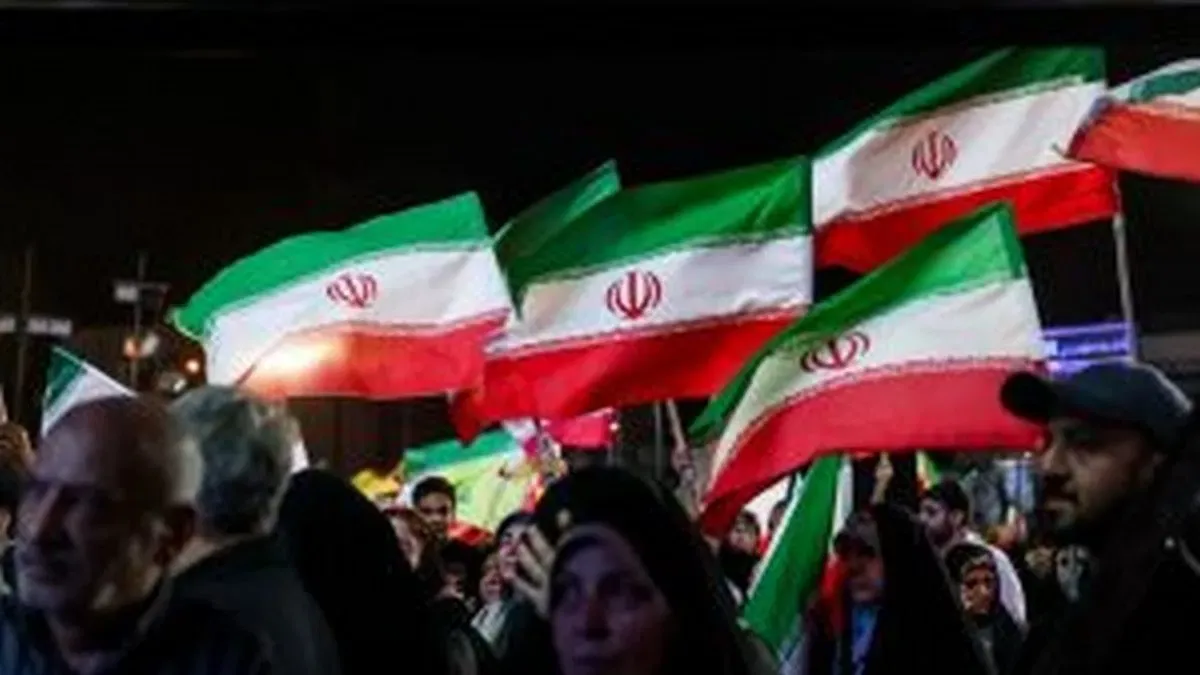
Recent developments in the Middle East reveal shifting power dynamics involving Syria, Israel, Iran, and their allies. After years of conflict, Syrian President Assad briefly lost control in 2024 before further reversals occurred. Israel faced attacks from Hamas, Hezbollah, and others but responded with military actions targeting these groups and Iranian interests. Meanwhile, U.S. efforts to stabilize the region and maintain diplomatic accords have been challenged by Israeli military operations, highlighting differing strategic priorities between Washington and Jerusalem amid ongoing regional tensions.
First-hand measurement across 2 sources
We measured how 2 outlets covered this story. Coverage leans balanced overall (Left 15%, Centre 77%, Right 8%). Overall sentiment is neutral (45/100). Lens Score 26/100 — low public interest.
Outlets analysed (first-hand measurement by TBN's Bias Engine):
- thestatesman— balanced framing, neutral sentiment
- theprint— balanced framing, neutral sentiment
AI Analysis
The articles present multiple perspectives, including regional power shifts and U.S. diplomatic challenges. One source emphasizes the fluctuating fortunes of Middle Eastern actors like Assad and Israel, while the other highlights tensions between U.S. policy goals and Israeli military actions. Both viewpoints acknowledge complex strategic interests without overt partisan framing, reflecting a balanced coverage of geopolitical and diplomatic dimensions.
The overall tone is measured and analytical, focusing on the complexities and reversals in Middle Eastern conflicts. Coverage includes both setbacks and assertive actions by involved parties, with no overtly positive or negative language. The sentiment reflects concern over instability and diplomatic difficulties, maintaining a neutral stance on the unfolding events.