Skip to content
Get the Balanced News app for a better experience!
The Balanced News Logo
Analytics
The Balanced News Logo

Stay Balanced, Stay Informed

Menu
  • Browse News
  • Underreported Stories
  • Curated Feeds
  • Insights
  • Analytics
  • Our Writers
  • About Us
  • Download App
Learn
  • How It Works
  • Bias Detection
  • Lens Score
  • Source Bias Checker
  • Accountability
  • Custom Feeds
Newsroom
  • Writers & Analysts
  • About TBN
  • Editorial Standards
  • Corrections Policy
  • Our Partners
  • Insights
Socials
  • Youtube
  • Instagram
  • X
  • Facebook
News Categories
  • Trending
  • Politics
  • Sports
  • Business
  • Tech
  • Entertainment
  • Health
  • Science
  • Crime
  • Lifestyle
  • National
  • International
  • Good News
  • Crypto

Get Our App

Available for iOS and Android


LensFeedsInsightsAnalyticsTrendingGood NewsSportsPoliticsBusinessCrimeTechEntertainmentHealthNationalInternational

© 2026 The Balanced News. All rights reserved.

About UsEditorial StandardsCorrectionsHelp & SupportPrivacy PolicyTerms & Conditions
General Jack Keane Criticizes Pakistan, Qatar, and Saudi Arabia's Roles in US-Iran Diplomacy
Categories

Categories

Related Coverage

Select a news story to see related coverage from other media outlets.

Related Coverage

Select a news story to see related coverage from other media outlets.

  1. Home
  2. /
  3. Politics

General Jack Keane Criticizes Pakistan, Qatar, and Saudi Arabia's Roles in US-Iran Diplomacy

Analysed 4 Aug 2026·2 sources analysed·Washington (state), United States·Politics
General Jack Keane Criticizes Pakistan, Qatar, and Saudi Arabia's Roles in US-Iran DiplomacyPreviousNext

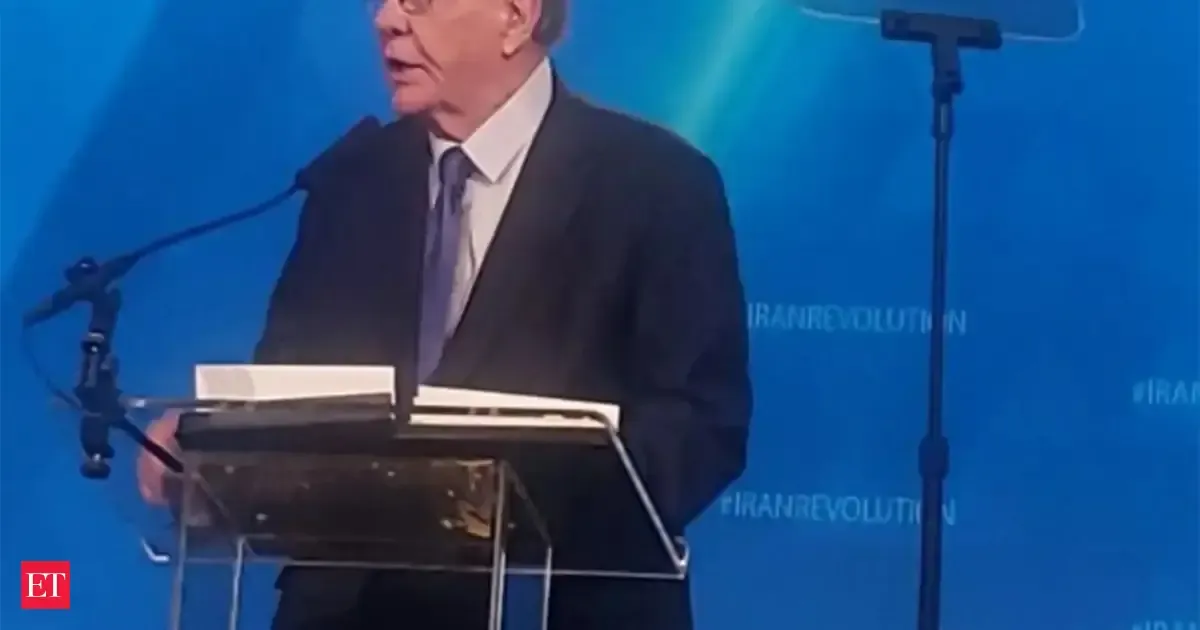
Retired US General Jack Keane criticized Pakistan and Qatar as compromised mediators favoring Iran over the US in diplomatic efforts to ease tensions. He also alleged that Saudi Arabia discouraged stronger US military action against Iran by denying access to airbases and advising negotiations. Keane's comments followed President Trump's decision to halt a planned strike on Iran to pursue diplomatic engagement, highlighting concerns about the influence of regional actors on US-Iran relations.

Sentiment
30%
TBN's observations

First-hand measurement across 2 sources

We measured how 2 outlets covered this story. No outlet gave this story a measurable political slant — there is no left–right reading to report. Overall sentiment is negative (30/100). Lens Score 54/100.

Outlets measured: economictimes, thetribune. See how each one headlined and framed the same story in the source comparison below.

AI analysis of 2 sources · Published under editorial oversight by The Balanced News
Analysed 4 Aug 2026· How this analysis is produced· Editorial standards· Corrections

AI Analysis

Sentiment — Negative (30/100)

Sentiment was consistent across outlets (28–32/100), indicating broadly factual reporting rather than editorialising.

Coverage timeline

thetribune broke this story on 4 Aug, 02:40 am. Other outlets followed.

4 Aug, 02:40 am2 sources · 55 min4 Aug, 03:35 am
AI analysis by the TBN Bias Engine · beat methodology byPrajakta Kale· Political Analyst· editorial standards byOjas Kale
← Previous
New Framework Proposes Phased Hamas Disarmament and Governance Plan for Gaza
Next →
Punjab Assembly Debates Status of Convicted Officers in Khalra Murder Case
1
thetribune4 Aug, 02:40 am
Pakistani mediators compromised, favour Iran at expense of US: Defence analyst General Jack Keane - The Tribune
  • 2
    economictimes4 Aug, 03:35 am
    'Pakistani mediators compromised, favour Iran at expense of US': Defence analyst General Jack Keane
  • Who's involved

    Institutions and figures named across source coverage.

    Government
    Saudi GovernmentUnited States Department of Defense
    Political
    Pakistan GovernmentQatar GovernmentIranian GovernmentUnited States GovernmentSaudi Government

    Story context

    Category
    Politics
    Location
    Washington (state), United States
    Sources analysed
    2
    Last analysed
    4 Aug 2026
    Key entities
    Jack KeaneWashington, D.C.United StatesSaudi ArabiaPakistanIranArms industryDonald TrumpTehranQatarInstitute for the Study of WarIran–United States relations