Supreme Court Seeks Responses on National Digital Registry and Social Media Code for Lawyers
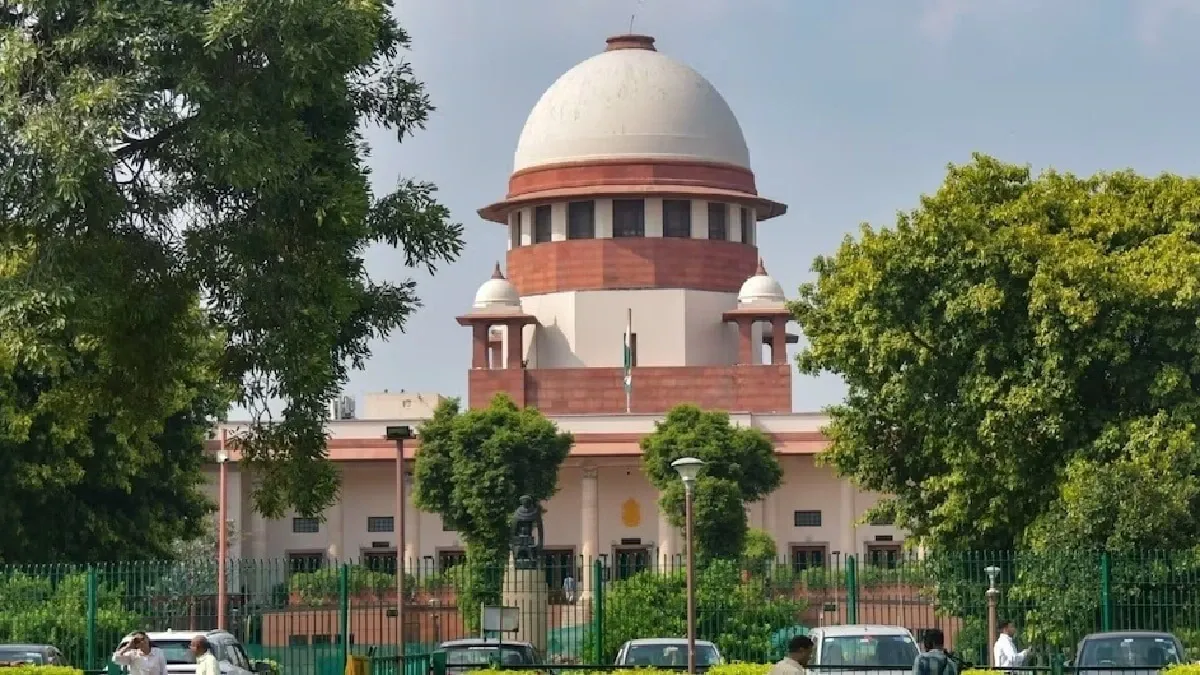
The Supreme Court has sought responses from the Centre, Bar Council of India (BCI), University Grants Commission (UGC), and state bar councils on a plea by the Bar Association of India (BAI) proposing a National Digital Registry for the Legal Profession (NDRLP). This registry would assign unique identifiers to advocates, verify qualifications, and maintain disciplinary records to address fake degrees and unregistered practitioners. The court also considered a social media code of conduct for lawyers and emphasized involving law universities for authentic data. The matter is listed for further hearing in July.
First-hand measurement across 4 sources
We measured how 4 outlets covered this story. Coverage leans balanced overall (Left 8%, Centre 88%, Right 4%). Overall sentiment is neutral (59/100). Lens Score 38/100 — moderate-to-low public interest.
Outlets analysed (first-hand measurement by TBN's Bias Engine):
- hindustantimes— balanced framing, neutral sentiment
- thehindu— balanced framing, neutral sentiment
- thetribune— balanced framing, neutral sentiment
- indiatoday— balanced framing, neutral sentiment
AI Analysis
The articles present a range of institutional perspectives, including the judiciary, government bodies, and legal associations, focusing on professional regulation without partisan framing. Coverage highlights concerns about fake law degrees and governance reforms, reflecting a shared interest in legal system integrity. The sources emphasize procedural developments and stakeholder roles, maintaining a neutral stance without political alignment or critique.
The overall tone across the articles is constructive and cautiously optimistic, emphasizing innovation and reform in legal profession governance. While concerns about fake degrees and misconduct are noted, the coverage focuses on solutions like the digital registry and conduct codes. The sentiment is balanced, acknowledging challenges while highlighting the Supreme Court's proactive approach and the potential benefits of technological integration.