Select a news story to see related coverage from other media outlets.
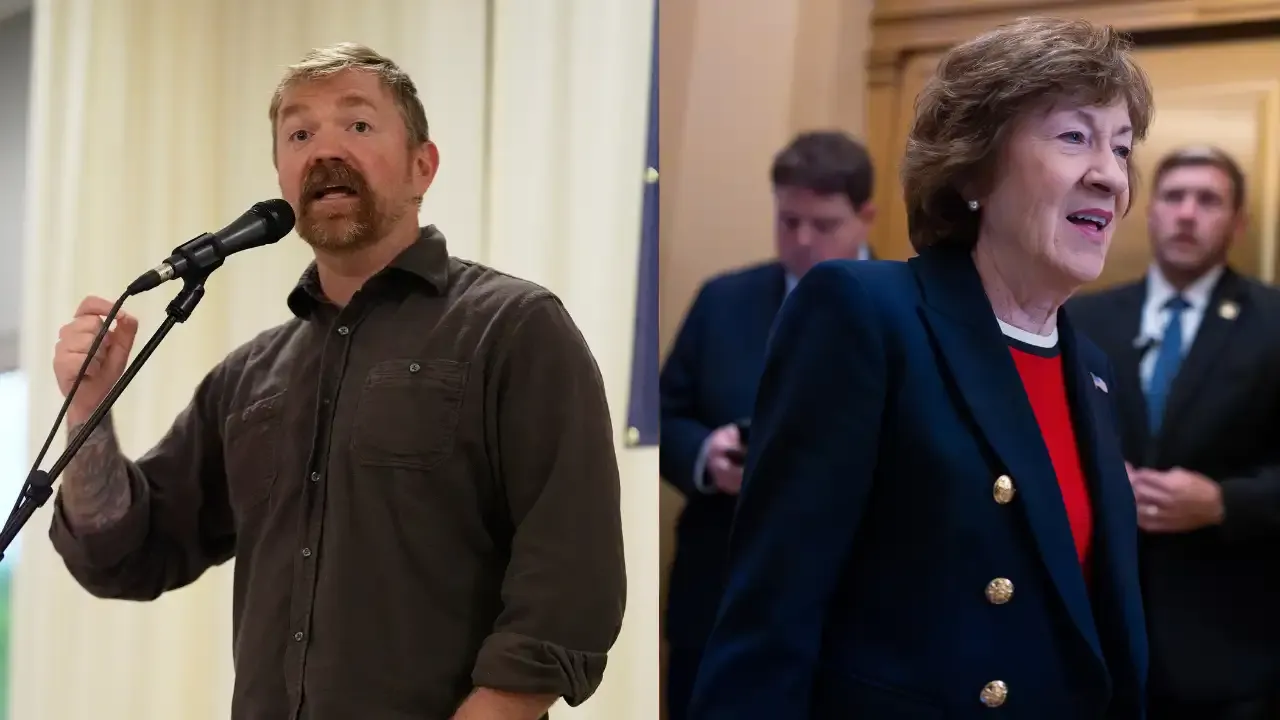
Graham Platner, Maine's Democratic Senate primary winner, has faced controversy over a chest tattoo resembling the Nazi Totenkopf symbol. Platner, an Army veteran, stated he was unaware of the tattoo's association and plans to remove or cover it. His campaign also faced criticism over online comments and allegations reported by national media. Platner has addressed these issues publicly while preparing for the general election against Susan Collins.
We measured how 2 outlets covered this story. Coverage leans balanced overall (Left 35%, Centre 63%, Right 2%). Overall sentiment is negative (32/100). Lens Score 30/100 — low public interest.
Outlets analysed (first-hand measurement by TBN's Bias Engine):
The articles present perspectives focusing on Platner's controversies without partisan framing. They include his responses and criticisms from media outlets, reflecting both scrutiny and his explanations. Coverage centers on factual reporting of allegations and Platner's statements, representing viewpoints from the candidate and external critics without overt political bias.
The tone across the articles is largely neutral to critical, emphasizing controversies and public backlash while including Platner's clarifications. The sentiment reflects scrutiny of the candidate's past actions and campaign challenges, balanced by his expressed intentions to address concerns, resulting in a mixed but factual narrative.
Each source's own headline, political lean, and sentiment — so you can see framing differences at a glance.
| Source | Their headline | Bias | Sentiment |
|---|---|---|---|
| timesnow | Graham Platner Wins Maine Senate Democratic Primary, Sets Up Clash With Susan Collins | Left | Negative |
| hindustantimes | Did Graham Platner have a Nazi Totenkopf tattoo? All about the Maine Senate candidate's controversy | Center | Neutral |
hindustantimes broke this story on 10 Jun, 12:46 am. Other outlets followed.
Well-covered story — coverage matches public importance.
Institutions and figures named across source coverage.