Skip to content
Get the Balanced News app for a better experience!
The Balanced News Logo
Analytics
The Balanced News Logo

Stay Balanced, Stay Informed

Menu
  • Browse News
  • Underreported Stories
  • Curated Feeds
  • Insights
  • Analytics
  • Our Writers
  • About Us
  • Download App
Learn
  • How It Works
  • Bias Detection
  • Lens Score
  • Source Bias Checker
  • Accountability
  • Custom Feeds
Newsroom
  • Writers & Analysts
  • About TBN
  • Editorial Standards
  • Corrections Policy
  • Our Partners
  • Insights
Socials
  • Youtube
  • Instagram
  • X
  • Facebook
News Categories
  • Trending
  • Politics
  • Sports
  • Business
  • Tech
  • Entertainment
  • Health
  • Science
  • Crime
  • Lifestyle
  • National
  • International
  • Good News
  • Crypto

Get Our App

Available for iOS and Android


LensFeedsInsightsAnalyticsTrendingGood NewsSportsPoliticsBusinessCrimeTechEntertainmentHealthNationalInternational

© 2026 The Balanced News. All rights reserved.

About UsEditorial StandardsCorrectionsHelp & SupportPrivacy PolicyTerms & Conditions
Supreme Court Recognizes Pedestrian Rights Amid Implementation Challenges in India
Categories

Categories

Related Coverage

Select a news story to see related coverage from other media outlets.

Related Coverage

Select a news story to see related coverage from other media outlets.

  1. Home
  2. /
  3. Politics

Supreme Court Recognizes Pedestrian Rights Amid Implementation Challenges in India

Analysed 6 Jul 2026·3 sources analysed·Amritsar, India·Politics
Supreme Court Recognizes Pedestrian Rights Amid Implementation Challenges in IndiaPreviousNext

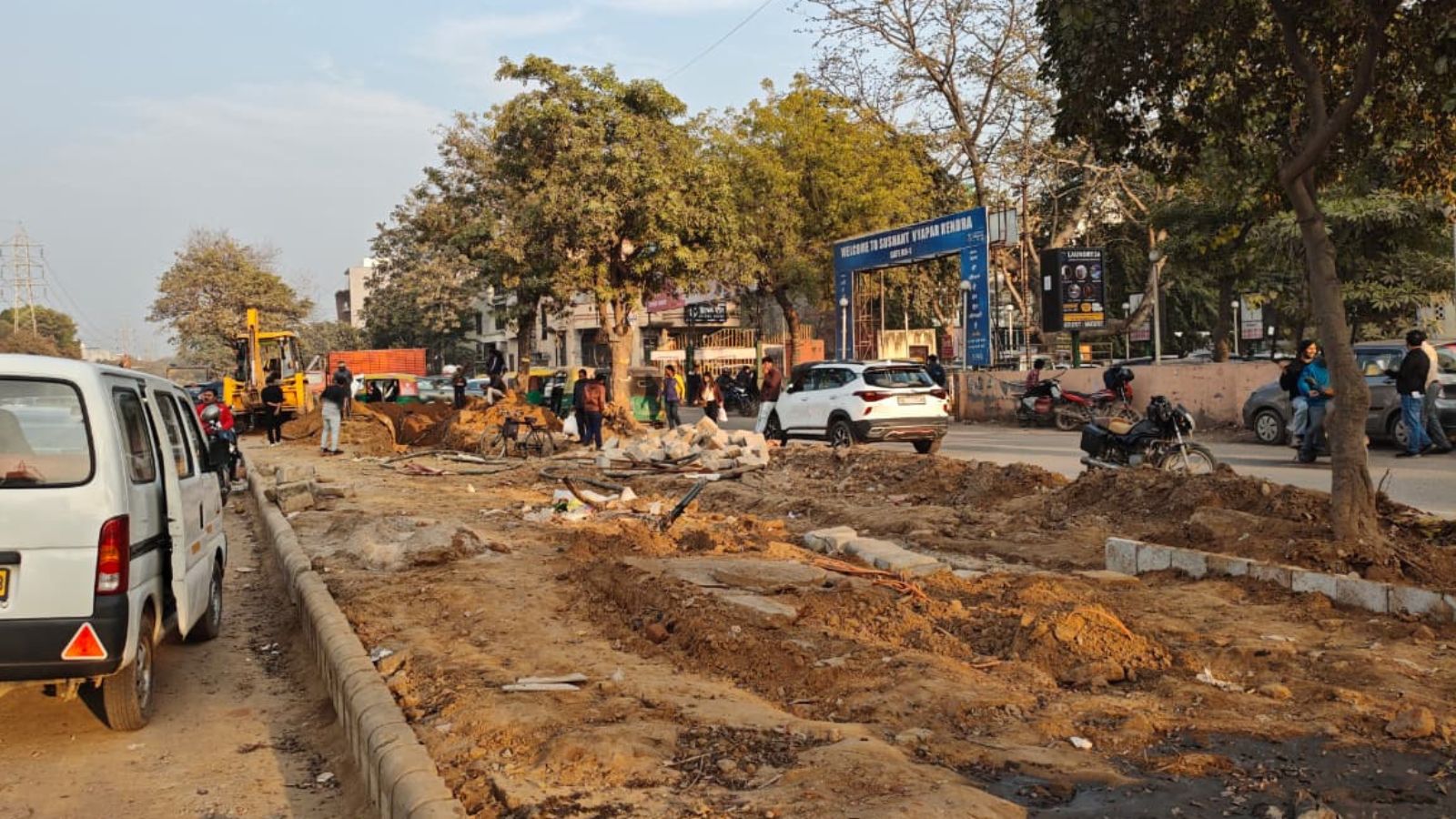
The Supreme Court of India has recognized safe pedestrian movement as a fundamental constitutional right, emphasizing the need for protected footpaths to reduce accidents. Despite this ruling, implementation challenges persist, including inadequate infrastructure and enforcement. Experts highlight the importance of civic responsibility, strict penalties for violations, and community engagement to create pedestrian-friendly environments. Cities like Chandigarh serve as examples of effective urban planning and enforcement, while awareness programs are encouraged to foster lasting commitment to pedestrian safety.

TBN's observations

First-hand measurement across 2 sources

We measured how 2 outlets covered this story. Coverage leans balanced overall (Left 20%, Centre 75%, Right 5%). Overall sentiment is neutral (58/100). Lens Score 27/100 — low public interest.

Outlets analysed (first-hand measurement by TBN's Bias Engine):

  • indianexpress— balanced framing, neutral sentiment
  • thetribune— balanced framing, neutral sentiment
Political Bias
20%75%5%
Sentiment
58%
AI analysis of 2 sources · Published under editorial oversight by The Balanced News
Analysed 6 Jul 2026· How this analysis is produced· Editorial standards· Corrections

AI Analysis

Political bias across 3 sources
● Left 20%● Center 75%● Right 5%

The articles present a largely neutral perspective focused on legal and civic aspects of pedestrian safety. They highlight the Supreme Court's ruling and its implications without partisan framing. The coverage includes government responsibilities, community roles, and enforcement issues, reflecting a balanced view of institutional and societal factors without political polarization.

Sentiment — Neutral (58/100)

The overall tone is cautiously optimistic, acknowledging the Supreme Court's positive legal step while noting ongoing implementation gaps. The sentiment balances concern over pedestrian safety risks with constructive suggestions for improvement, emphasizing civic duty and successful examples, resulting in a mixed but forward-looking coverage.

How 2 sources covered this story

Each source's own headline, political lean, and sentiment — so you can see framing differences at a glance.

Reviewed byPrajakta Kale· Political Analyst· Edited byOjas Kale
← Previous
Authorities Address Delays and Allegations in Andhra Pradesh Voter Roll Revision
Next →
'Satluj' Film Removal Sparks Dispute Between AAP and Shiromani Akali Dal in Punjab
SourceTheir headlineBiasSentiment
indianexpressOur right to walk is as broken as India's footpathsCenterNeutral
thetribuneDespite SC ruling, implementation gaps remain - The TribuneCenterNeutral

Coverage timeline

thetribune broke this story on 5 Jul, 08:28 pm. Other outlets followed.

  1. 1
    thetribune5 Jul, 08:28 pm
    Despite SC ruling, implementation gaps remain - The Tribune
  2. 2
    indianexpress6 Jul, 10:01 am
    Our right to walk is as broken as India's footpaths

Lens Score breakdown

27/100
Public interest0/100
Coverage gap100%

Well-covered story — coverage matches public importance.

Accountability flags

TBN's analysis identified the following accountability dimensions in this story.

  • systemic failure

    This story points to a failure in institutional processes — regulation, safety, oversight, or service delivery breaking down at scale.

  • public safety issue

    This story involves a risk to public safety — infrastructure failure, regulatory lapse, hazardous conditions, or emergency mishandling.

Who's involved

Institutions and figures named across source coverage.

Government
Municipal CorporationMunicipal SquadsUrban Development AuthoritiesPanchayatsCity AdministratorsPoliceSupreme Court
Enforcement
Police
Judiciary
Supreme Court

Story context

Category
Politics
Location
Amritsar, India
Sources analysed
3
Last analysed
6 Jul 2026
Key entities
IndiaPedestrianSupreme Court of IndiaFootpathWalkabilityFundamental rightsPolyesterTileCottonTrousersT-shirtVidya Sinha