2 hours agoPolitics
28LENS
14 SourcesIslamabad, Pakistan
 thebalanced.news
Trump Vows to Reopen Strait of Hormuz Amid US-Iran Peace Talks in Pakistan
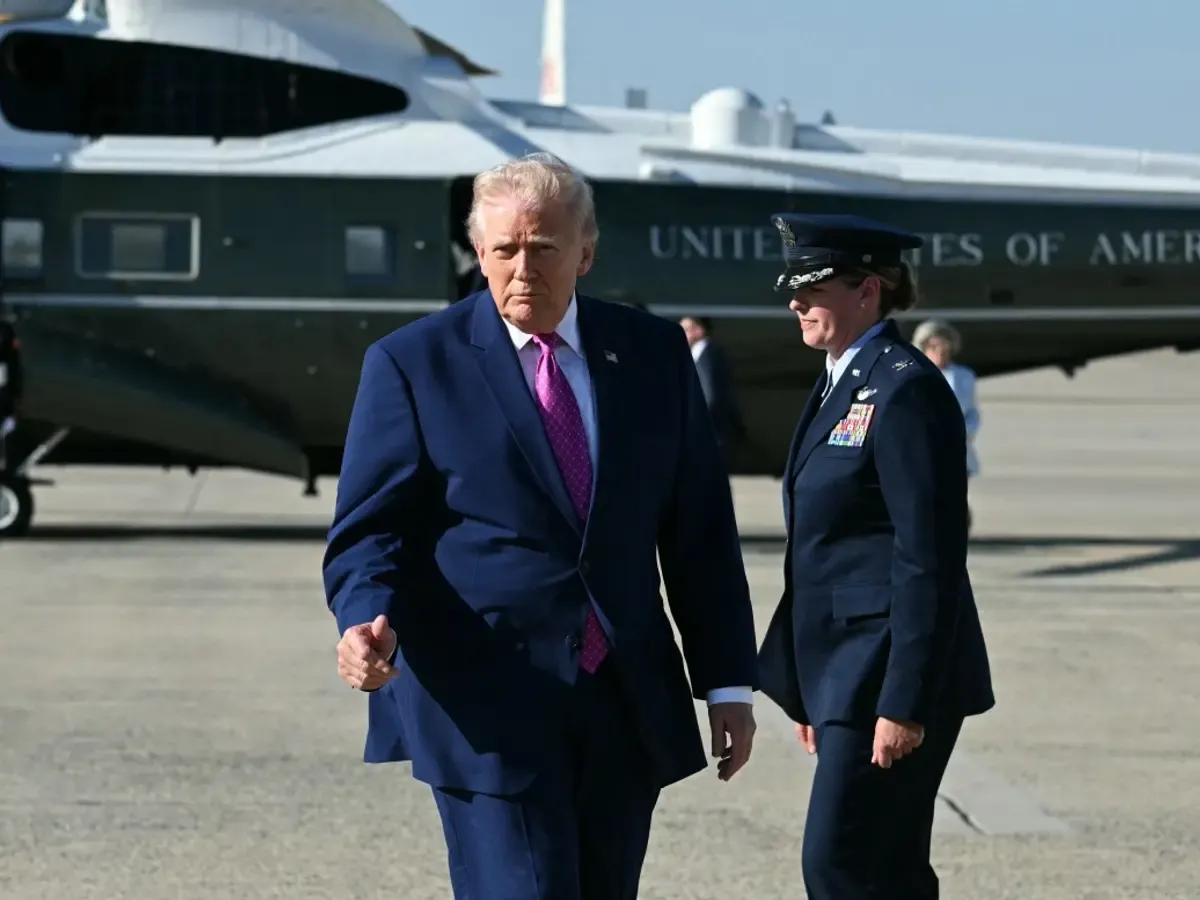
US President Donald Trump announced that the United States will reopen the Strait of Hormuz "fairly soon," with or without Iran's cooperation, emphasizing that preventing Iran from acquiring nuclear weapons remains the top priority. Trump acknowledged the challenge ahead and indicated that other countries would assist, though he did not specify which. Vice President JD Vance was dispatched to Pakistan to lead peace talks with Iranian officials following a fragile two-week ceasefire. Trump also rejected Iran's attempts to charge tolls on the strait, calling it international waters.
Political Bias
9%84%7%
Sentiment
42%
21 stories available
View AI Analysis
Bias Analysis: The article group primarily reflects the US administration's perspective, focusing on President Trump's statements and diplomatic efforts led by Vice President JD Vance. Coverage includes US assertions of Iran's military defeat and emphasis on nuclear non-proliferation. Iranian viewpoints are mentioned mainly through delegation details and cautious negotiation stances, with limited direct Iranian commentary. The framing centers on US policy and strategic priorities without extensive critique or alternative regional perspectives.
Sentiment: The overall tone across the articles is cautiously optimistic but firm, highlighting US confidence in reopening the Strait of Hormuz and advancing peace talks. While acknowledging difficulties and ongoing tensions, the coverage conveys a sense of determination and diplomatic engagement. There is a mix of assertive language regarding Iran's position and the US's readiness to act, balanced by references to fragile ceasefire efforts and the complexity of negotiations.
Lens Score: 28/100 — Story is well-covered by media outlets. Public interest: 0/100. Coverage gap: 90%.
Related Coverage
Select a news story to see related coverage from other media outlets.