Allegations of Military-Backed Election Manipulation Surface Ahead of Gilgit-Baltistan Polls
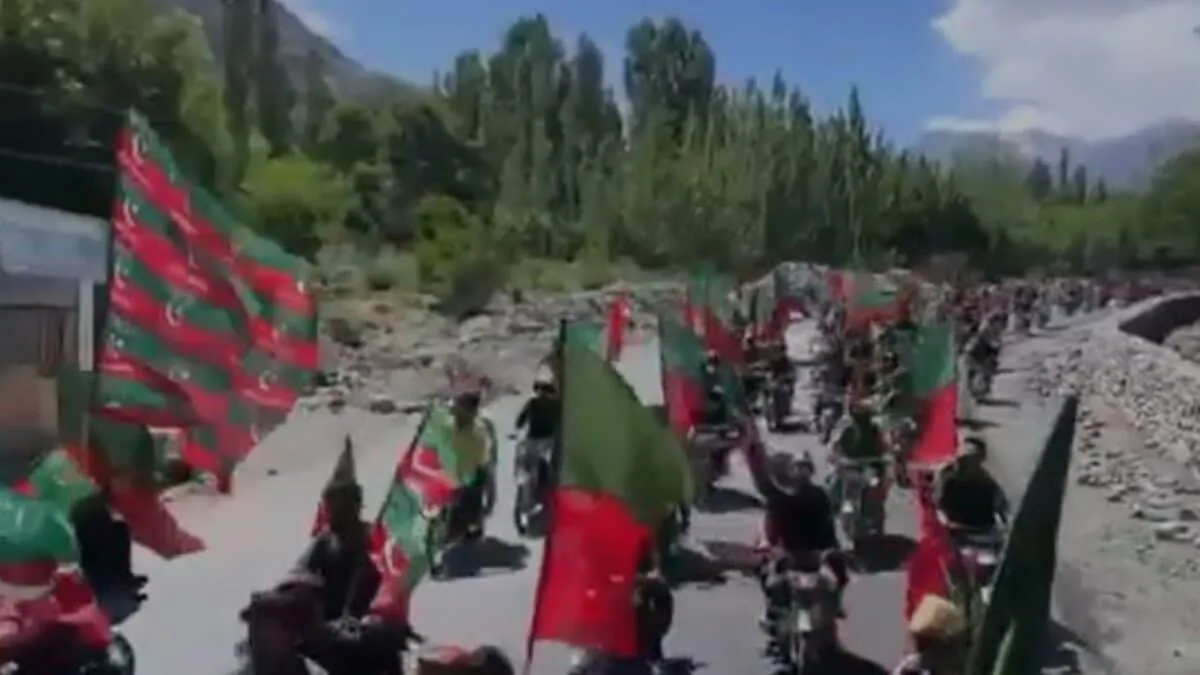
Ahead of the June 7 Gilgit-Baltistan polls, opposition leaders and local groups have accused Pakistan's military establishment of orchestrating a pre-election crackdown, restricting campaigning, and supporting candidates linked to the banned Lashkar-e-Taiba through the Pakistan Markazi Muslim League. These allegations raise concerns about electoral manipulation, sectarian polarization in the Shia-majority region, and restrictions on opposition parties, including Pakistan Tehreek-e-Insaf and allied groups. The controversy has intensified debates on political freedom and election transparency in this strategically important area.
First-hand measurement across 2 sources
We measured how 2 outlets covered this story. Coverage leans left-leaning overall (Left 65%, Centre 30%, Right 5%). Overall sentiment is negative (28/100). Lens Score 38/100 — moderate-to-low public interest.
Outlets analysed (first-hand measurement by TBN's Bias Engine):
- news18— left-leaning framing, negative sentiment
- news18— left-leaning framing, negative sentiment
AI Analysis
The articles primarily present perspectives critical of Pakistan's military establishment, highlighting accusations from opposition parties and local groups about election interference and candidate backing. While the military's role is scrutinized, the coverage reflects concerns from multiple political actors, including PTI and regional activists, without official military responses, indicating a focus on opposition viewpoints and local political dynamics.
The overall tone across the articles is critical and concerned, emphasizing allegations of electoral manipulation, campaign restrictions, and sectarian tensions. The sentiment reflects apprehension about democratic processes and political freedoms in Gilgit-Baltistan, with no positive or supportive commentary on the military's actions, resulting in a predominantly negative coverage tone.