India and Japan Deepen Strategic and Economic Partnership Amid Regional Shifts
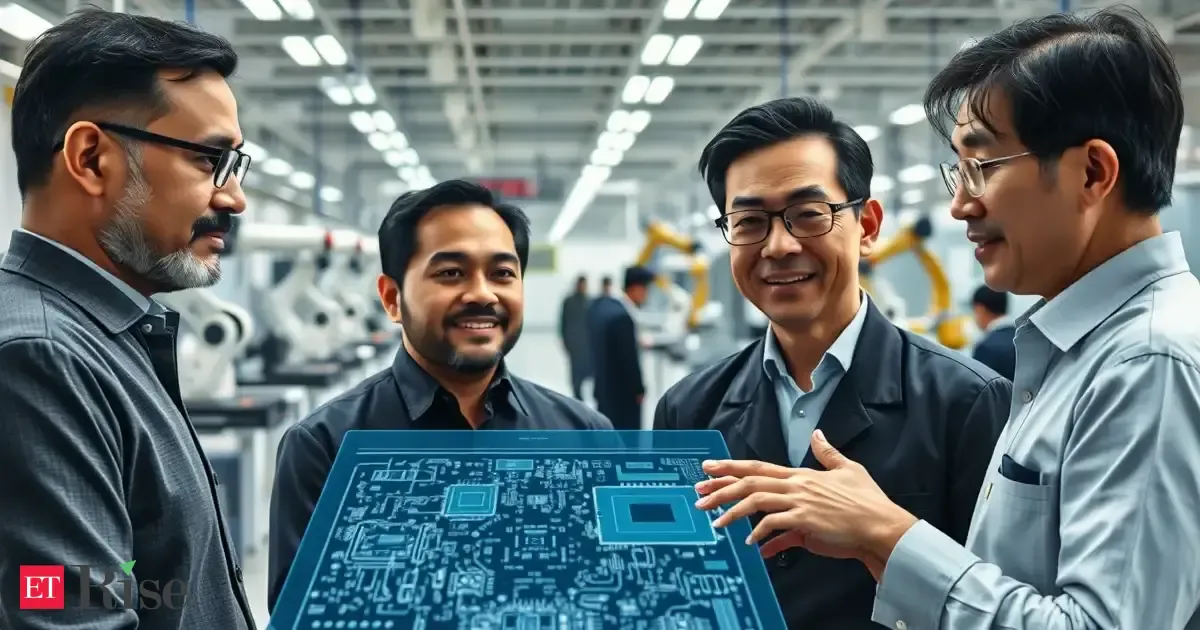
Japanese Prime Minister Sanae Takaichi's visit to India highlights deepening India-Japan ties focused on economic cooperation, technology transfer, and strategic partnerships beyond tariff issues. Both countries aim to strengthen collaboration in sectors like MSMEs, AI, energy, and critical minerals, while reducing dependence on China. The partnership also emphasizes development in India's Northeast and aligns with Japan's Free and Open Indo-Pacific vision. However, some voices urge India to maintain strategic autonomy and avoid overt anti-China alignment amid evolving geopolitical dynamics.
First-hand measurement across 11 sources
We measured how 11 outlets covered this story. Coverage leans balanced overall (Left 10%, Centre 82%, Right 8%). Overall sentiment is positive (72/100). Lens Score 33/100 — low public interest.
Outlets analysed (first-hand measurement by TBN's Bias Engine):
- english— balanced framing, positive sentiment
- theprint— balanced framing, positive sentiment
- firstpost— balanced framing, positive sentiment
- economictimes— balanced framing, positive sentiment
- indianexpress— balanced framing, positive sentiment
- ndtv— balanced framing, positive sentiment
- ndtv— balanced framing, positive sentiment
- news18— balanced framing, positive sentiment
AI Analysis
The article group presents multiple perspectives on India-Japan relations, including government views emphasizing strategic and economic cooperation, industry insights on MSME collaboration, and opinion pieces cautioning against aligning too closely with Japan's regional strategy against China. Sources reflect a balance between highlighting partnership benefits and advocating for India's strategic autonomy, capturing both diplomatic enthusiasm and geopolitical caution.
Coverage across the articles is generally positive about the strengthening India-Japan relationship, focusing on opportunities in trade, technology, and regional development. However, the tone includes measured caution regarding geopolitical implications, especially concerning China, resulting in a mixed but constructive sentiment that acknowledges both promise and complexity in the partnership.