US-Iran Talks Begin Amid Disputes Over Iran's Ballistic Missile Program
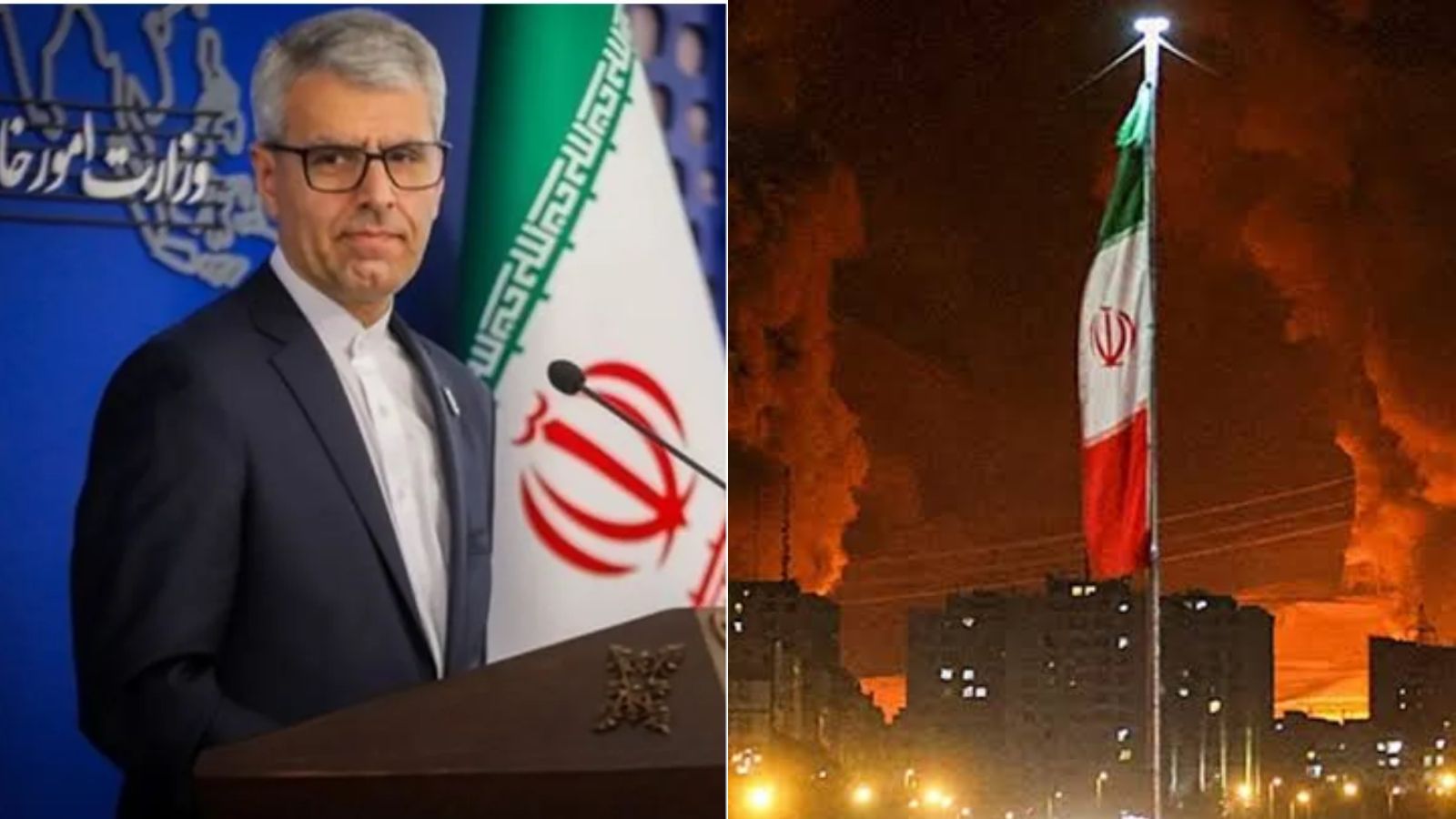
The recent 60-day US-Iran negotiation window began following a memorandum of understanding, but Iran firmly stated its ballistic missile program is non-negotiable, reaffirming its defensive stance. US President Trump expressed willingness to allow Iran some missiles, a position criticized by Israeli officials and US Senator Mark Warner, who highlighted unresolved issues including Iran's missile capabilities and regional proxies. The agreement's impact remains debated amid concerns over Iran's strengthened regional position and ongoing security challenges.
First-hand measurement across 3 sources
We measured how 3 outlets covered this story. Coverage leans balanced overall (Left 33%, Centre 59%, Right 8%). Overall sentiment is neutral (38/100). Lens Score 31/100 — low public interest.
Outlets analysed (first-hand measurement by TBN's Bias Engine):
- indianexpress— balanced framing, neutral sentiment
- news18— balanced framing, neutral sentiment
- easternmirror— left-leaning framing, negative sentiment
AI Analysis
The article group presents multiple perspectives: Iran's official stance rejecting missile negotiations; US President Trump's more conciliatory position allowing some missiles; and critical views from Israeli officials and a US Democratic senator emphasizing unresolved security concerns. Coverage reflects a mix of government statements and political critiques, illustrating differing national and political interests without overt bias.
The overall tone is cautious and critical, highlighting tensions and unresolved issues in the US-Iran negotiations. While Iran's firm position and Trump's unexpected remarks are reported neutrally, the inclusion of criticism from Israeli leaders and a US senator introduces a skeptical sentiment about the agreement's effectiveness and regional security implications.