Tsinghua University Report Highlights China's Perceived External Security Risks for 2026
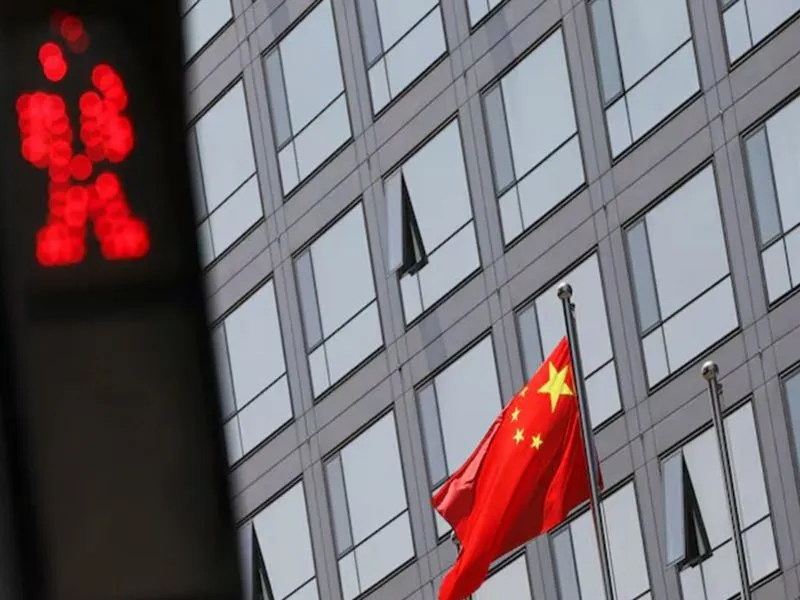
The International Security and Strategy Center at Tsinghua University released its 2026 threat assessment outlining key external risks perceived by China. The report identifies cross-strait relations with Taiwan as the primary security concern, citing Taiwan independence movements, U.S. arms sales, and Japan's increasing involvement. It also highlights potential cyberattacks on Taiwan's infrastructure and diplomatic visits by European leaders as low-probability but high-impact triggers that could escalate tensions. The assessment reflects the Chinese Communist Party's cautious stance on regional security.
First-hand measurement across 2 sources
We measured how 2 outlets covered this story. Coverage leans balanced overall (Left 5%, Centre 93%, Right 2%). Overall sentiment is neutral (40/100). Lens Score 27/100 — low public interest.
Outlets analysed (first-hand measurement by TBN's Bias Engine):
- news18— balanced framing, neutral sentiment
- thetribune— balanced framing, neutral sentiment
AI Analysis
The articles present China's security concerns primarily from the perspective of a Chinese academic think tank, reflecting the official viewpoint of the Chinese Communist Party. They emphasize perceived threats from Taiwan, the U.S., Japan, and European countries without incorporating counterviews from these actors. The framing centers on China's defensive posture, with limited external critique or alternative interpretations.
The tone across the articles is cautious and analytical, focusing on potential risks and security challenges without emotive language. The coverage is neutral, outlining threats as identified by the Chinese think tank without sensationalism or alarmism. It neither endorses nor disputes the threat perceptions, maintaining an objective stance.
How 2 sources covered this story
Each source's own headline, political lean, and sentiment — so you can see framing differences at a glance.