INDIA Bloc Meets in Delhi Amid Internal Tensions, Plans Unified Opposition Strategy
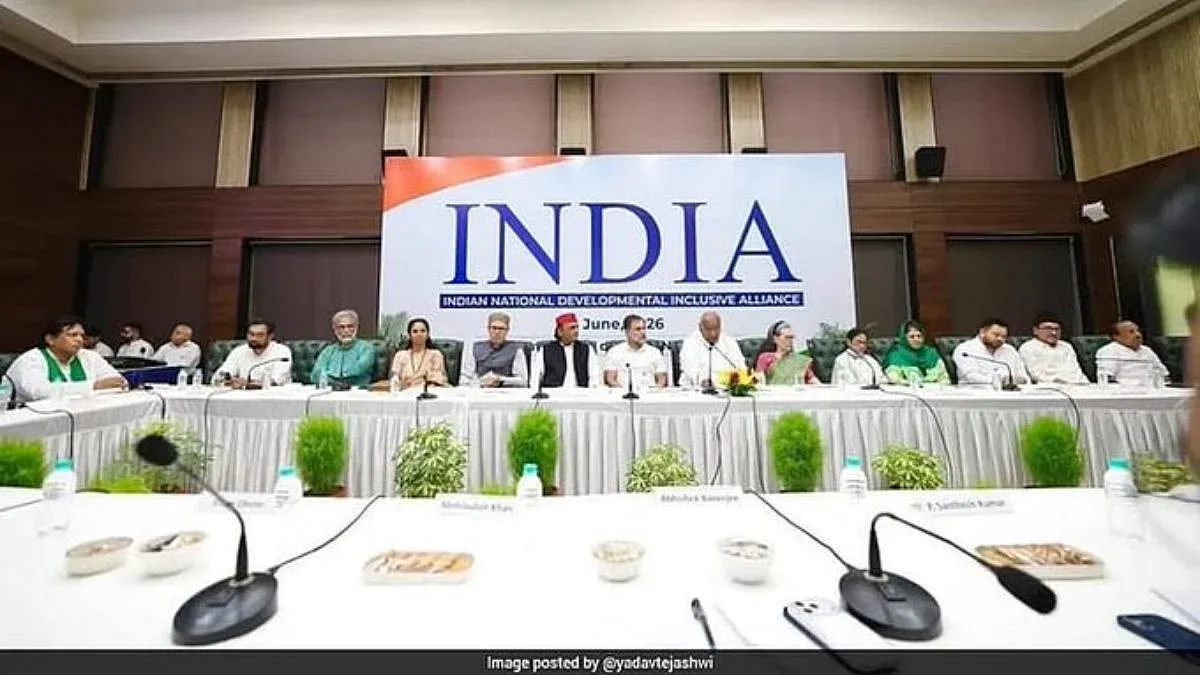
The INDIA bloc convened in New Delhi with 23 opposition parties aiming to strengthen unity and strategize against the BJP ahead of the 2029 Lok Sabha elections. Despite efforts to present a united front, internal tensions surfaced, notably over Congress's break with DMK and criticism from allies like AAP and Left parties. Leaders, including Rahul Gandhi and Mamata Banerjee, emphasized solidarity and addressing electoral concerns such as alleged vote manipulation and the Special Intensive Revision (SIR). The bloc agreed on a five-point plan, including petitioning the Chief Justice on electoral issues and demanding the resignation of the education minister. While some parties boycotted or distanced themselves, the alliance committed to regular meetings to coordinate opposition efforts.
First-hand measurement across 15 sources
We measured how 15 outlets covered this story. Coverage leans left-leaning overall (Left 63%, Centre 32%, Right 5%). Overall sentiment is neutral (42/100). Lens Score 38/100 — moderate-to-low public interest.
Outlets analysed (first-hand measurement by TBN's Bias Engine):
- thetelegraph— left-leaning framing, neutral sentiment
- thestatesman— left-leaning framing, neutral sentiment
- thehindu— left-leaning framing, neutral sentiment
- freepressjournal— left-leaning framing, neutral sentiment
- indiatoday— left-leaning framing, neutral sentiment
- thehitavadacom— left-leaning framing, negative sentiment
- thehitavadacom— left-leaning framing, neutral sentiment
- indianexpress— left-leaning framing, neutral sentiment
AI Analysis
The article group reflects a range of opposition perspectives, primarily focusing on the INDIA bloc's internal dynamics. Sources include Congress leaders emphasizing unity and leadership, regional parties expressing grievances over Congress's approach, and critiques from parties like AAP and Left factions. Coverage also includes government-aligned voices criticizing the opposition's cohesion. This mix presents both supportive and critical views of the alliance without privileging any single political stance.
The overall tone across the articles is mixed, balancing calls for unity and strategic cooperation with candid acknowledgment of internal disputes and electoral setbacks. While opposition leaders express determination and solidarity, there is also notable criticism and frustration within the bloc. Government-aligned sources convey a negative view of the opposition's effectiveness. This blend results in a nuanced sentiment reflecting both hope for collaboration and recognition of challenges.