Congress Calls for Balanced Foreign Policy Amid US-Iran Deal and Regional Challenges
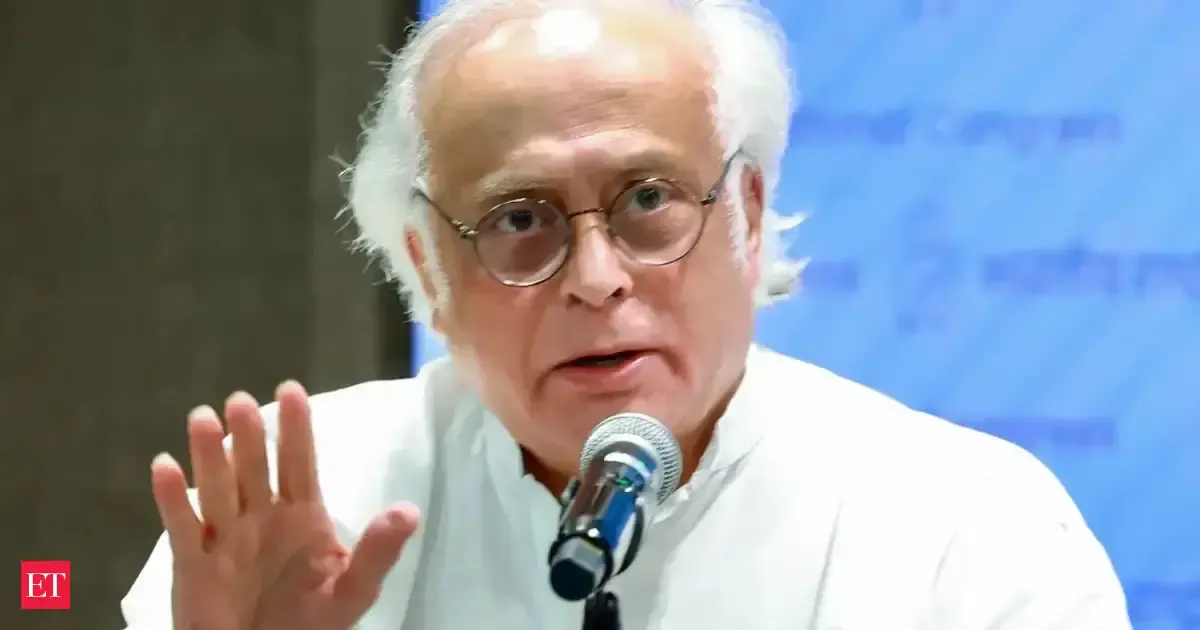
The Congress party criticized Prime Minister Modi's foreign policy, highlighting Pakistan's growing regional and global influence and China's strategic ties with Pakistan as significant challenges for India. Congress leader Jairam Ramesh welcomed the upcoming US-Iran peace agreement scheduled for June 19 in Geneva, hoping it leads to lasting normalization despite its interim nature. While the reopening of the Strait of Hormuz is seen as beneficial, Ramesh cautioned that India's economic issues, including currency pressure and low private investment, predate recent West Asia conflicts and require broader policy attention. The Congress called for a more balanced approach to Israel in India's foreign relations.
First-hand measurement across 8 sources
We measured how 8 outlets covered this story. Coverage leans left-leaning overall (Left 69%, Centre 25%, Right 6%). Overall sentiment is neutral (34/100). Lens Score 44/100 — moderate-to-low public interest.
Outlets analysed (first-hand measurement by TBN's Bias Engine):
- theprint— left-leaning framing, negative sentiment
- english— left-leaning framing, negative sentiment
- thequint— left-leaning framing, neutral sentiment
- thetelegraph— left-leaning framing, neutral sentiment
- httpswwwoutlookindiacom— left-leaning framing, negative sentiment
- httpswwwoutlookindiacom— left-leaning framing, negative sentiment
- thehindu— left-leaning framing, negative sentiment
- economictimes— left-leaning framing, negative sentiment
AI Analysis
The article group predominantly features the Congress party's critical perspective on the Modi government's foreign policy, emphasizing concerns about Pakistan-China relations and India's stance on Israel. It includes official statements from Congress leaders, particularly Jairam Ramesh, while also noting Prime Minister Modi's welcoming of the US-Iran peace deal. The coverage reflects opposition viewpoints challenging the current government's approach without extensive representation of government defenses or alternative perspectives.
The overall tone across the articles is critical yet measured, focusing on concerns raised by the opposition regarding geopolitical and economic issues. While the US-Iran peace deal is welcomed as a positive development, the sentiment toward the government's foreign policy is largely negative, highlighting perceived imbalances and economic challenges. The coverage balances acknowledgment of hopeful diplomatic progress with caution about ongoing structural problems.