Lok Sabha Speaker Approves Separate Seating for Rebel TMC MPs Amid Opposition Walkout
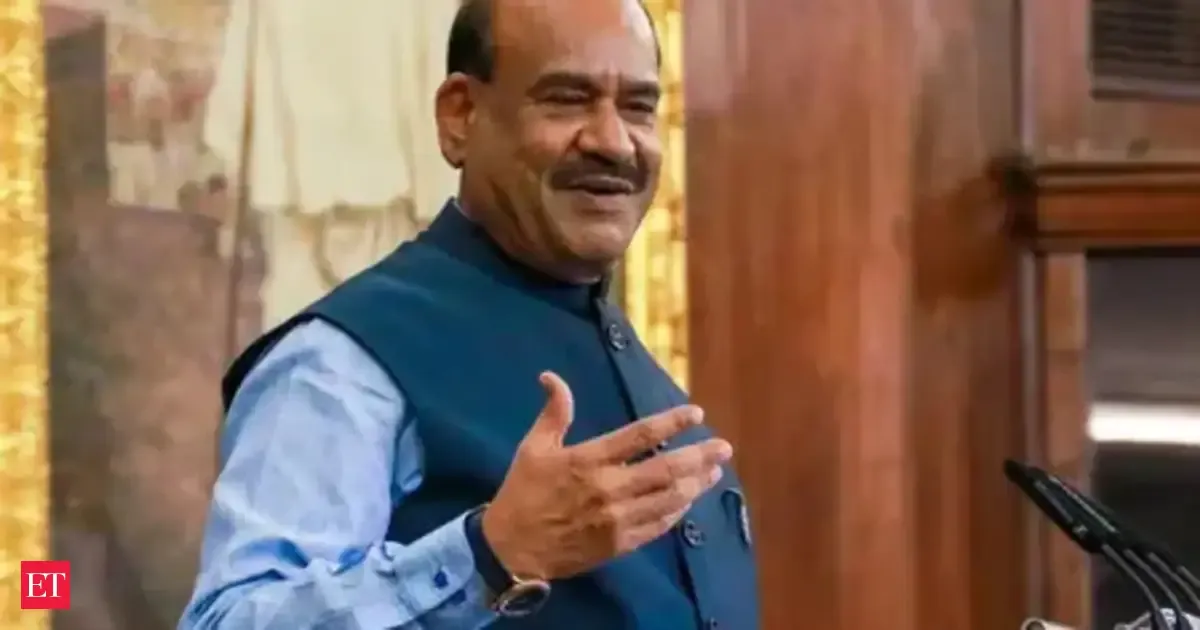
Ahead of the Monsoon Session of Parliament starting July 20, Lok Sabha Speaker Om Birla approved separate seating for 20 rebel Trinamool Congress (TMC) MPs who joined the National Citizens Party of India (NCPI). Parliamentary Affairs Minister Kiren Rijiju invited the NCPI leaders to the customary all-party meeting, prompting a symbolic walkout by opposition parties protesting the rebels' inclusion before formal recognition. The opposition questioned the legitimacy of the NCPI merger and pending disqualification petitions, while the government defended inviting all groups seeking recognition to ensure smooth parliamentary functioning.
First-hand measurement across 15 sources
We measured how 15 outlets covered this story. Coverage leans centre-left overall (Left 51%, Centre 37%, Right 12%). Overall sentiment is neutral (40/100). Lens Score 36/100 — moderate-to-low public interest.
Outlets analysed (first-hand measurement by TBN's Bias Engine):
- thetelegraph— left-leaning framing, negative sentiment
- wion— centre-left framing, neutral sentiment
- economictimes— balanced framing, neutral sentiment
- news18— balanced framing, neutral sentiment
- news18— left-leaning framing, neutral sentiment
- zeenews— balanced framing, neutral sentiment
- thetelegraph— balanced framing, neutral sentiment
- news18— left-leaning framing, neutral sentiment
AI Analysis
The article group presents perspectives from both the ruling government and opposition parties. Government sources emphasize procedural legitimacy and inclusivity, highlighting the rebel MPs' request for recognition and the duty to invite all groups. Opposition voices focus on legal and procedural concerns, disputing the rebels' status and criticizing the government's move as premature. Coverage includes statements from key political figures across parties, reflecting the political contention surrounding the issue.
The overall tone across the articles is mixed, combining neutral reporting of parliamentary procedures with critical reactions from opposition parties. The government's stance is presented in a factual and defensive manner, while opposition responses convey dissatisfaction and protest. The walkout and ensuing political drama introduce tension, but the narrative remains balanced without sensationalism, focusing on the unfolding parliamentary developments.