India Nears Approval for Integrated Theatre Commands to Restructure Military Operations
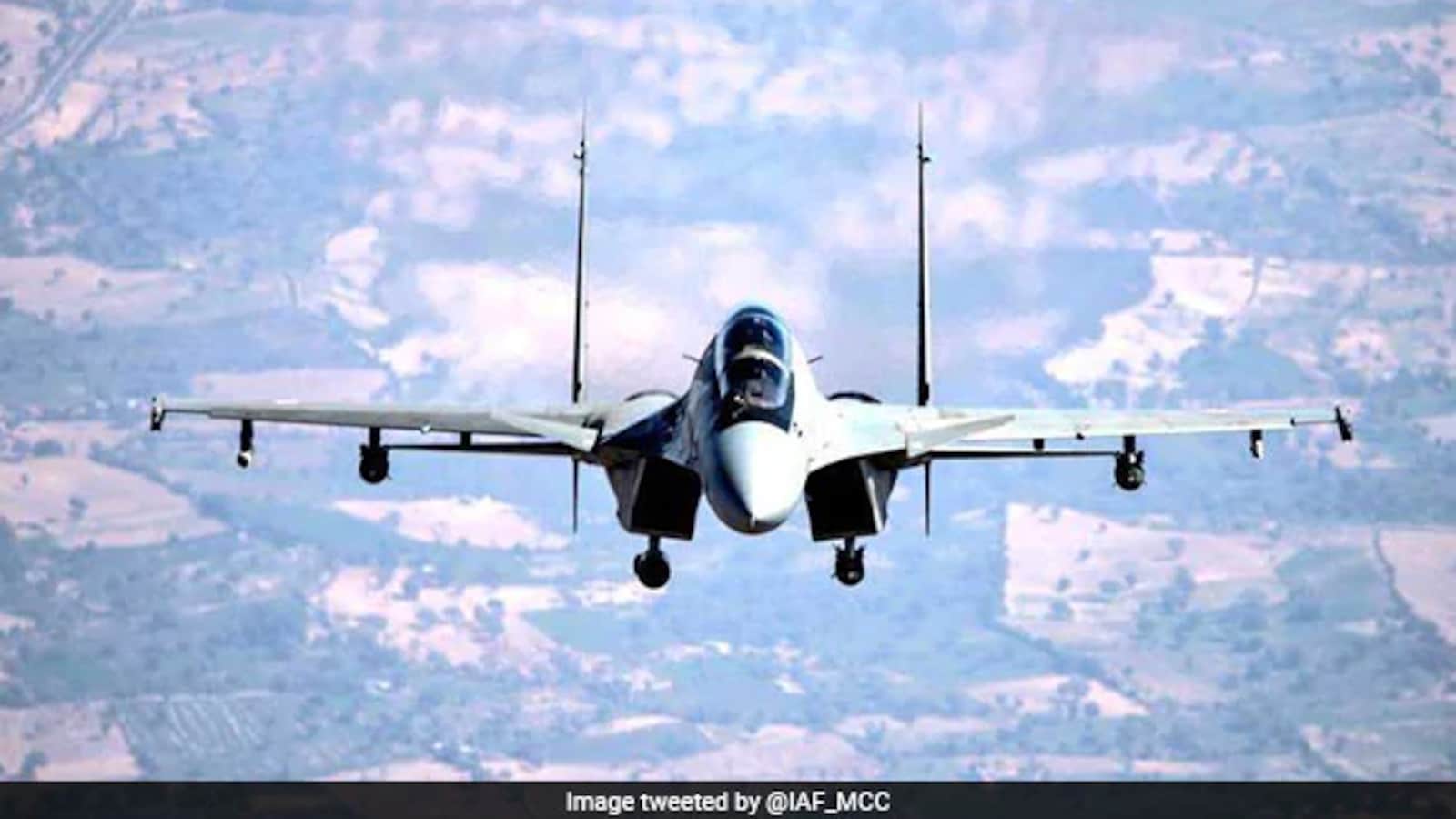
India is poised to implement integrated theatre commands, a major military reform aimed at unifying the Army, Navy, and Air Force under single operational commanders for defined geographic regions. The plan, developed over several years and finalized by former CDS General Anil Chauhan, is expected to be presented by current CDS General N.S. Raja Subramani to Defence Minister Rajnath Singh for approval. It proposes three primary commands focused on the northern border with China, the western border with Pakistan, and maritime security, each led by a four-star officer. The reform seeks to enhance jointness, operational efficiency, and rapid response, though some service headquarters express concerns over reduced operational roles. Final clearance will require Cabinet Committee on Security approval.
First-hand measurement across 10 sources
We measured how 10 outlets covered this story. Coverage leans balanced overall (Left 8%, Centre 86%, Right 6%). Overall sentiment is positive (68/100). Lens Score 34/100 — low public interest.
Outlets analysed (first-hand measurement by TBN's Bias Engine):
- republicworld— balanced framing, positive sentiment
- wion— balanced framing, positive sentiment
- firstpost— balanced framing, positive sentiment
- zeenews— balanced framing, neutral sentiment
- news18— balanced framing, positive sentiment
- wion— balanced framing, positive sentiment
- wion— balanced framing, positive sentiment
- swarajyamag— balanced framing, positive sentiment
AI Analysis
The article group presents a range of perspectives primarily from official and military sources, focusing on the strategic and operational aspects of the theatre commands reform. Coverage includes government and military leadership viewpoints supporting the reform as necessary for modernization, alongside mentions of internal service concerns about power redistribution. The framing is largely technical and policy-oriented, with limited partisan or ideological commentary.
The overall tone across the articles is cautiously optimistic, emphasizing the reform's potential to improve India's military effectiveness and joint operations. While acknowledging challenges and resistance within service branches, the coverage remains neutral and factual, highlighting the significance of the reform without sensationalism or undue criticism.