Iranian Envoy Highlights Challenges and Prospects of US-Iran Peace Agreement
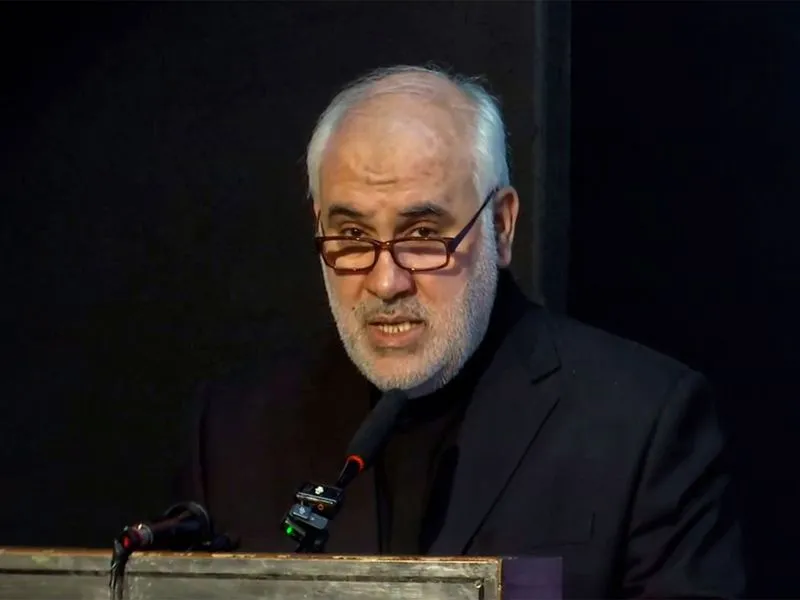
Iran's Ambassador to India, Mohammad Fathali, highlighted that the main obstacles to Iran's economic normalization stem from the confrontational and destabilizing policies of the Zionist regime, which hinder regional cooperation and trust. He emphasized Iran's readiness for peaceful engagement based on mutual respect and noted that the recent US-Iran peace agreement aims to end military conflicts and promote economic ties. Fathali stressed that the sustainability of this accord depends on mutual accountability and adherence to commitments by all parties involved.
First-hand measurement across 3 sources
We measured how 3 outlets covered this story. Coverage leans centre-left overall (Left 50%, Centre 47%, Right 3%). Overall sentiment is neutral (52/100). Lens Score 35/100 — moderate-to-low public interest.
Outlets analysed (first-hand measurement by TBN's Bias Engine):
- thetribune— left-leaning framing, neutral sentiment
- thetribune— balanced framing, positive sentiment
- thetribune— left-leaning framing, neutral sentiment
AI Analysis
The articles primarily present the Iranian government's perspective through Ambassador Fathali, focusing on Iran's stance regarding regional conflicts and economic normalization. The narrative attributes obstacles mainly to the Zionist regime's policies and external provocations, reflecting Iran's official viewpoint. The coverage includes references to the US-Iran peace deal, emphasizing diplomatic efforts without presenting opposing views from other stakeholders.
The overall tone across the articles is cautiously optimistic, emphasizing diplomatic progress and Iran's commitment to peace and cooperation. However, the sentiment also reflects criticism of the Zionist regime's policies as impediments to normalization. The coverage balances acknowledgment of challenges with hope for sustained peace, resulting in a mixed but constructive sentiment.