Karnataka's Special Intensive Revision Faces Allegations and Denials from BJP and Congress
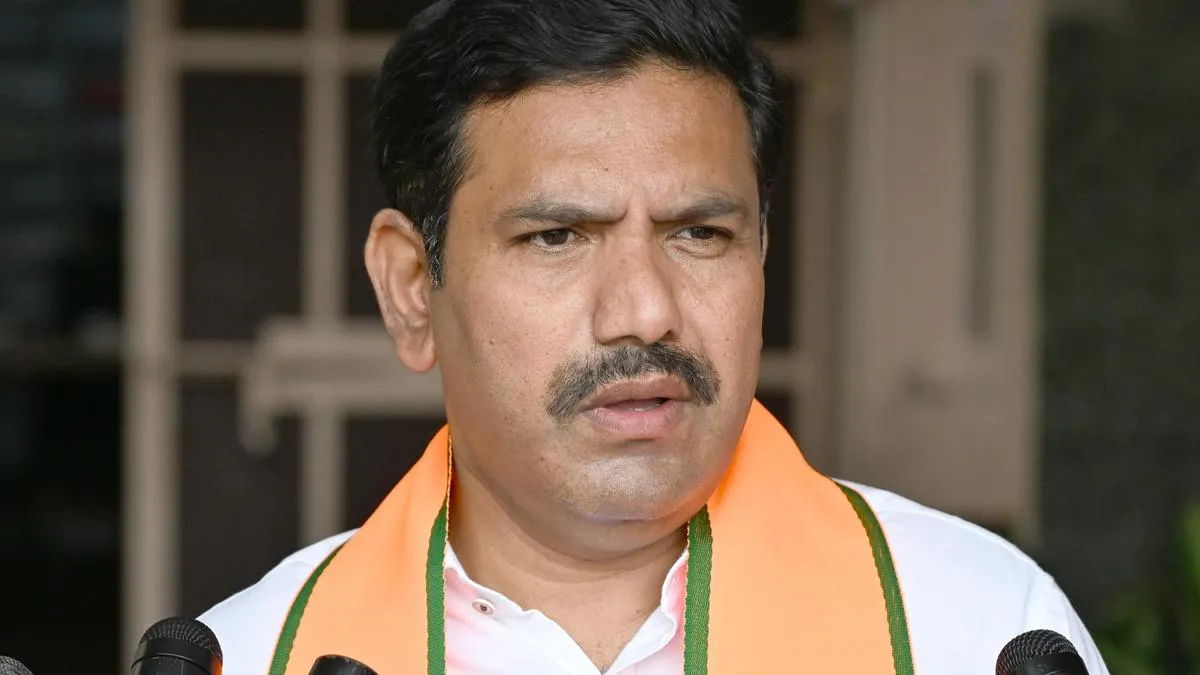
The Special Intensive Revision (SIR) of electoral rolls in Karnataka has sparked controversy, with BJP leaders alleging violations such as door-to-door verification being replaced by mass form filling at public places and pressure on Booth Level Officers (BLOs) by the ruling Congress to enroll ineligible voters. Opposition parties and citizen groups have demanded investigations and fresh enumeration in affected areas. The Congress denies manipulation claims, asserting adherence to Election Commission guidelines and accusing the BJP of misleading the public. Chief Minister DK Shivakumar emphasized lawful protests and urged voters to protect their rights amid the dispute.
First-hand measurement across 2 sources
We measured how 2 outlets covered this story. Coverage leans left-leaning overall (Left 51%, Centre 30%, Right 19%). Overall sentiment is neutral (38/100). Lens Score 45/100 — moderate-to-low public interest.
Outlets analysed (first-hand measurement by TBN's Bias Engine):
- thehindu— left-leaning framing, neutral sentiment
- thehindu— right-leaning framing, neutral sentiment
AI Analysis
The article group presents perspectives primarily from the BJP and its allies, who allege procedural violations and political interference in the SIR process, and from the Congress, which denies these claims and accuses the opposition of politicizing the exercise. Citizen groups and JD(S) voices also contribute concerns about irregularities. Coverage reflects typical opposition-government framing, with both sides attributing motives and questioning each other's conduct.
The overall tone across the articles is mixed, combining critical allegations from opposition parties and citizen groups with defensive responses from the ruling Congress and government officials. While the BJP and JD(S) express concern and suspicion about the process, Congress leaders emphasize legality and fairness, resulting in a contentious but balanced sentiment reflecting political dispute rather than consensus or resolution.