Punjab Government Reverses Opposition to G RAM G Scheme Amid Rising Debt Concerns
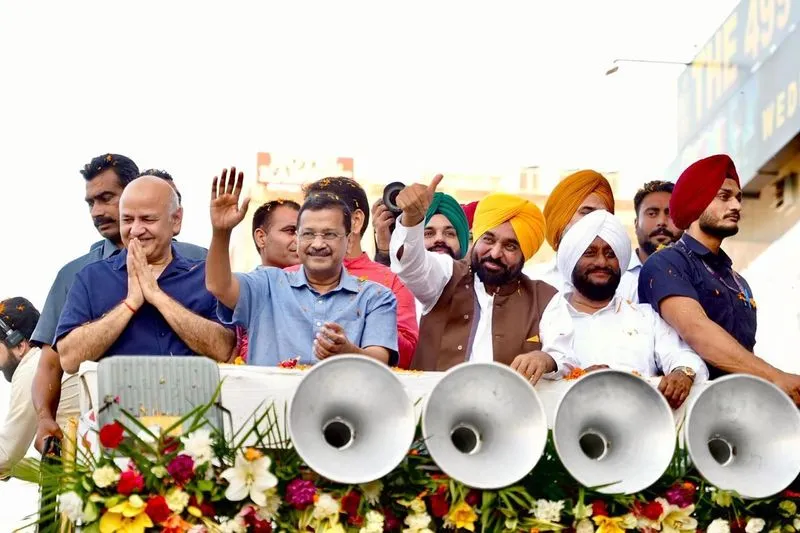
Punjab faces significant fiscal challenges, with its debt rising from Rs 2.83 lakh crore in 2022 to a projected Rs 4.17 lakh crore and a debt-to-GSDP ratio nearing 46%, the highest per capita debt in India. Amid these financial pressures, the Aam Aadmi Party government reversed its earlier opposition to the Centre's G RAM G scheme, opting to implement it from July 1, 2026, to secure approximately Rs 750-800 crore in central funds. The government had previously criticized the scheme for diluting rural employment rights but cited financial necessity for the policy shift.
First-hand measurement across 2 sources
We measured how 2 outlets covered this story. Coverage leans balanced overall (Left 45%, Centre 45%, Right 10%). Overall sentiment is neutral (35/100). Lens Score 35/100 — moderate-to-low public interest.
Outlets analysed (first-hand measurement by TBN's Bias Engine):
- indianexpress— left-leaning framing, neutral sentiment
- thetribune— balanced framing, negative sentiment
AI Analysis
The articles present perspectives from both the Punjab government and broader economic analyses. The first article highlights Punjab's economic decline and fiscal stress without partisan framing, while the second details the AAP government's initial political opposition to the G RAM G scheme and its subsequent policy reversal due to financial constraints. Both government criticism and pragmatic decision-making are represented, reflecting a balanced political viewpoint.
The overall tone is cautious and concerned, focusing on Punjab's worsening fiscal condition and the government's difficult policy choices. While the economic data conveys a negative outlook, the coverage of the government's reversal on the G RAM G scheme is presented factually without overt criticism or praise, resulting in a measured, neutral sentiment.