Power Cut Disrupts Ukraine's Zaporizhzhia Nuclear Plant Amid Ongoing Conflict
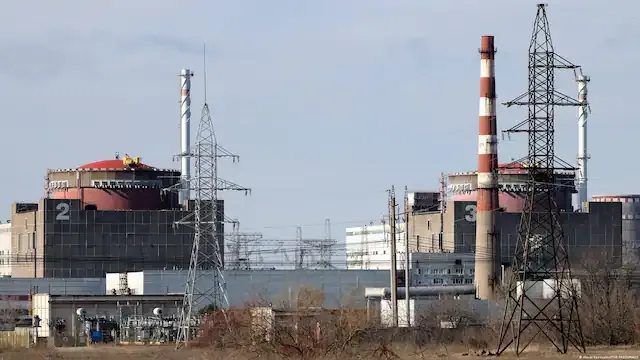
A strike on June 10 cut off external power to Ukraine's Russian-occupied Zaporizhzhia nuclear plant, Europe's largest, forcing reliance on emergency generators. The International Atomic Energy Agency (IAEA) reported no radiation increase and noted this was the 19th power loss since the 2022 war began. German Chancellor Friedrich Merz reaffirmed Germany's continued support for Ukraine's defense amid ongoing conflict, emphasizing the pursuit of a negotiated peace involving Ukraine, Russia, the US, and Europe.
First-hand measurement across 2 sources
We measured how 2 outlets covered this story. Coverage leans balanced overall (Left 15%, Centre 80%, Right 5%). Overall sentiment is neutral (35/100). Lens Score 32/100 — low public interest.
Outlets analysed (first-hand measurement by TBN's Bias Engine):
- english— balanced framing, neutral sentiment
- thehindu— balanced framing, negative sentiment
AI Analysis
The articles present perspectives from both international institutions and political leaders. The IAEA provides a technical, neutral update on the nuclear plant's status, while German Chancellor Merz's statements reflect Western support for Ukraine and emphasize diplomatic efforts. Coverage includes Ukrainian and Russian actions without assigning blame, maintaining a balanced presentation of the conflict's complexities.
The overall tone is cautious and factual, focusing on the technical implications of the power cut and the ongoing conflict. While the IAEA's report reassures no radiation increase, the repeated power losses highlight risks. Chancellor Merz's commitment adds a supportive but measured sentiment, resulting in a mixed but primarily neutral coverage emphasizing concern and continued diplomatic engagement.