Japan Creates First Centralized Intelligence Agency with Western Support Amid Security Concerns
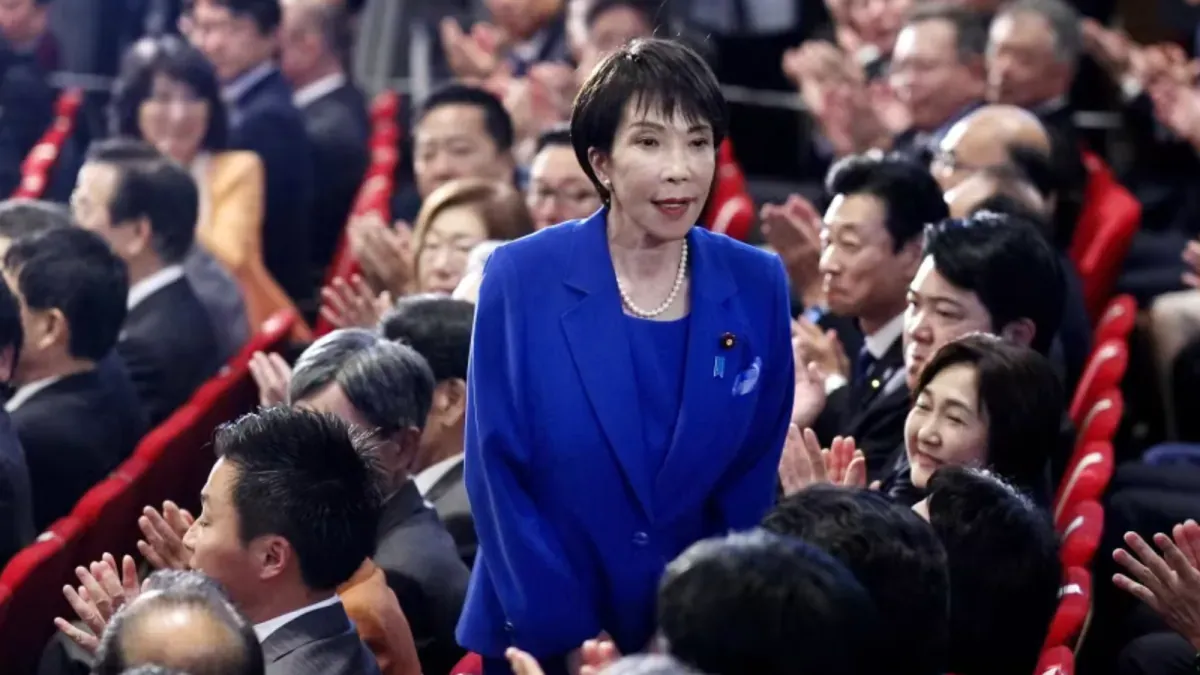
Japan is establishing its first centralized intelligence agency since World War II to enhance national security amid rising threats from China, Russia, and North Korea. Led by Prime Minister Sanae Takaichi, the initiative aims to improve coordination across government departments, counter espionage, cyberattacks, and foreign influence. Japan has consulted Western allies including the United States, Australia, and Germany for expertise on technology, staffing, and intelligence-sharing to support the agency's development.
First-hand measurement across 3 sources
We measured how 3 outlets covered this story. Coverage leans balanced overall (Left 3%, Centre 94%, Right 3%). Overall sentiment is neutral (63/100). Lens Score 37/100 — moderate-to-low public interest.
Outlets analysed (first-hand measurement by TBN's Bias Engine):
- firstpost— balanced framing, neutral sentiment
- news18— balanced framing, neutral sentiment
- thetribune— balanced framing, neutral sentiment
AI Analysis
The articles present a primarily neutral perspective focused on Japan's national security reforms. They highlight the government's initiative under Prime Minister Takaichi and the involvement of Western allies without partisan framing. The coverage emphasizes strategic concerns related to regional threats, reflecting official and expert viewpoints without political critique or opposition perspectives.
The tone across the articles is factual and measured, emphasizing the strategic rationale behind Japan's intelligence agency formation. While acknowledging security challenges from neighboring countries, the coverage remains neutral, avoiding alarmist or overly positive language. The sentiment reflects cautious recognition of the initiative's significance without emotional or sensational elements.
How 3 sources covered this story
Each source's own headline, political lean, and sentiment — so you can see framing differences at a glance.