India's Social Security Coverage Expands to Over 64 Percent, Labour Reforms Highlighted
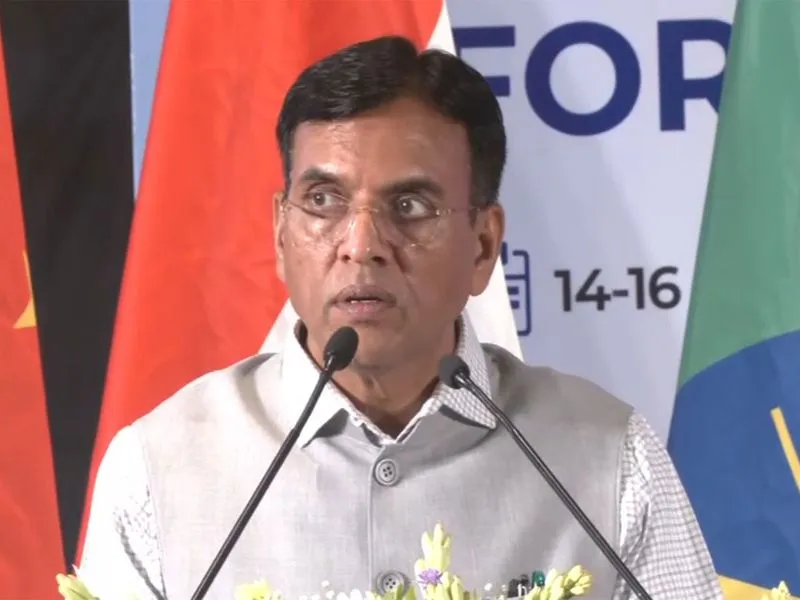
India's social security coverage has expanded significantly from around 19 percent in 2014-2015 to over 64 percent in 2025, covering approximately 940 million people. Union Labour Minister Mansukh Mandaviya highlighted reforms including the replacement of 29 labor laws with four labor codes, digital initiatives like the e-SHRAM portal, and recognition of gig workers. He emphasized improved worker protections, enhanced service delivery through ESIC and EPFO reforms, and the role of trade unions in promoting industrial harmony and social justice.
First-hand measurement across 2 sources
We measured how 2 outlets covered this story. Coverage leans balanced overall (Left 10%, Centre 55%, Right 35%). Overall sentiment is positive (75/100). Lens Score 35/100 — moderate-to-low public interest.
Outlets analysed (first-hand measurement by TBN's Bias Engine):
- economictimes— right-leaning framing, positive sentiment
- thetribune— balanced framing, positive sentiment
AI Analysis
The articles primarily reflect the government's perspective, emphasizing achievements in social security expansion and labor reforms under Union Labour Minister Mansukh Mandaviya. They cite official data and reports such as from the ILO, focusing on policy successes and digital initiatives. Opposition or critical viewpoints are absent, resulting in coverage centered on government narratives and labor sector improvements.
The tone across the articles is generally positive, highlighting progress in social security coverage, labor law simplification, and digital reforms. The coverage underscores benefits to workers and industrial harmony, with optimistic language about future productivity gains through AI. There is little critical or negative sentiment, reflecting a focus on government achievements and ongoing development.