UK Plans Social Media Ban for Under-16s Amid Global Concerns on Youth Safety
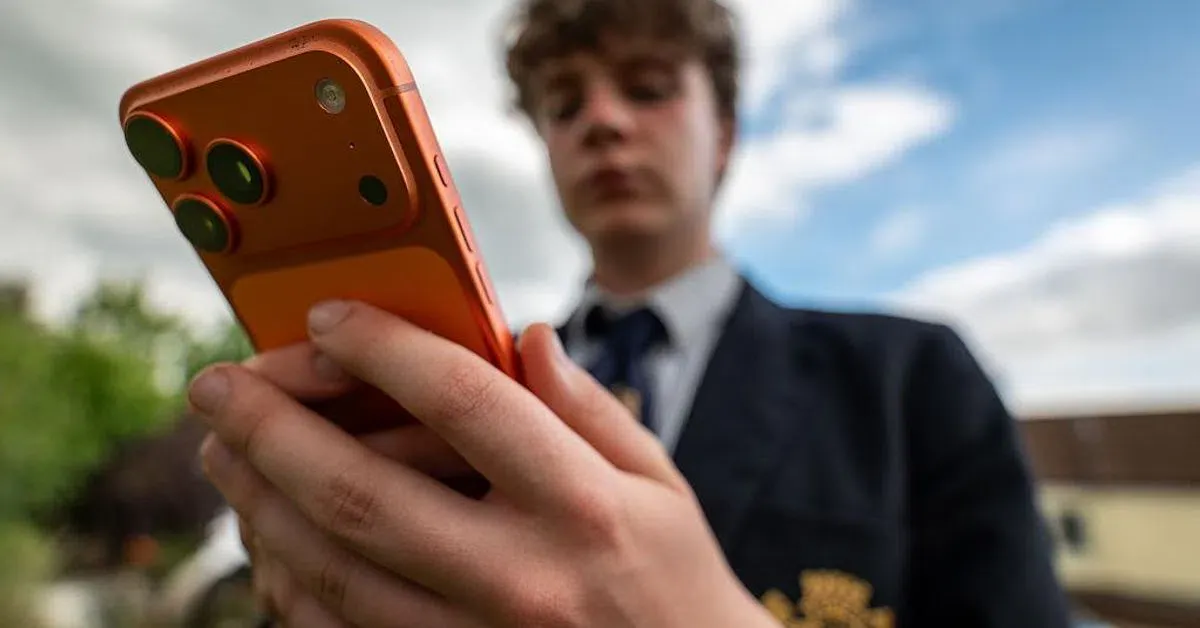
The UK plans to ban social media use for children under 16, aiming to protect youth well-being and restore childhood, following similar moves by countries like Australia and India. While public support exists, critics highlight enforcement challenges and potential unintended consequences, such as migration to less regulated platforms. Experts argue the core issue lies in social media's addictive design and business models, suggesting regulation should focus on platform accountability rather than outright bans. Reactions among stakeholders remain mixed.
First-hand measurement across 3 sources
We measured how 3 outlets covered this story. Coverage leans balanced overall (Left 25%, Centre 71%, Right 4%). Overall sentiment is neutral (54/100). Lens Score 26/100 — low public interest.
Outlets analysed (first-hand measurement by TBN's Bias Engine):
- economictimes— balanced framing, neutral sentiment
- businessstandard— balanced framing, neutral sentiment
- theprint— balanced framing, neutral sentiment
AI Analysis
The article group presents multiple perspectives, including government initiatives to restrict youth social media use and critiques emphasizing regulatory challenges and platform design flaws. Sources reflect a range of views from policymakers advocating protection measures to experts and public figures cautioning against simplistic bans. The coverage balances national security and public health concerns with civil liberties and practical enforcement issues.
The overall tone is mixed, combining cautious optimism about protecting children with skepticism regarding the effectiveness and consequences of bans. While some articles highlight benefits of restrictions, others focus on potential drawbacks and the complexity of social media's impact. The sentiment reflects a nuanced debate rather than a uniformly positive or negative stance.