Denmark Considers Nationwide Ban on Islamic Call to Prayer Amid Integration Concerns
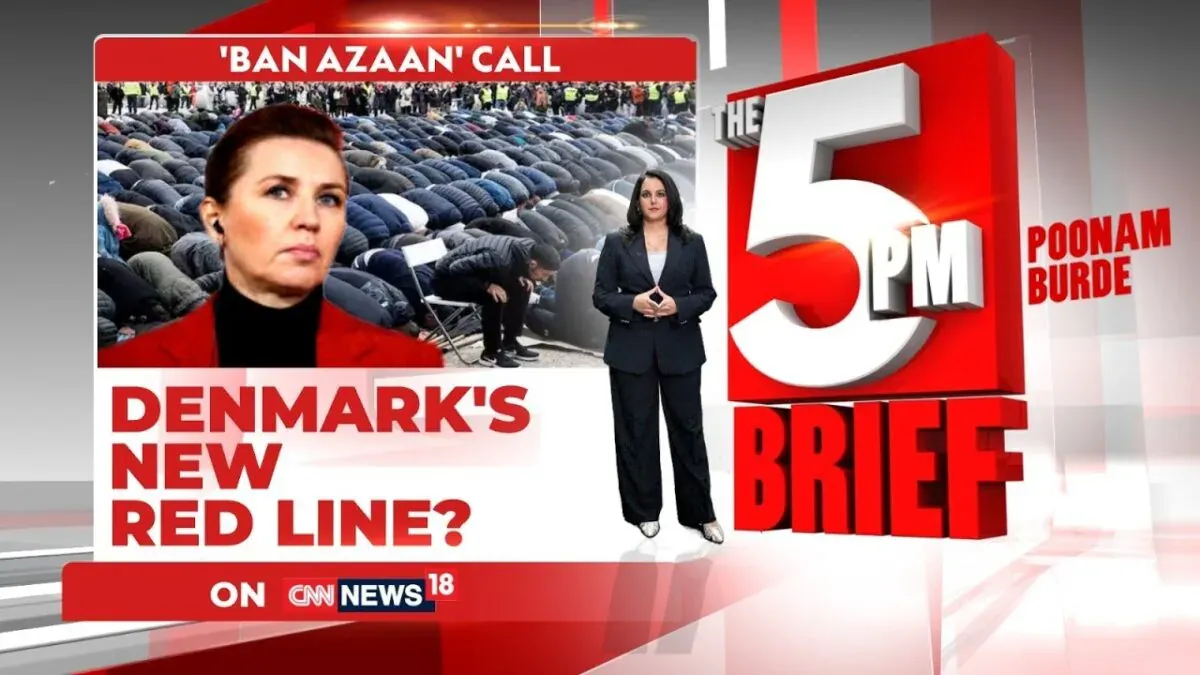
Denmark is considering a nationwide ban on the Islamic call to prayer (Adhan or Azaan) broadcast via loudspeakers, citing concerns over integration and what officials describe as creeping "Islamisation." Immigration Minister Morten Bødskov stated the call to prayer should not be heard over Danish rooftops, arguing it has no place in Denmark. While some local noise regulations already restrict outdoor calls, the government seeks a uniform legal framework. The proposal has sparked debate over religious freedom, cultural identity, and immigration policies amid Denmark's tightening stance on visible Islamic practices.
First-hand measurement across 10 sources
We measured how 10 outlets covered this story. Coverage leans balanced overall (Left 22%, Centre 69%, Right 9%). Overall sentiment is neutral (39/100). Lens Score 34/100 — low public interest.
Outlets analysed (first-hand measurement by TBN's Bias Engine):
- republicworld— balanced framing, neutral sentiment
- theprint— balanced framing, neutral sentiment
- ndtv— balanced framing, negative sentiment
- indiatvnews— balanced framing, neutral sentiment
- news18— balanced framing, neutral sentiment
- news18— balanced framing, neutral sentiment
- indiatoday— left-leaning framing, negative sentiment
- firstpost— balanced framing, neutral sentiment
AI Analysis
The article group presents perspectives primarily from Danish government officials emphasizing integration and cultural concerns, particularly from the Social Democrat-led administration. It includes references to opposition parties and minority communities indirectly through reported debates. The framing centers on immigration policy and national identity without overt partisan language, reflecting a focus on official statements and policy context rather than advocacy or criticism.
The overall tone across the articles is neutral to cautious, focusing on the factual announcement of the proposed ban and its rationale. While some language reflects government concerns about "Islamisation," the coverage also notes debates around religious freedom and minority rights, resulting in a balanced presentation without strong positive or negative sentiment.