Denmark Considers Nationwide Ban on Public Islamic Call to Prayer
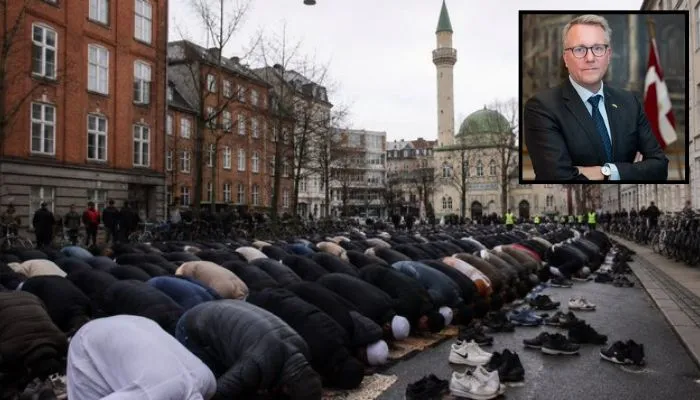
Denmark's Immigration Minister Morten Bødskov, from the centre-left Social Democrats, has announced plans to reconsider a nationwide ban on the public broadcast of the Islamic call to prayer (Azaan), citing concerns over its place in Danish public life and describing some areas as resembling a "suburb of Islamabad." This marks the third attempt to legally restrict the practice, with some local noise regulations already limiting loudspeaker use. The proposal has sparked debate on religious freedom, integration, and immigration amid Denmark's strict policies under Prime Minister Mette Frederiksen.
First-hand measurement across 2 sources
We measured how 2 outlets covered this story. Coverage leans balanced overall (Left 40%, Centre 55%, Right 5%). Overall sentiment is neutral (35/100). Lens Score 34/100 — low public interest.
Outlets analysed (first-hand measurement by TBN's Bias Engine):
- opindia— balanced framing, neutral sentiment
- indianexpress— left-leaning framing, negative sentiment
AI Analysis
The articles reflect perspectives aligned with Denmark's centre-left government, particularly emphasizing immigration and integration concerns. They present the minister's viewpoint on cultural integration and public space usage, while also noting the ongoing debate about religious freedom. The coverage includes government policy context without overt partisan framing, representing both policy intentions and societal reactions.
The tone across the articles is largely neutral to critical, focusing on the government's policy proposal and its implications. While the minister's statements express concern over cultural integration, the coverage also highlights the contentious nature of the ban and its impact on religious practices, resulting in a mixed sentiment that balances policy rationale with potential social tensions.