Iran Uses Quranic Verses to Convey Diplomatic Messages at Khamenei's Funeral
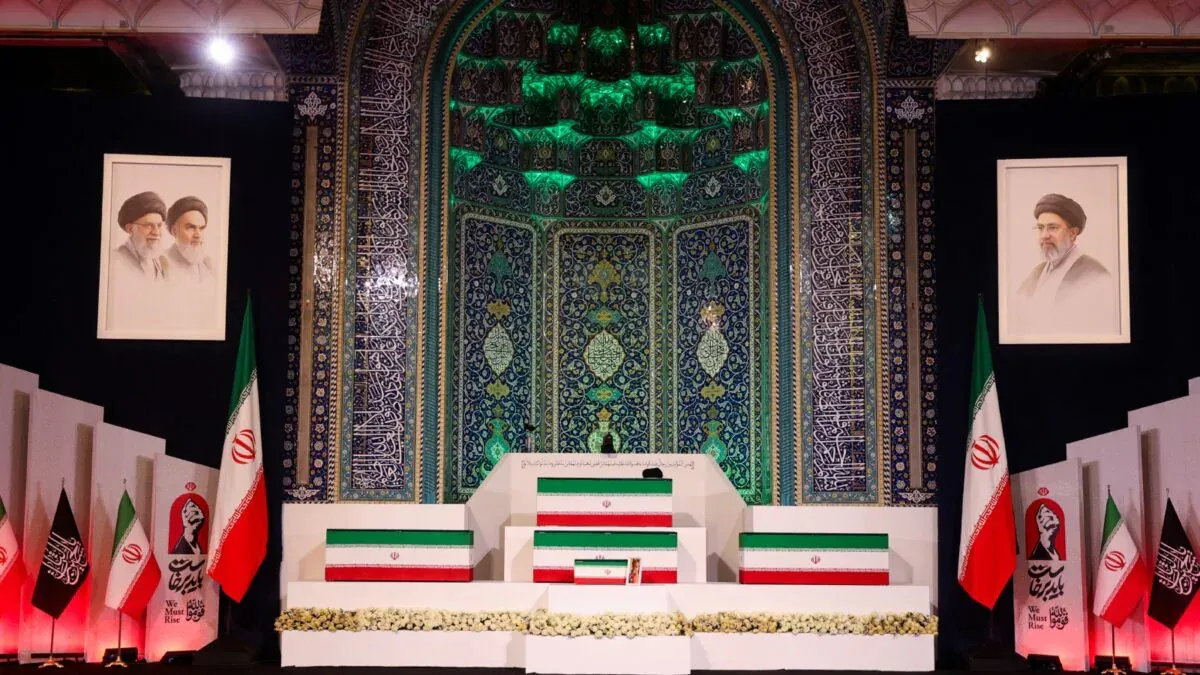
At Ayatollah Ali Khamenei's funeral in Tehran, Iranian authorities paired each foreign delegation with specific Quranic verses that appeared to convey diplomatic messages reflecting Iran's view of their relationships. Delegations from countries including Saudi Arabia, Turkey, Pakistan, India, and Russia received verses highlighting alliances, conflicts, or aspirations. Notably, the Saudi delegation was associated with a verse referencing the Battle of Badr, symbolizing a contested narrative. These recitals underscored Iran's framing of its international ties amid ongoing geopolitical tensions.
First-hand measurement across 2 sources
We measured how 2 outlets covered this story. Coverage leans balanced overall (Left 10%, Centre 80%, Right 10%). Overall sentiment is neutral (50/100). Lens Score 38/100 — moderate-to-low public interest.
Outlets analysed (first-hand measurement by TBN's Bias Engine):
- wion— balanced framing, neutral sentiment
- news18— balanced framing, neutral sentiment
AI Analysis
The articles present perspectives emphasizing Iran's use of religious symbolism to communicate its stance toward various countries, reflecting geopolitical alignments and conflicts. Coverage includes viewpoints on Iran's framing of allies and adversaries through Quranic verses, highlighting tensions with Saudi Arabia and the US. Both sources focus on Iran's diplomatic signaling without endorsing any side, maintaining a descriptive approach to the event.
The overall tone across the articles is neutral to analytical, focusing on the symbolic and diplomatic aspects of the Quranic recitals without emotive language. While the verses for Saudi Arabia are noted as controversial, the coverage refrains from judgment, instead explaining the significance and implications of the chosen verses. The sentiment reflects a balanced reporting style that informs readers about the event's nuances.