Kerala Leaders Disagree Over Amendments to Waqf Act and Its Implementation
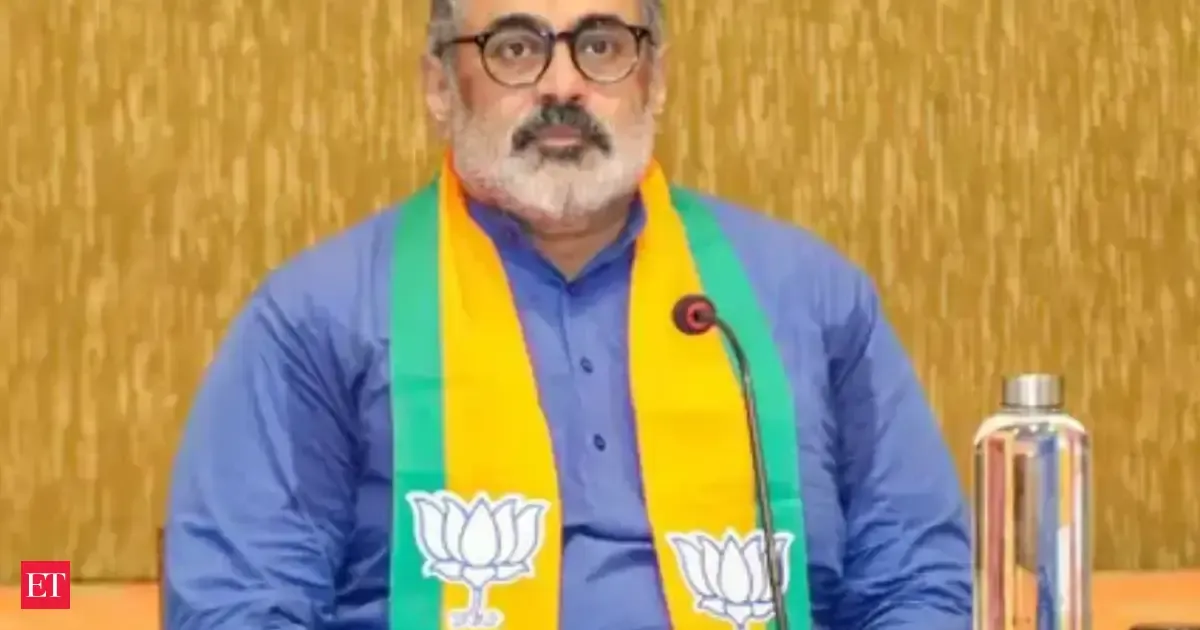
Kerala BJP president Rajeev Chandrasekhar accused the CPI(M) and IUML of spreading misinformation and communalizing the amended Waqf Act, emphasizing it concerns the rule of law and mandates inclusion of two non-Muslim members in State Waqf Boards. In contrast, CPI(M) leader P. Rajeeve criticized the UDF government for supporting the Act, arguing only Muslims should be Waqf Board members and questioning the government's stance and internal coordination. Both sides highlight legal and political disagreements over the Act's implementation in Kerala.
First-hand measurement across 2 sources
We measured how 2 outlets covered this story. Coverage leans left-leaning overall (Left 50%, Centre 32%, Right 18%). Overall sentiment is neutral (40/100). Lens Score 45/100 — moderate-to-low public interest.
Outlets analysed (first-hand measurement by TBN's Bias Engine):
- economictimes— balanced framing, neutral sentiment
- thehindu— left-leaning framing, neutral sentiment
AI Analysis
The articles represent contrasting political perspectives: the BJP accuses left and Muslim League parties of politicizing the Waqf Act to create communal fear, while CPI(M) leaders criticize the UDF government’s support for the Act and advocate for exclusive Muslim representation on Waqf Boards. Coverage reflects typical party positions, with BJP emphasizing rule of law and opposition parties focusing on religious and constitutional concerns.
The overall tone is mixed, with BJP statements expressing concern over misinformation and political motives, while CPI(M) voices convey criticism and skepticism about government actions and legal interpretations. Neither side uses overtly emotional language, maintaining a formal and critical discourse centered on legal and political disagreements.
How 2 sources covered this story
Each source's own headline, political lean, and sentiment — so you can see framing differences at a glance.