Pawan Kalyan Plans Telangana Political Entry Amid Regional Tensions and Support from Naidu
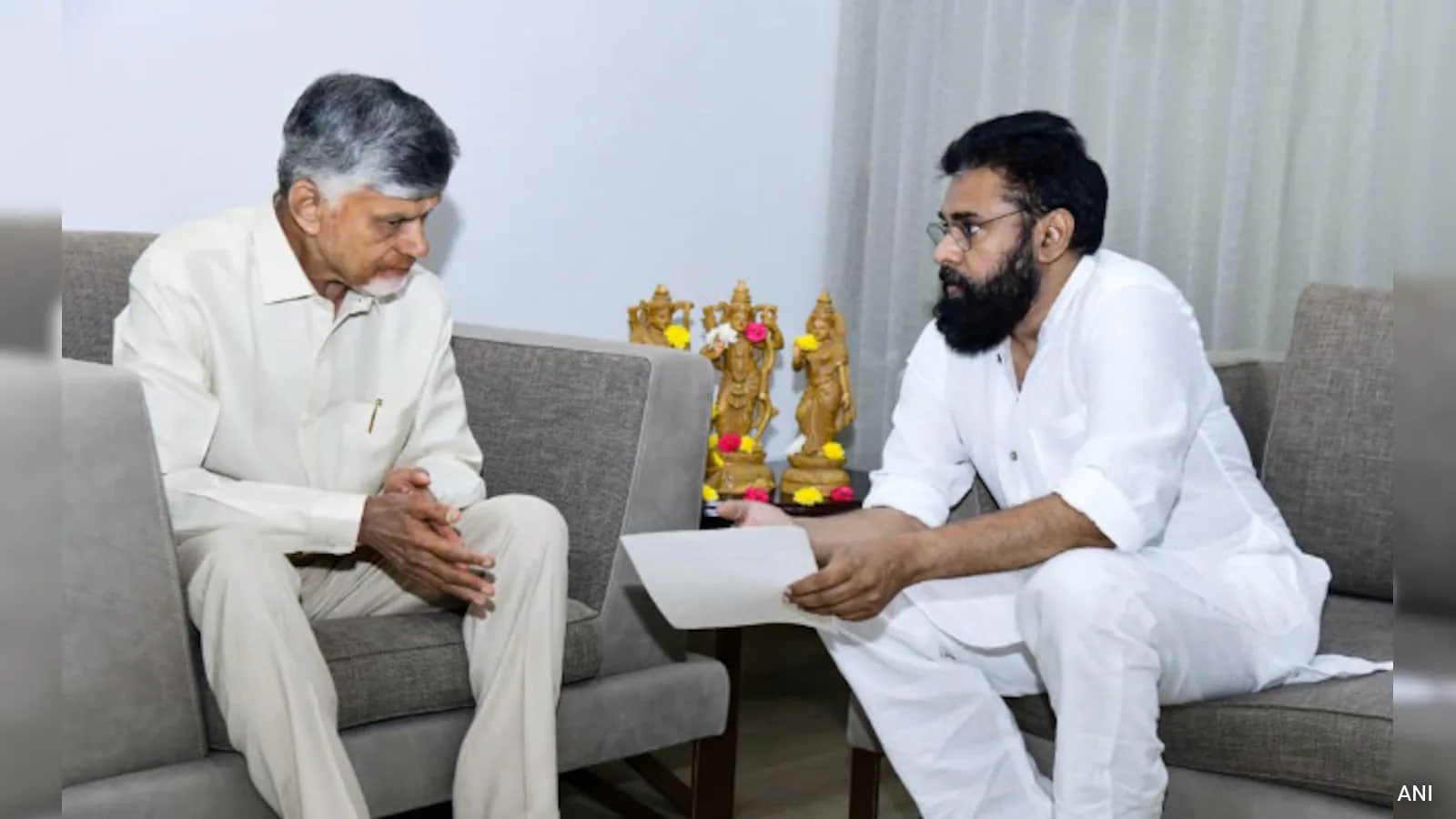
Andhra Pradesh Deputy Chief Minister Pawan Kalyan announced his Jana Sena Party's plans to contest Telangana's upcoming GHMC and Assembly elections, asserting the party's right to operate in the state. His remarks against regionalism and criticism of Telangana leaders sparked political tensions, with some opposing his entry and denying permission for his meetings citing law and order concerns. Andhra Pradesh Chief Minister Chandrababu Naidu supported Kalyan, urging focus on development and warning against reviving regional divisions over a decade after bifurcation.
First-hand measurement across 7 sources
We measured how 7 outlets covered this story. Coverage leans balanced overall (Left 22%, Centre 64%, Right 14%). Overall sentiment is neutral (52/100). Lens Score 39/100 — moderate-to-low public interest.
Outlets analysed (first-hand measurement by TBN's Bias Engine):
- indianexpress— balanced framing, neutral sentiment
- ndtv— balanced framing, neutral sentiment
- indiatoday— balanced framing, neutral sentiment
- thenewsminute— balanced framing, neutral sentiment
- english— balanced framing, neutral sentiment
- ndtv— balanced framing, neutral sentiment
- thehindu— balanced framing, neutral sentiment
AI Analysis
The article group presents perspectives from Andhra Pradesh leaders supporting Pawan Kalyan's political expansion into Telangana, emphasizing democratic rights and development-focused politics. Telangana leaders and activists express concerns over regional identity and law and order, reflecting apprehension about external political influence. Coverage includes viewpoints from ruling and opposition parties in both states, highlighting the ongoing sensitivity around Telangana's statehood and regional sentiments.
The overall tone across the articles is mixed, combining assertive political declarations with cautionary responses. Supportive voices frame Kalyan's move as a legitimate democratic exercise, while opposing reactions highlight tensions and potential risks to regional harmony. The coverage balances criticism and defense without overtly negative or positive language, reflecting the contentious but measured nature of the political discourse.