Manipur Violence Highlights Ethnic Conflict and Security Challenges in Northeast India
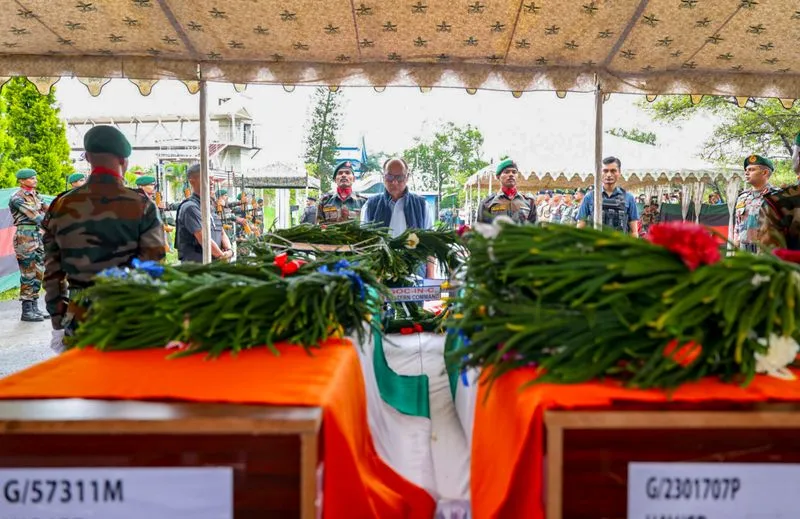
The July 6 ambush on an Assam Rifles convoy in Manipur's Ukhrul district, which killed two personnel, highlights escalating insurgent activity and complex local tensions. The NSCN-IM denies involvement in the attack but condemns the killing of six Liangmai Naga civilians, attributing it to Kuki militants and criticizing the Indian government's handling of ethnic violence. Both incidents underscore ongoing ethnic conflicts and security challenges in Manipur, with calls for policy reassessment and justice.
First-hand measurement across 2 sources
We measured how 2 outlets covered this story. Coverage leans balanced overall (Left 40%, Centre 52%, Right 8%). Overall sentiment is negative (28/100). Lens Score 37/100 — moderate-to-low public interest.
Outlets analysed (first-hand measurement by TBN's Bias Engine):
- easternmirror— left-leaning framing, negative sentiment
- thetribune— balanced framing, negative sentiment
AI Analysis
The articles present perspectives from both government-aligned security viewpoints and the NSCN-IM insurgent group. The first article emphasizes the tactical aspects of the ambush and regional security implications, reflecting official and local government concerns. The second article conveys the NSCN-IM's condemnation of civilian killings and criticism of the Indian government's policies, representing insurgent and ethnic community grievances. Together, they illustrate contrasting narratives around the conflict and governance in Manipur.
The overall tone across the articles is serious and critical, reflecting the gravity of violence and ethnic tensions in Manipur. The first article adopts a factual and analytical tone regarding the ambush, while the second expresses strong condemnation and frustration over civilian killings and government response. The sentiment is mixed, combining concern over security with calls for justice and policy change.